Water Quality in the Atherton Tablelands: Regenerating Catchments, Communities and the Great Barrier Reef
The Water Tower of the Reef
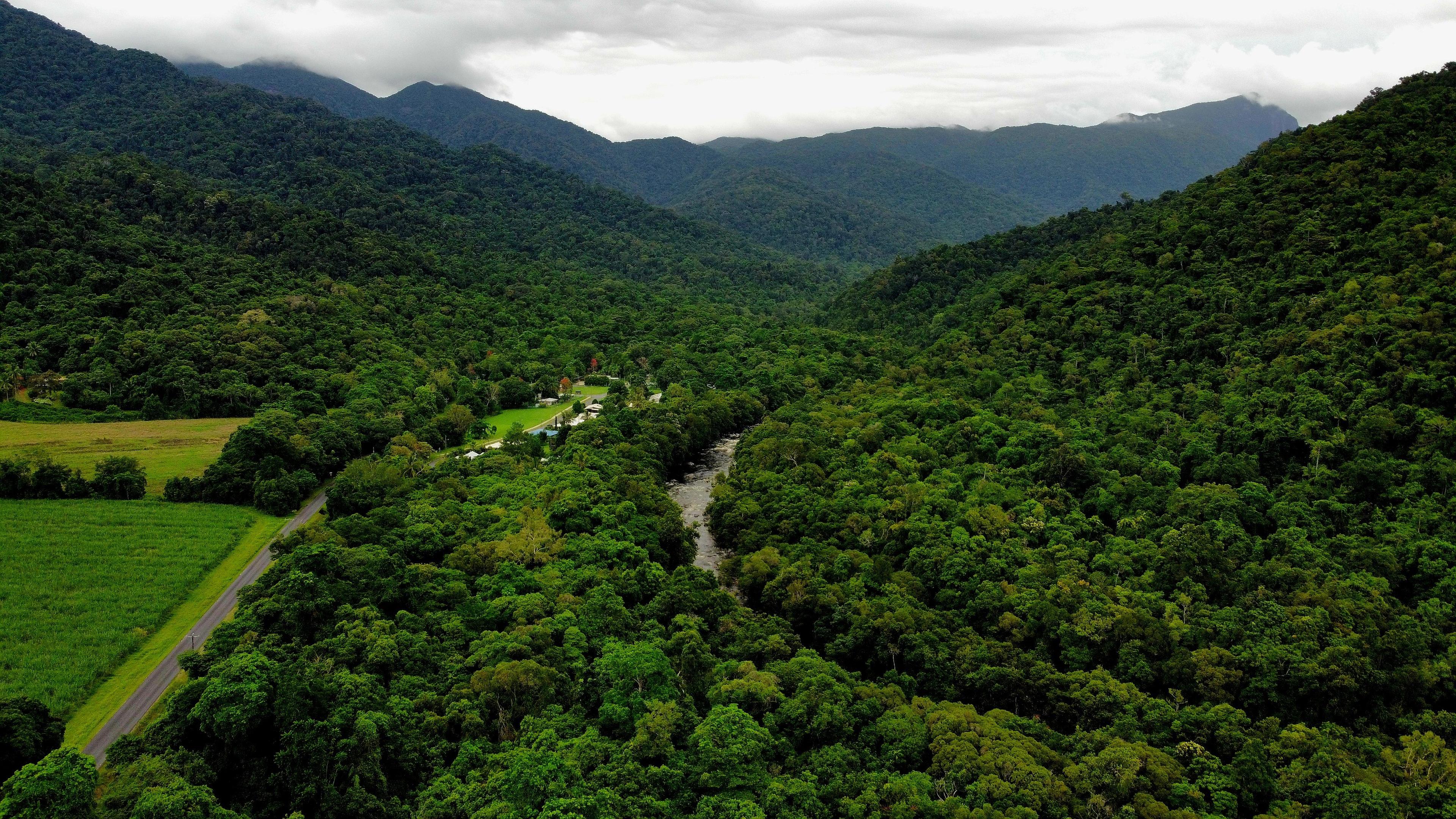
Rising above the coastal plain, the Atherton Tablelands region captures some of Australia's highest rainfall and feeds the Barron, Johnstone, Mulgrave-Russell and Herbert river systems, connecting rainforest, farms, wetlands and communities to the Great Barrier Reef.
This connection makes the Tablelands one of the most important landscapes for the future health of the Reef. While climate change remains the Reef's greatest long-term threat, water quality is one of the most significant pressures that can be influenced locally. Every decision made on farms, along waterways and across catchments contributes to the quality of water flowing downstream to coastal ecosystems.
Through the Atherton Tablelands Integrated Collaboration project, the Atherton Tablelands is showing how collaboration, science, local knowledge and regenerative thinking can support productive farms, thriving communities and healthier ecosystems from the paddock to the Reef.
A Small Region with Reef-Wide Influence
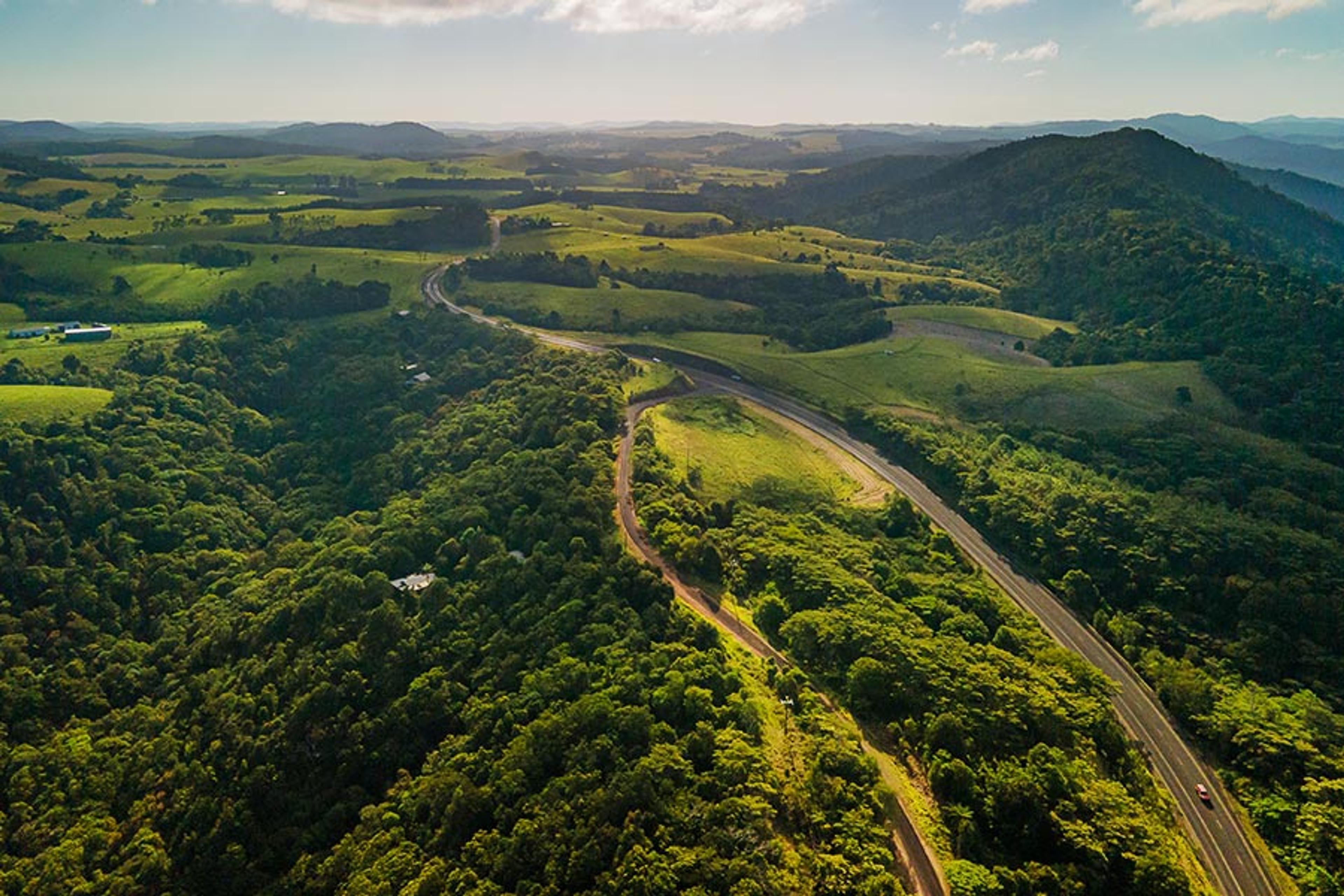
The Atherton Tablelands sit within the Wet Tropics region, an internationally significant landscape that encompasses World Heritage rainforests, productive agricultural land and coastal ecosystems. Although the Wet Tropics accounts for only around 5% of the Great Barrier Reef catchment area, it generates approximately 33% of the freshwater discharge entering the Reef lagoon.
This disproportionate influence means that improvements made in the Atherton Tablelands can deliver significant benefits beyond the region itself. Investments that reduce sediment, nutrient and pesticide runoff, improve soil health and strengthen landscape resilience have the potential to create measurable impacts across the Reef.
The Wet Tropics Waterways Report Card consistently highlights the importance of maintaining healthy waterways across the region. High rainfall, steep catchments and intensive land use mean that sediments and nutrients can move quickly through river systems during major rainfall events. These catchments also support some of Australia's most productive agricultural landscapes, creating both challenges and opportunities for water quality improvement.
Where Land Meets Sea
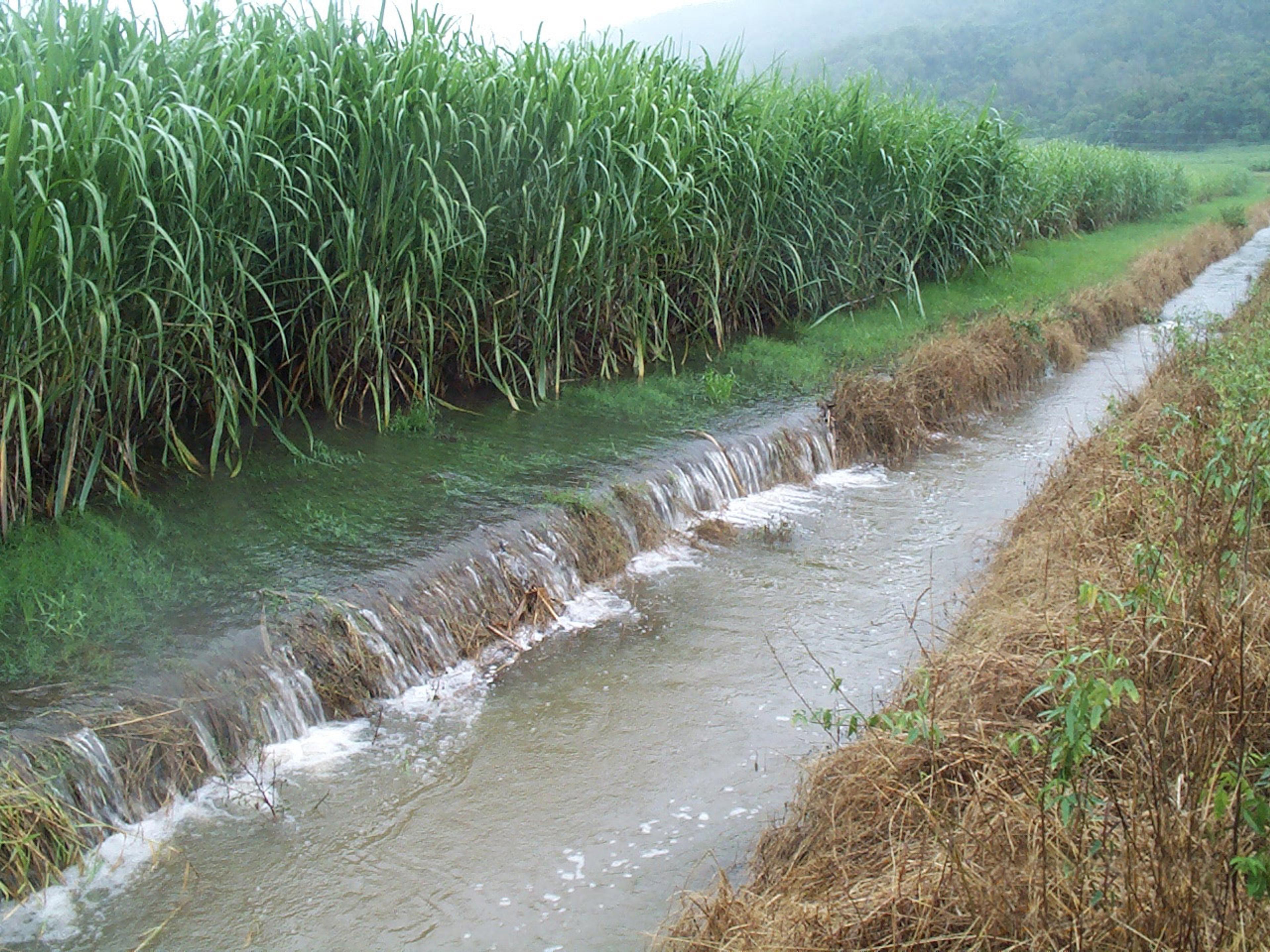
Water quality influences the health of the Reef in many ways. Excess sediment reduces water clarity, limiting the sunlight available for coral and seagrass growth. Elevated nutrient levels can contribute to algal blooms and outbreaks of crown-of-thorns starfish, while some pesticides can affect marine plants and reef organisms.
Water flowing from upland agricultural areas may travel hundreds of kilometres before reaching the Reef lagoon. Along this journey, every land management decision contributes to cumulative outcomes at the catchment scale.
This system's perspective aligns closely with Sustainable Table’s Blueprint for Impact, which emphasises viewing agricultural landscapes not as isolated production units but as interconnected ecological and social systems. Water quality, biodiversity, soil health and community resilience are deeply linked, and improvements in one area often generate benefits across the entire landscape.
Regeneration from the Ground Up
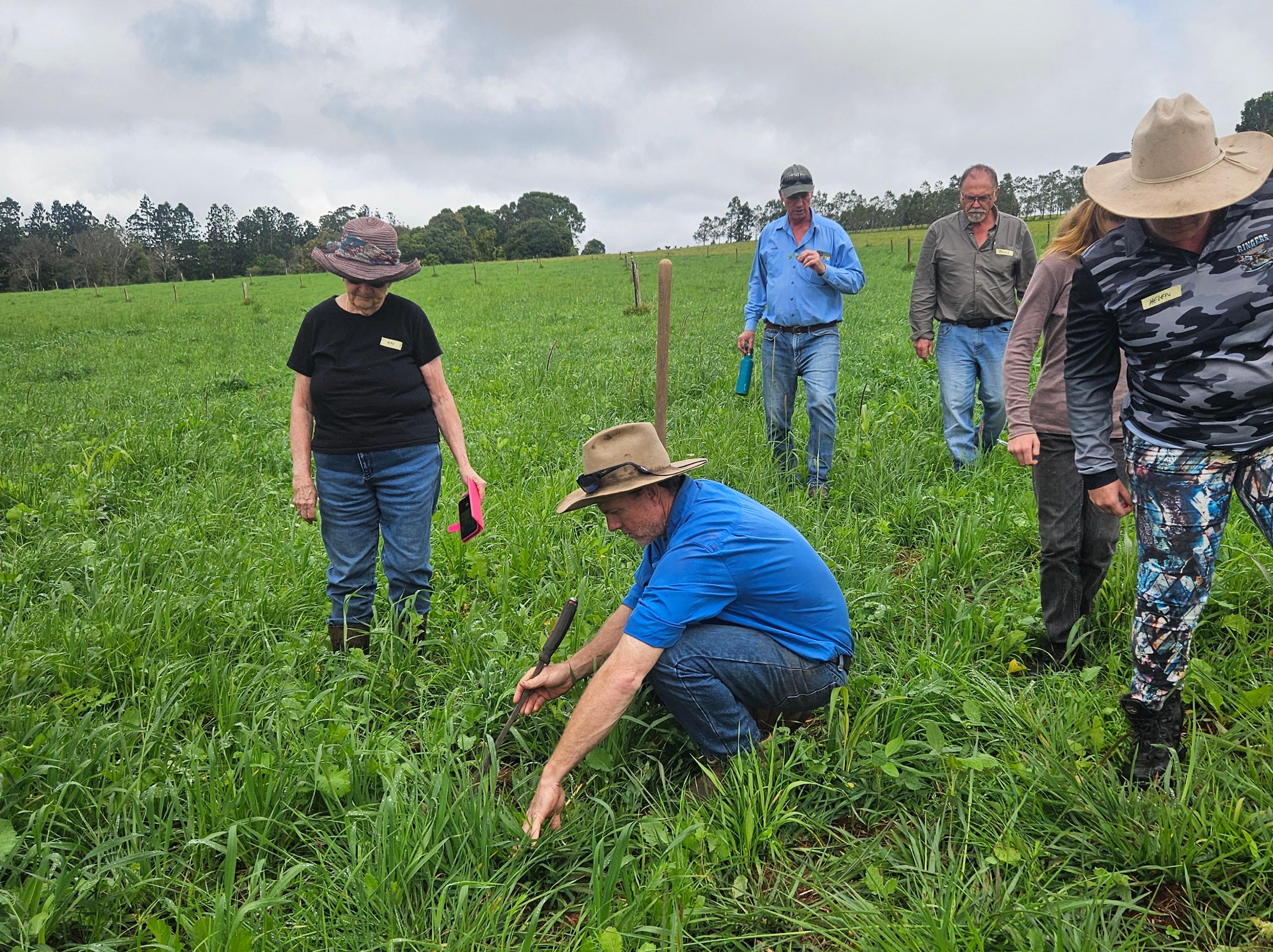
Regenerative agriculture offers the strongest pathway for improving water quality while maintaining productive and profitable farming systems. Practices commonly associated with regenerative farming include maintaining ground cover, increasing plant diversity, minimising soil disturbance, improving soil organic matter and enhancing water infiltration.
For water quality outcomes, healthy soils are particularly important. Soils with improved structure and organic matter can absorb and retain more rainfall, reducing surface runoff and the movement of sediments and nutrients into waterways. In this way, regenerative agriculture creates benefits that extend beyond farm boundaries to entire catchments and downstream ecosystems.
Successful transitions require long-term investment in knowledge, culture, farmer networks and supportive economic systems. Regenerative change is most effective when it is locally led, evidence-based and supported through collaboration.
The ATIC Approach
The Atherton Tablelands Integrated Collaboration (ATIC) project was established to accelerate this systems-based approach. Jointly funded through the Queensland Government’s Queensland Reef Water Quality Program and Sustainable Table, the initiative works across the Tablelands catchments to support farmers in transitioning towards regenerative land management practices that improve both environmental and production outcomes.
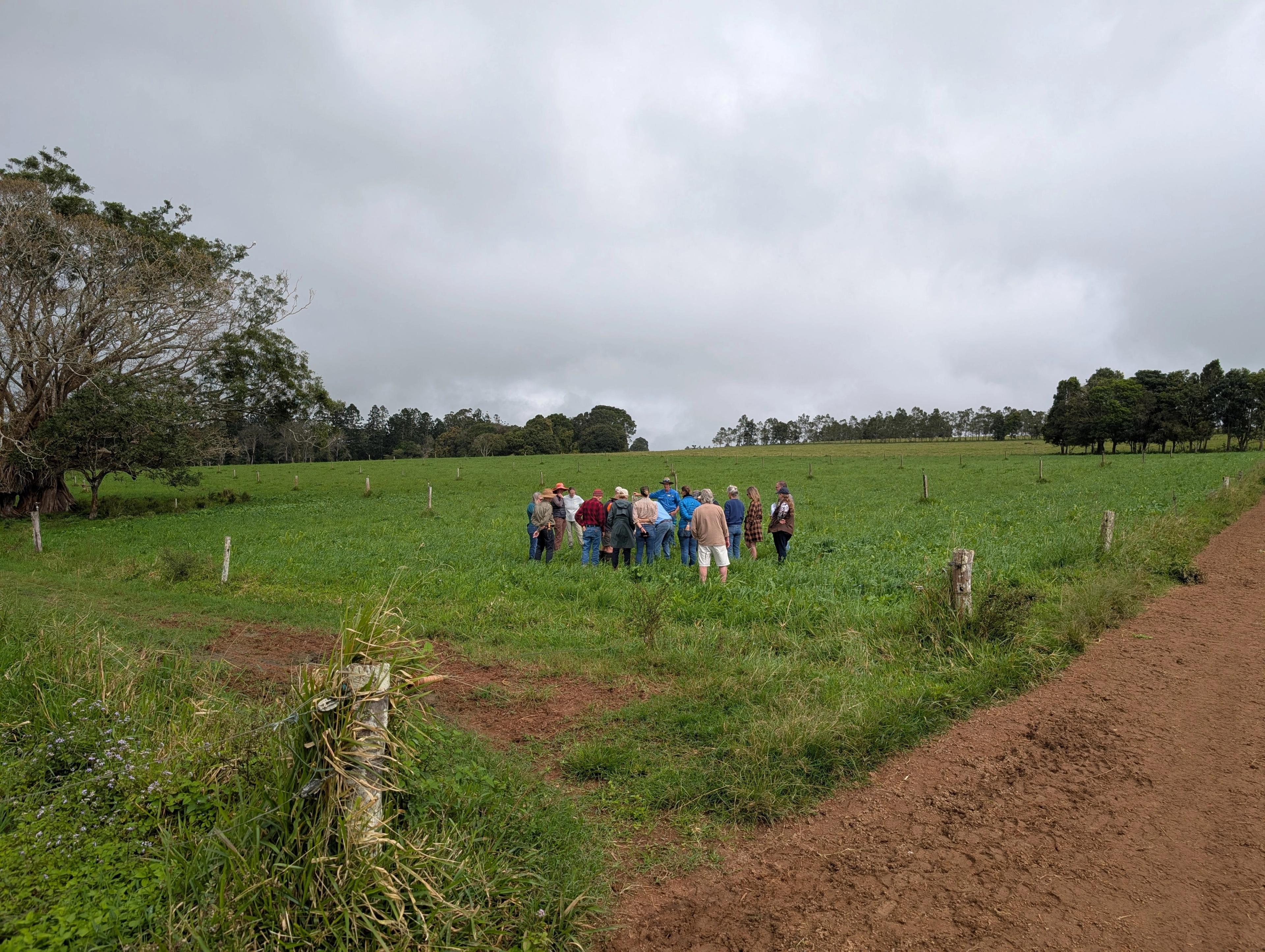
ATIC recognises that water quality improvement cannot be achieved through isolated interventions. Instead, it brings together farmers, industry groups, Traditional Owners, researchers, community organisations and government partners to co-design solutions that reflect local priorities and conditions.
This collaborative model reflects a growing understanding that healthier waterways, more resilient farms and stronger communities are not competing priorities, they are mutually reinforcing outcomes.
Looking Downstream
The health of the Reef begins far upstream in the soils, streams and communities of catchments such as the Atherton Tablelands.
By working together to strengthen these landscapes, the region has an opportunity to demonstrate how regenerative agriculture can support productive farms, thriving communities and healthier ecosystems for generations to come.
Improving water quality is not simply an environmental objective; it is an investment in the long-term resilience of farming communities, regional economies and one of the world's most extraordinary natural assets. Through initiatives such as ATIC, the Atherton Tablelands is showing how collaboration, science, local knowledge and regenerative thinking can come together to create meaningful change from the paddock to the Reef.
The $3 million Atherton Tablelands Integrated Collaboration (ATIC) is jointly funded through the Queensland Government’s Queensland Reef Water Quality Program and Sustainable Table.