Atherton Tablelands Integrated Collaboration Project (ATIC)
The Great Barrier Reef is one of Australia’s most valuable natural assets, contributing more than $9 billion annually to the economy. Yet declining water quality remains one of the most significant threats to its long-term health.
Across Reef catchments, farming practices directly influence the volume of sediment, nutrients and pesticides entering waterways. This puts farmers at the heart of one of the most powerful opportunities to protect the Reef, while also strengthening the resilience and profitability of their own businesses and communities.
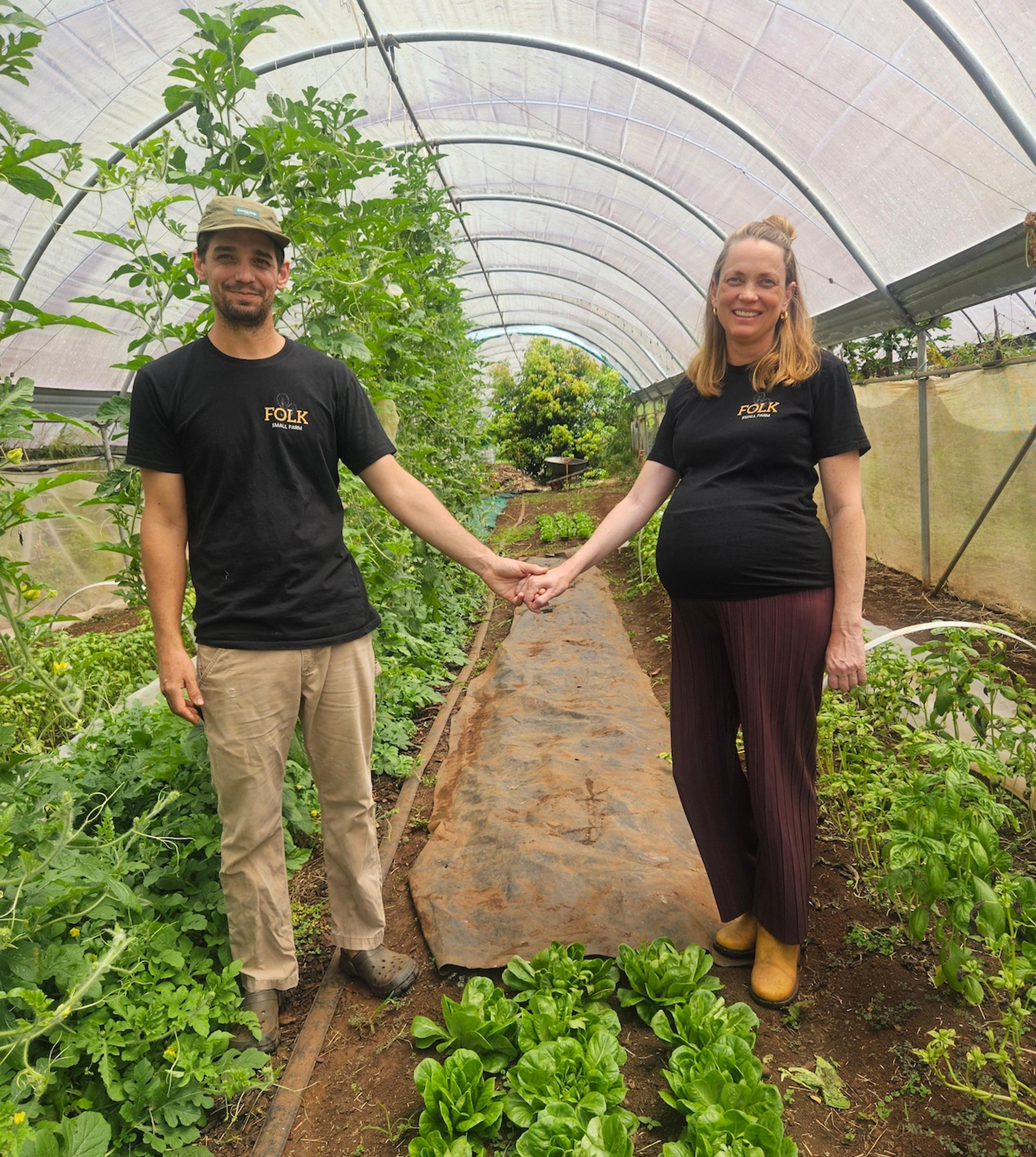
The $3 million Atherton Tablelands Integrated Collaboration (ATIC) project, jointly funded through the Queensland Government’s Queensland Reef Water Quality Program and Sustainable Table, is helping drive this transition. Working across the Tablelands’ catchments, ATIC empowers farmers to transition to regenerative land management practices that deliver practical, on-ground results.
By connecting practice change with stronger local supply chains and viable market pathways, ATIC links environmental outcomes with real economic opportunity, making regenerative agriculture a scalable solution for farmers and the Reef.
This proven model improves water quality at its source while building healthy soils, resilient farms, stronger regional economies, and healthier waterways that flow to the Reef.
Addressing Water Quality at the Source
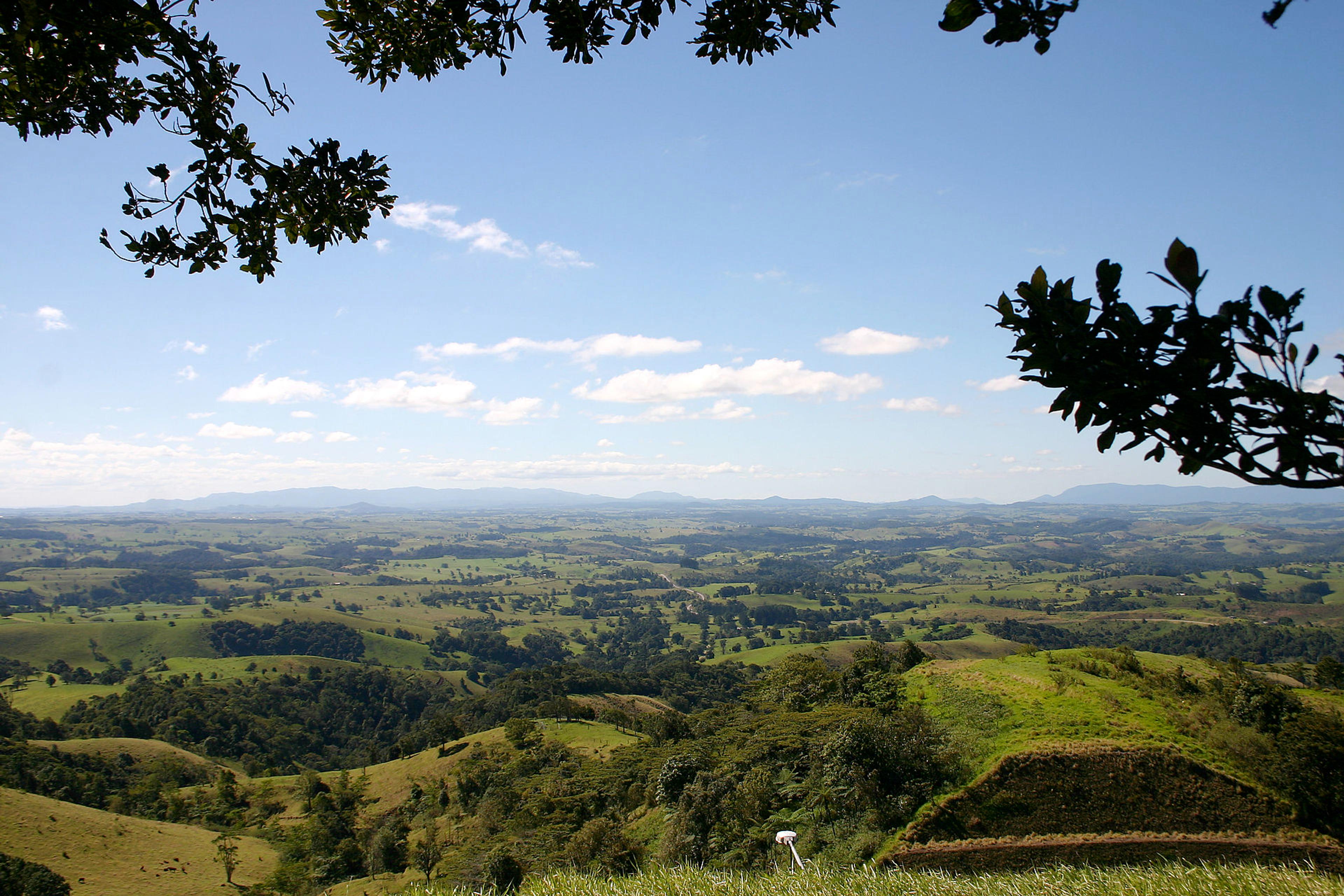
Runoff from agricultural land is the largest source of human-caused pollution entering the Reef. Sediment, nutrients and pesticides flow from upstream catchments into rivers and coastal waters, reducing water clarity, smothering corals, increasing crown-of-thorns starfish outbreaks, and weakening ecosystem resilience.
The health of the Reef is inseparable from the health of farming landscapes and the communities that rely on them. Improving water quality starts on-farm, making land management one of the most immediate and effective levers for change.
How Regenerative Agriculture And Local Food Systems Are Driving Change
Supporting the Reef begins with supporting farmers. Regenerative practices improve soil health, increase ground cover and enhance water infiltration - reducing runoff while building more productive, resilient farms.
But farmers cannot do this alone. ATIC takes a whole-of-system approach, combining on-ground practice change with efforts to strengthen supply chains and grow demand for locally produced food.
By aligning land stewardship with viable market opportunities, ATIC enables farmers to adopt regenerative practices with confidence, delivering benefits for their businesses, their communities, and the Reef.
Building Momentum for Scale
ATIC is already delivering measurable outcomes, demonstrating strong early momentum and a clear pathway to scale.
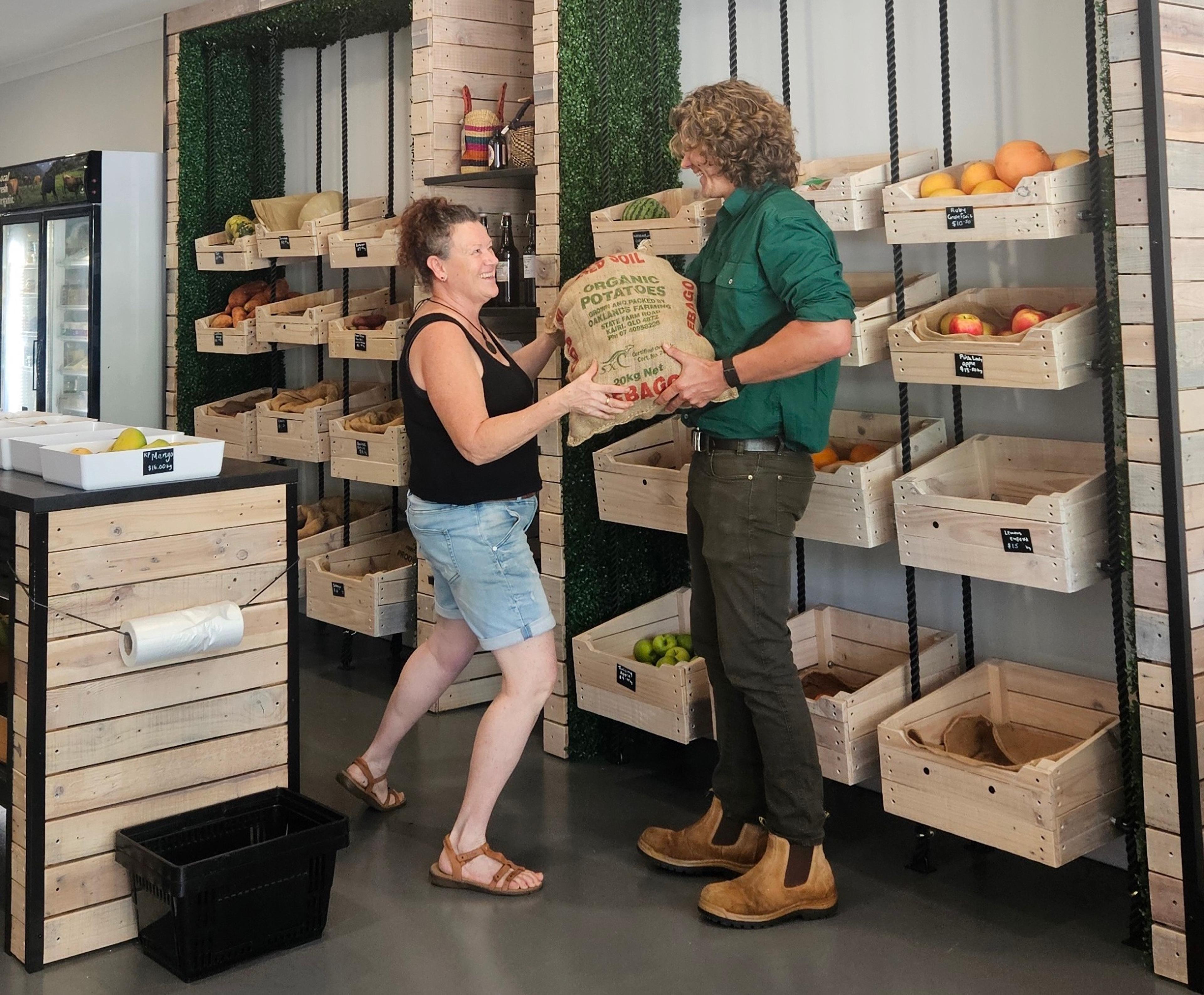
Farmers are actively transitioning to regenerative practices, with on-ground changes reducing sediment runoff into Reef catchments. The Collaborative Logistics Pilot is connecting farmers, distributors and buyers through more efficient local networks, cutting food miles and improving market access.
These results show what’s possible when farmers are supported to lead the transition. By aligning environmental, economic and community benefits, ATIC is building a clear and scalable pathway to protect the Reef while strengthening regional livelihoods.
Stories from the ATIC Project
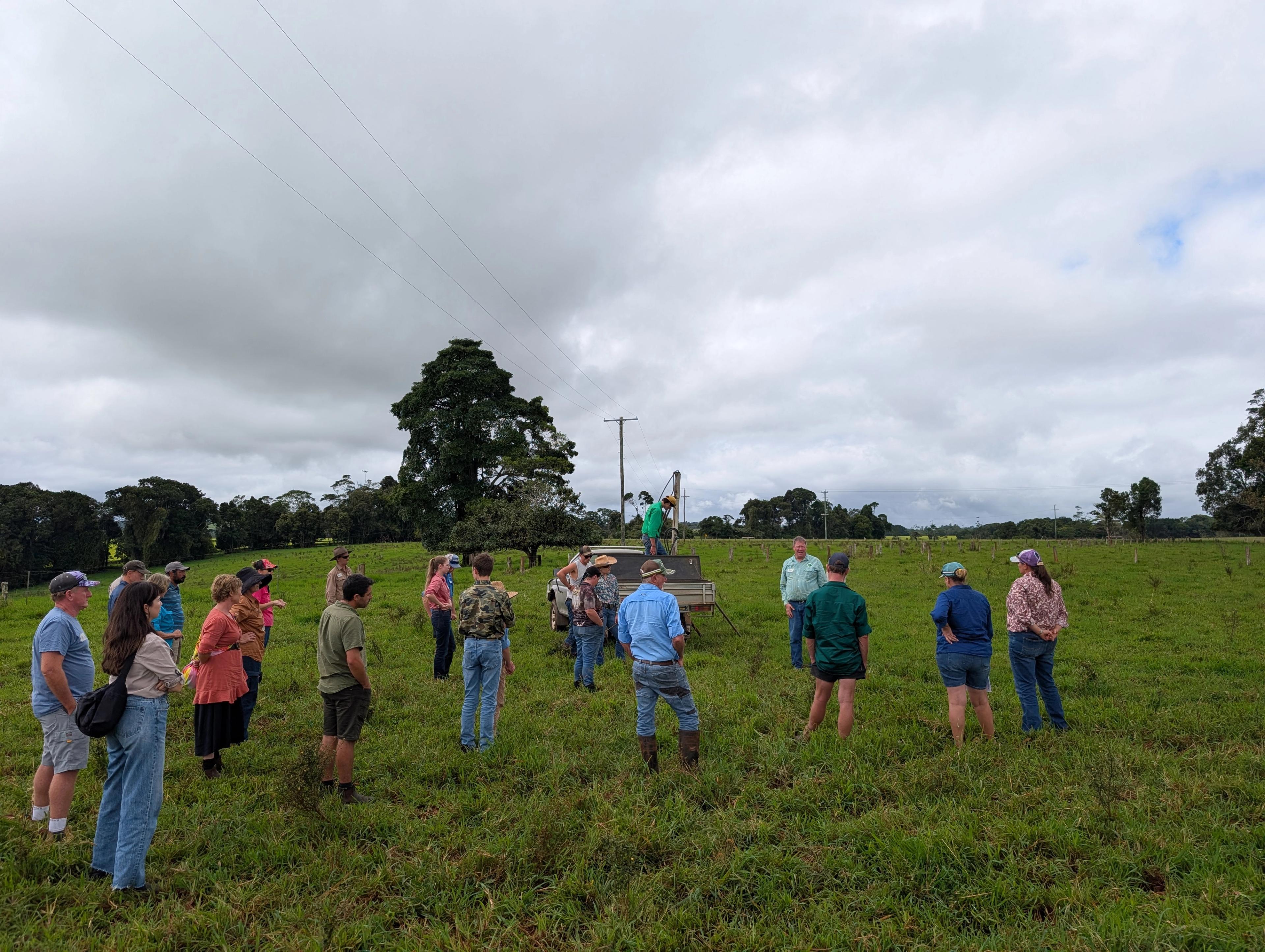
Insights, learnings and interviews from the Atherton Tablelands