Tight Margins, Real Impacts, Real Solutions: Fuel Costs Across the FNQ System
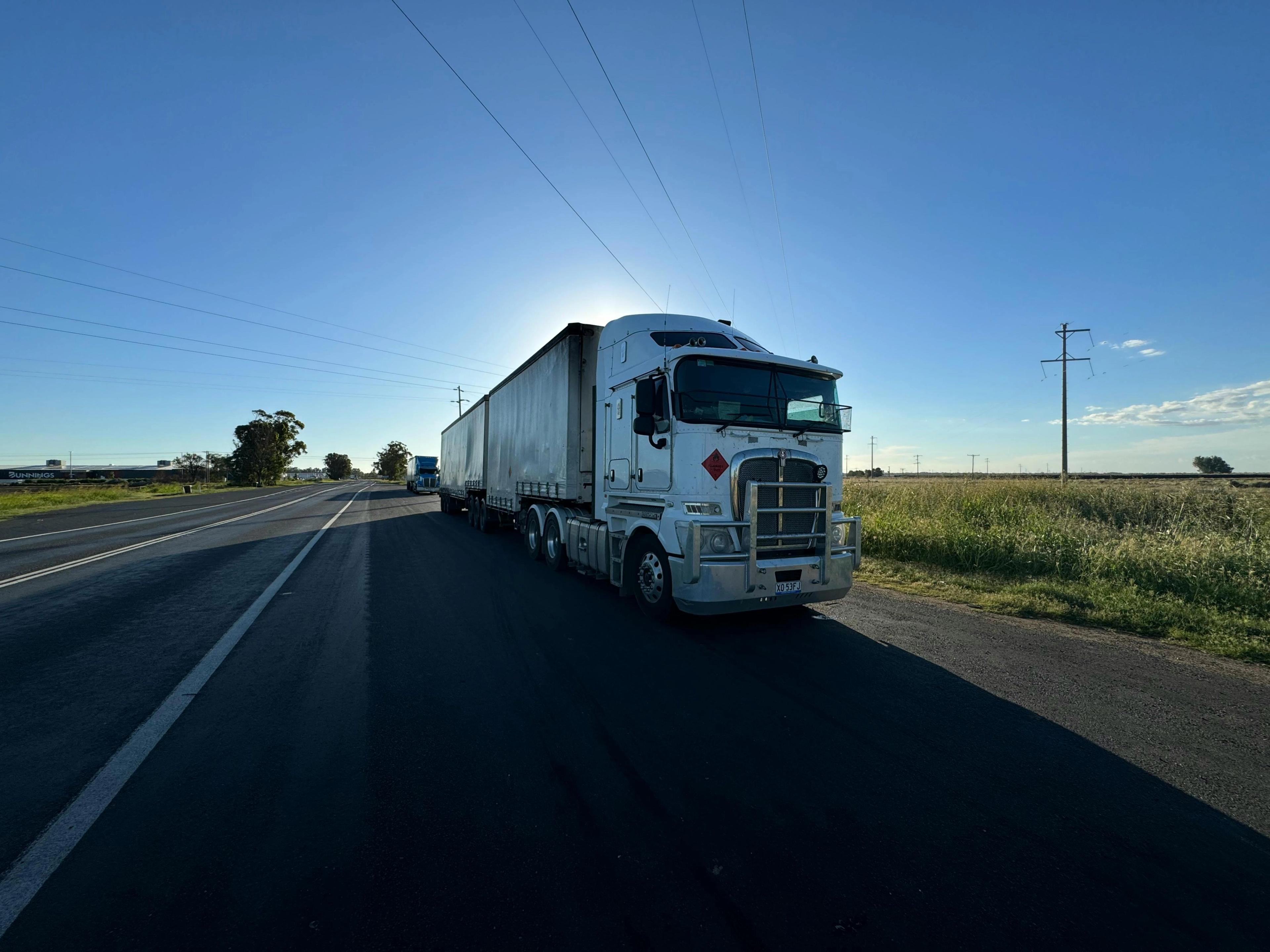
Across Far North Queensland, rising fuel costs are reshaping the local food system. In a region where communities are spread out, and distances are long, fuel plays a role in almost every part of how food is grown, moved and accessed. Farmers, retailers and households are all feeling the pinch, with many absorbing rising costs to keep food moving. At the same time, these pressures are reinforcing the importance of local food systems, where proximity can reduce reliance on costly transport and create new opportunities.
The Atherton Tablelands Integrated Collaboration (ATIC) project, a $3 million initiative jointly funded through the Queensland Government’s Queensland Reef Water Quality Program and Sustainable Table is supporting real solutions.
Pressure at the Farm Gate
Growers, retailers and households are adjusting across the region, often absorbing pressure rather than passing it on, but the cumulative effect is creating strain in an already fragile supply chain. For growers, fuel is now a central cost driver. For many, diesel is used across every stage of production – from tractors and irrigation pumps to packing and transport.
One local grower recently reported that filling a diesel tank of a small van has increased from $150 to around $400. In response, he has reduced his delivery runs from three per week to two, not because demand has disappeared, but because the margins no longer support the additional trip. These kinds of decisions are being made quietly across the region, and they have flow-on effects for freshness, availability, and consistency of supply.
The Impact of Rising Freight Costs
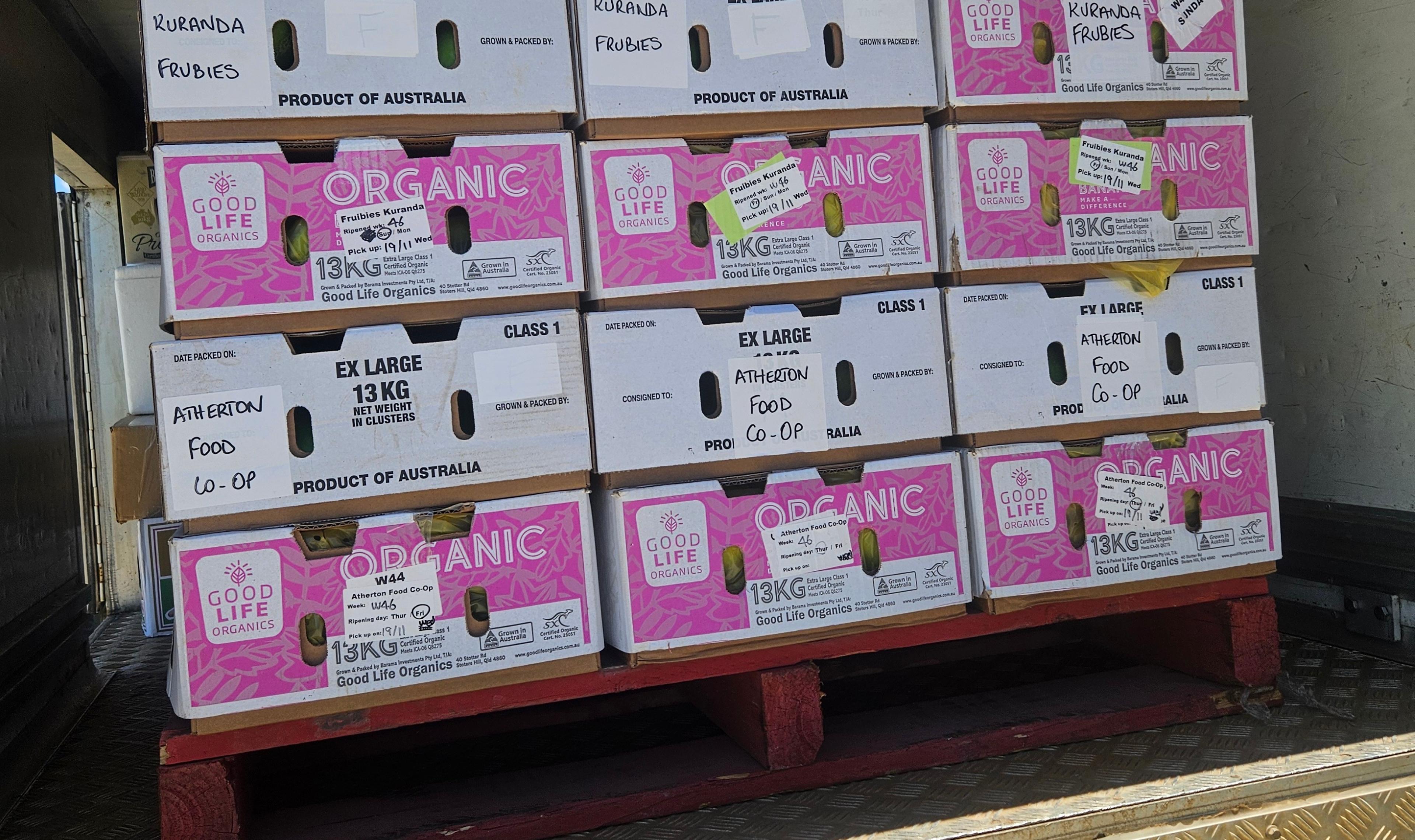
Freight costs are also rising sharply. A recent example from a Tablelands retailer shows a half-pallet delivery from Brisbane increasing from $350 to $480 in a single week. At the same time, wholesalers are introducing new surcharges, including an additional $0.50 per item or $20 per order, to cover fuel. These increases add complexity for small retailers, who are already managing tight margins and fluctuating demand. Some are embedded in produce and product prices, and some are added to invoice totals.
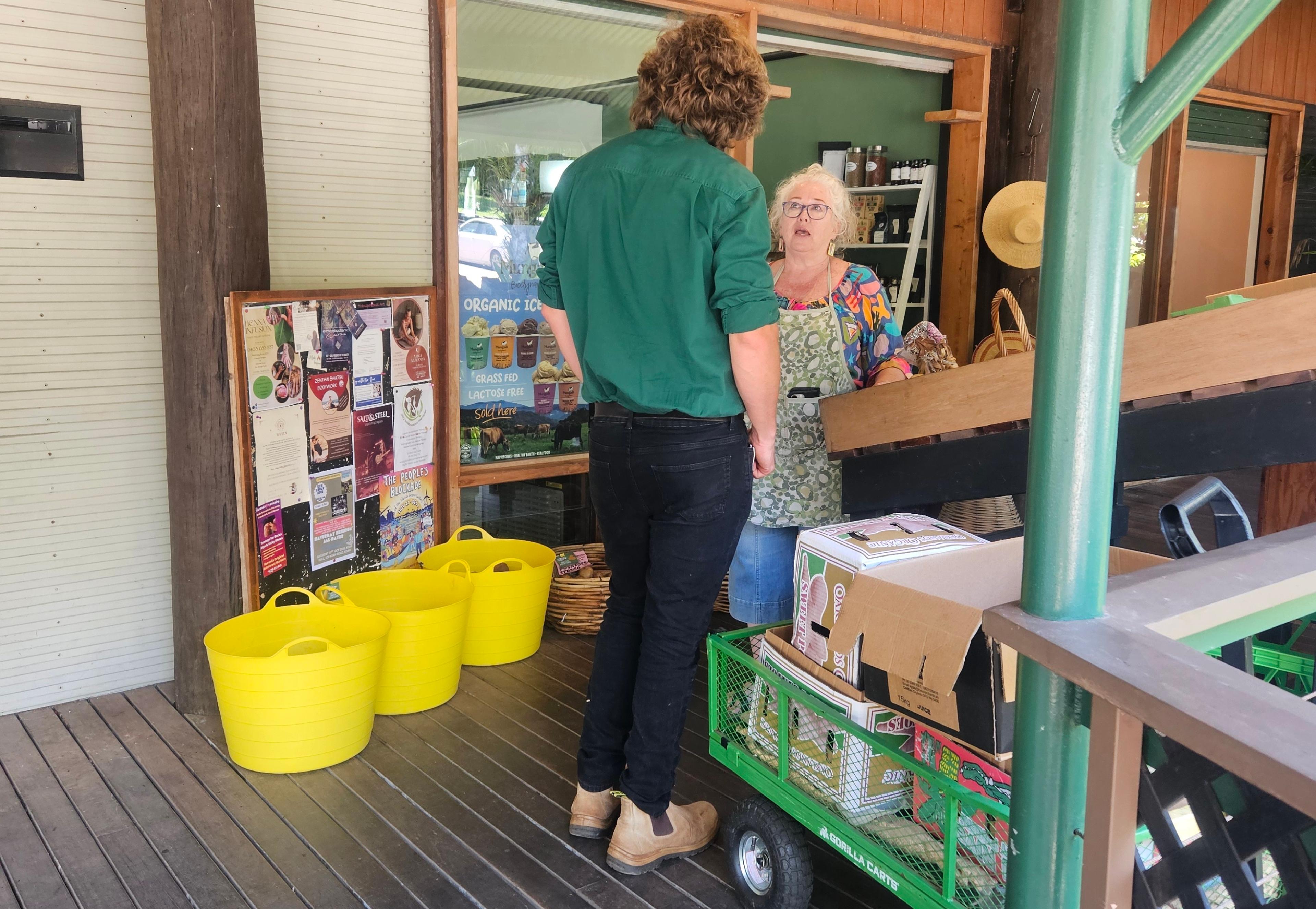
Retailers are feeling the pressure from both sides. One larger local retailer reported absorbing $15,000 in freight increases in the past month. Cost-of-living pressures are shifting customer behaviour, with many households choosing to purchase organic selectively rather than consistently. Some are also consolidating their shopping into fewer locations to reduce fuel costs, favouring one-stop-shop options over visiting multiple producers or outlets. One retailer reported a drop in Saturday customers from around 100 to just 15, well below what is needed to cover staffing costs. Another said that one family who previously bought $400 every week has cut back to $200 - a trend she has observed across many regulars.
Alongside reduced sales, the administrative load is increasing. Frequent price changes, delivery checks, and manual handling of goods – often without access to affordable door-to-door freight are adding hours to already stretched weeks. Retailers are reporting that this combination of financial pressure and workload is taking a toll, particularly during what would typically be stronger trading periods, such as school holidays and the start of FNQ's peak tourist season.
Emerging Opportunities
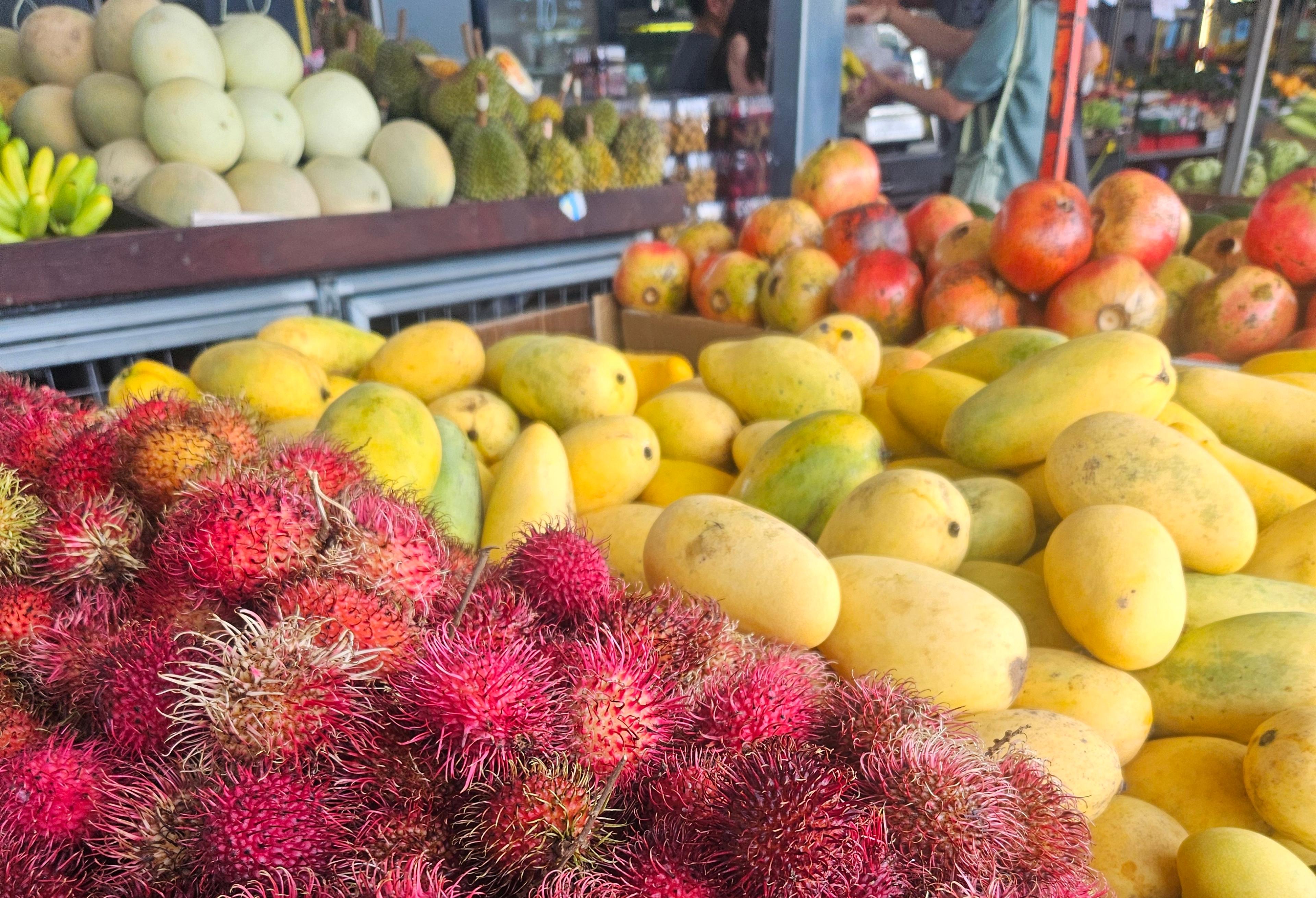
There are, however, signals of opportunity within this shift. As freight costs rise, locally grown produce can become more competitive. Organic garlic, for example, is now priced similarly across Brisbane markets and local growers once freight is factored in, strengthening the case for local sourcing. More broadly, these shifts are reinforcing the value of localised food systems, where shorter supply chains can reduce exposure to external shocks and keep more value within the region.
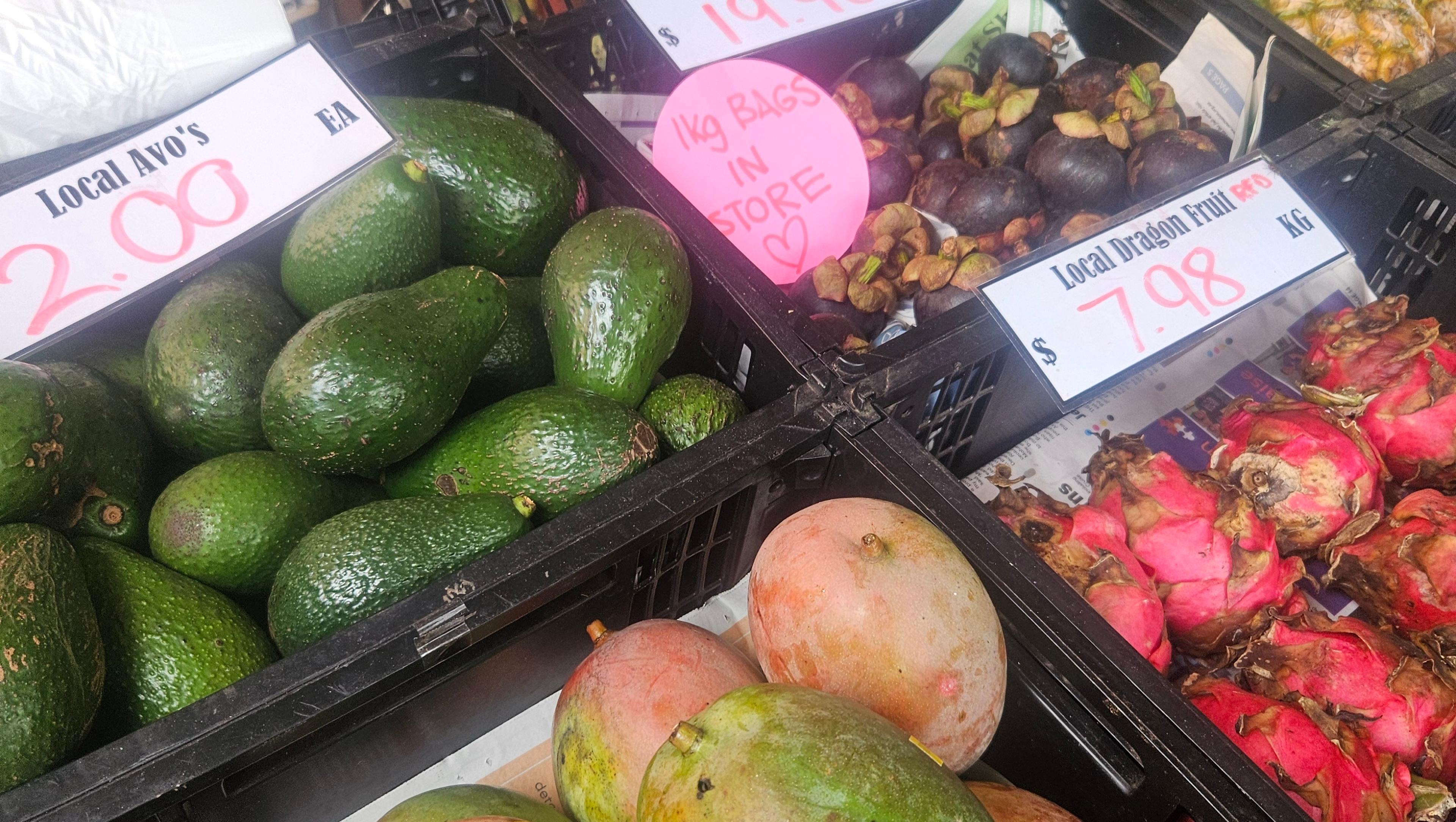
At the same time, volatility in broader commodity markets continues to highlight the limits of scale alone. Some larger avocado growers are currently harvesting at a loss, with oversupply and low prices leading to fruit being given away rather than sold. While this is a complex, multi-factor issue, it highlights how quickly conditions can shift beyond a grower’s control, and how vulnerable long supply chains can be to rapid market changes.
Real Solutions through Collaborative Logistics
In this context, strengthening local and regional food networks is not just important, but essential to building a more resilient and efficient food system.
The ATIC project supports regenerative farming and focuses on building a resilient food system in the region, protecting our valuable farming land, waterways, and the Great Barrier Reef. It is currently seven months into a 16-month Collaborative Logistics Pilot, designed to rethink how local food moves through the region.
The pilot is exploring ways to help regenerative growers and local markets connect more easily and affordably, reducing reliance on fragmented, high-cost transport systems. This includes creating clearer pathways to market, consolidating delivery runs, and improving the coordination and efficiency of how goods move across the region.
Importantly, this is a whole-of-system approach, looking across producers, retailers and consumers to support land management practices and food system processes that strengthen connections, improve efficiency, and build long-term environmental and economic resilience.
Early results point to the potential for coordinated logistics, shared infrastructure, and consistent delivery pathways to reduce costs, ease pressure on businesses, and create a more viable and connected local food system.
If you’re a local business interested in getting involved, or a potential investor looking to support this work, contact belinda@sustainabletable.org.au