Scaling Regenerative Supply Chains: Year Two with Scratch Pet Foods
Announcing Year Two Projects
The Dog Food Fund, a partnership between Sustainable Table and Scratch Pet Food, has entered its second year, continuing to invest in practical, farmer-led solutions that rebuild local supply chains and strengthen outcomes for farmers, animals, and communities. At a time of increasing centralisation and declining regional infrastructure, this work is critical to creating more resilient, transparent, and locally grounded food systems.
In 2026, four projects were selected for funding, each reflecting a different but complementary approach, from on-farm infrastructure and circular product development to community-led distribution models.
Belvedere Valley Farm (WA) - Beyond Organic On-Farm Micro Abattoir
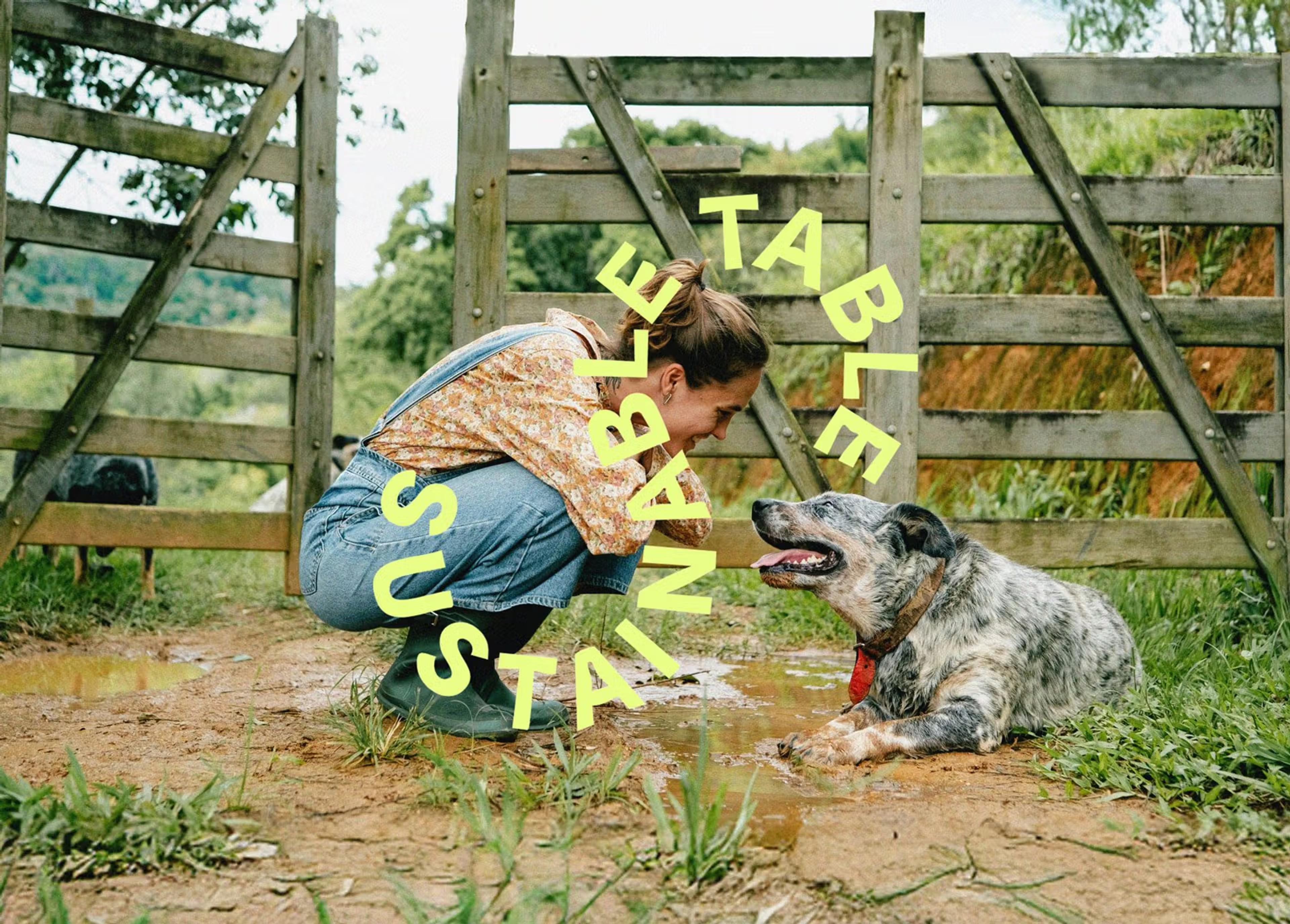
In Western Australia, Belvedere Valley Farm is establishing a small-scale, on-farm micro abattoir, set to be the first of its kind in the state in over 30 years. Designed with animal welfare and environmental impact front of mind, the facility will allow livestock to be processed on-farm, eliminating the need for long-distance transport.
Importantly, the model is designed for shared use. Within months of operation, the farm plans to open access to other local producers, offering a practical pathway to rebuild regional processing capacity. By openly sharing designs and learnings, the project aims to support replication across the state and beyond.
This is a clear example of what farmer-led infrastructure can look like when it’s grounded in regenerative principles and community needs.
Chiefs Treats (NSW) - Compliance and Production Optimisation
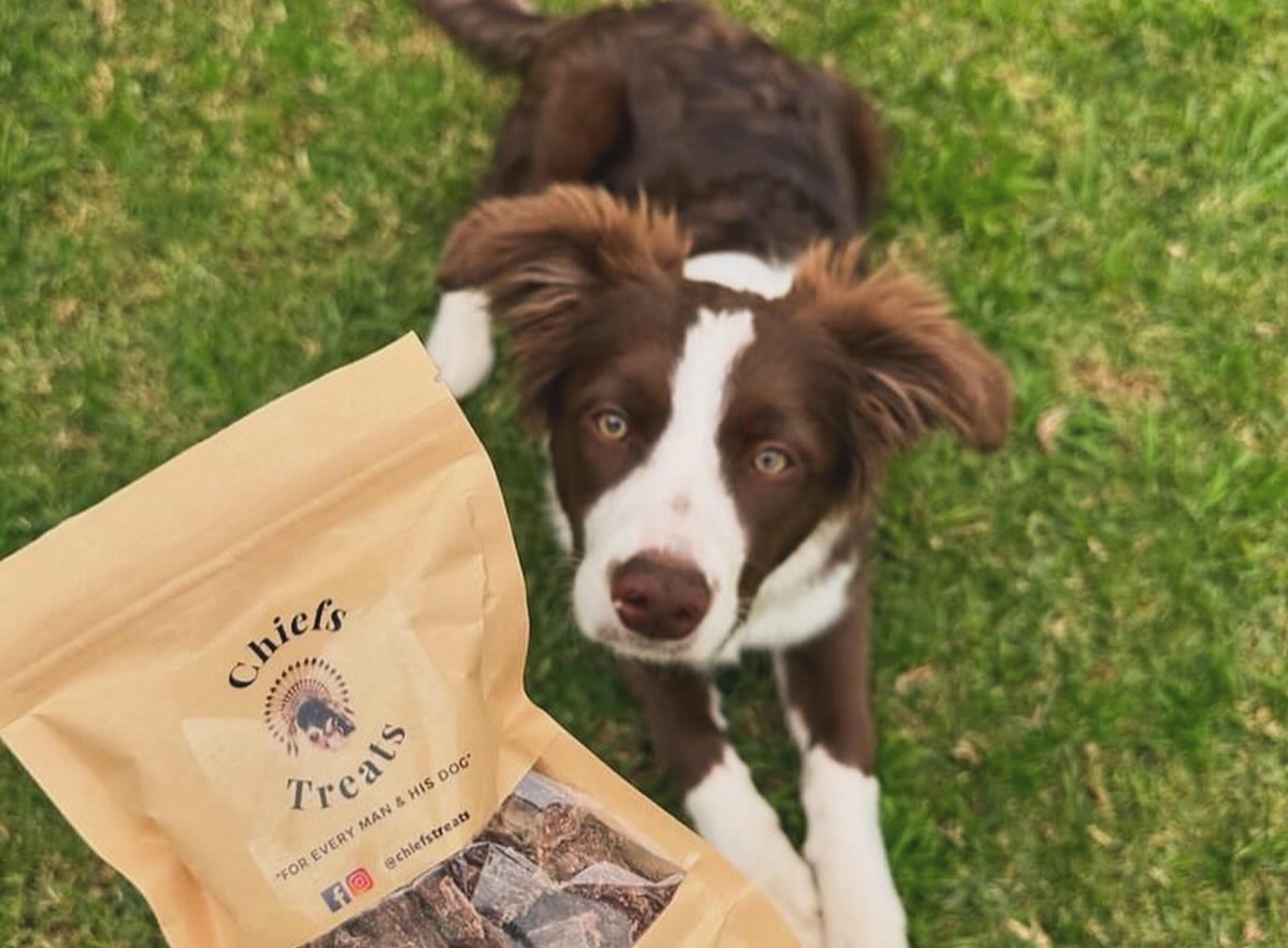
Chiefs Treats, founded by young entrepreneur Harley Scott, is transforming underutilised beef by-products into high-quality pet treats sourced directly from his family’s regenerative farm in the Mary Valley.
With support from the Dog Food Fund, the project is scaling its operations and investing in compliance, equipment, and production systems to meet growing demand. At its core, the initiative is about making better use of the whole animal while creating new income streams for regenerative farmers.
It also represents a new generation engaging with food systems in creative, values-driven ways, and bringing transparency and storytelling into the pet food space.
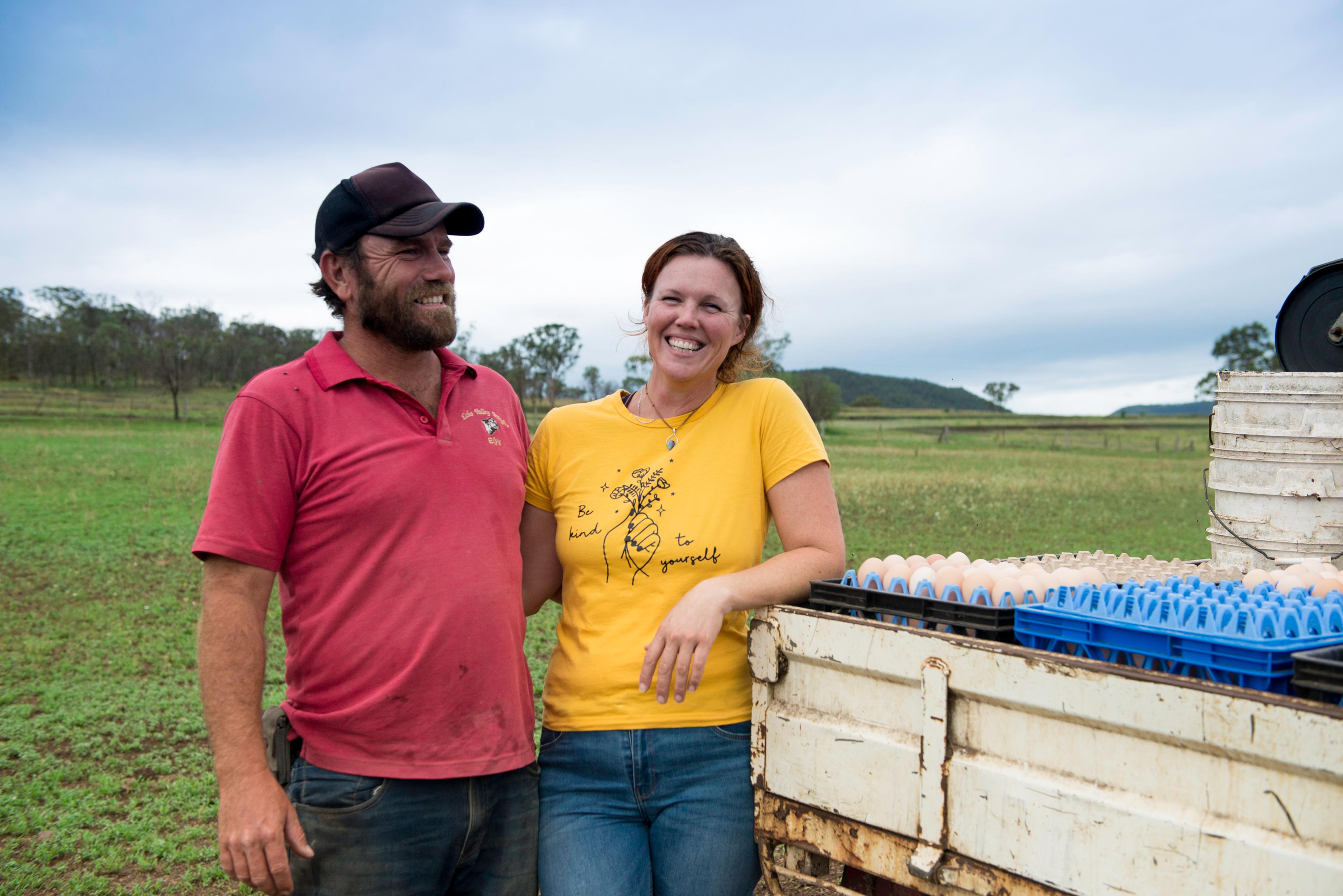
Echo Valley Farm (QLD) - Pet Food Community Supported Agriculture (CSA)
Echo Valley Farm is expanding its existing CSA model to include pet food, creating a closed-loop system that turns underused by-products into nutritionally balanced meals for pets.
Working with a network of local producers, the project will transform meat trim, bones, and offal, alongside inputs including brewers’ grain and vegetable waste, into a high-quality product distributed directly to the community.
By combining circular production with a CSA distribution model, the project strengthens farmer returns, reduces waste, and deepens connections between producers and consumers. It’s a powerful example of how collaboration across supply chains can unlock new value while staying grounded in regenerative principles.
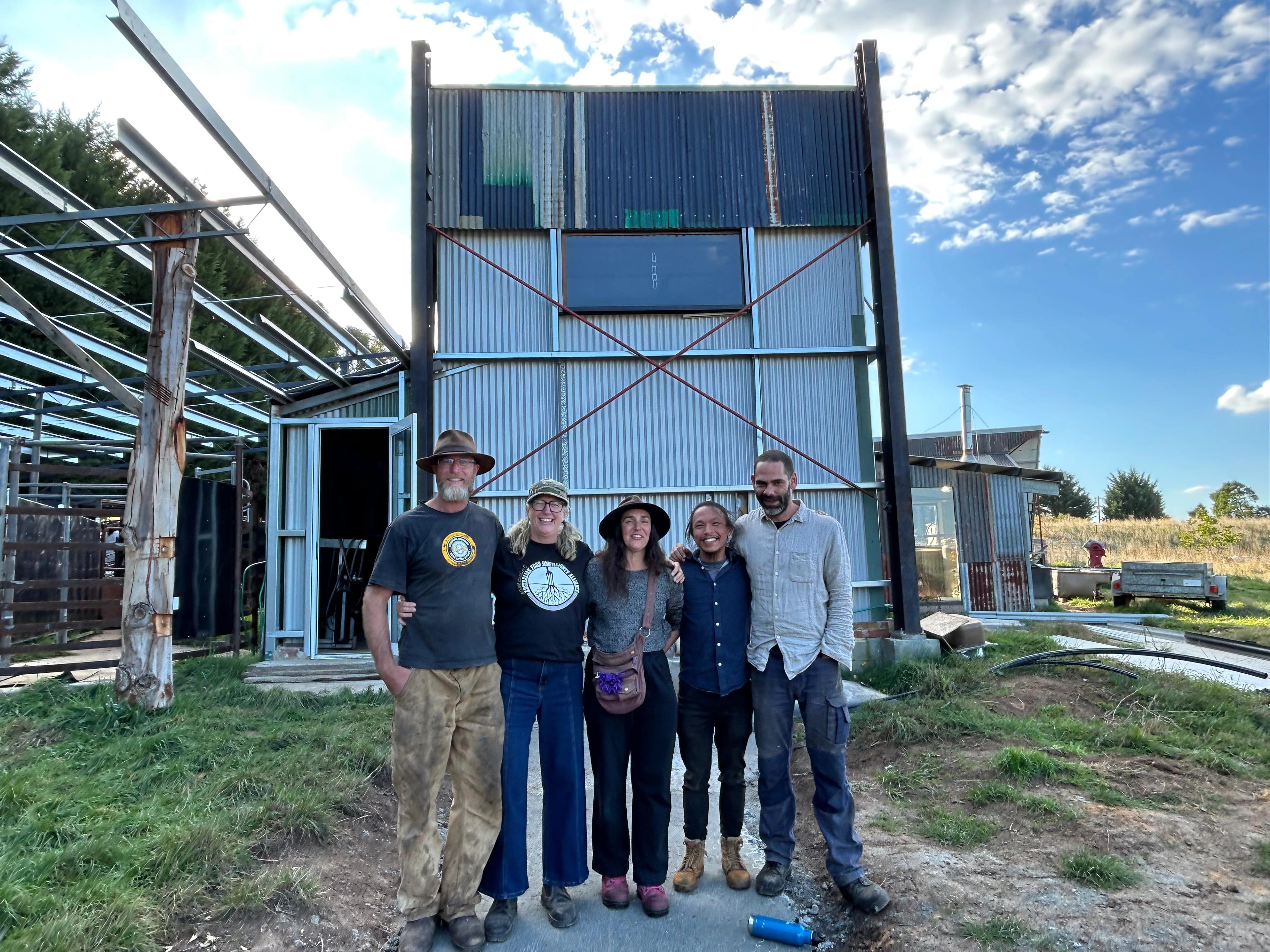
The Meat Collective (VIC) - Expanding Micro-Abattoir Waste Stream Utilisation
Building on an already established micro-abattoir model, The Meat Collective is focusing on a critical next step: turning all offal and bone waste streams into valuable pet food products.
This work strengthens the economic viability of small-scale processing by ensuring more of the animal is used productively. At the same time, it demonstrates how micro-abattoirs can operate as truly zero-waste systems.
With a strong commitment to sharing knowledge openly, the team will document and publish their learnings, supporting other producers and processors to adopt similar approaches and scale impact across the country
Looking Ahead
Together, these four projects highlight the diversity of solutions emerging across Australia, from on-farm infrastructure and circular product development to community-led distribution models.
What connects them is a shared commitment to rebuilding local systems that work for farmers, animals, and communities. By investing in these approaches, the Dog Food Fund continues to demonstrate how targeted funding and values-aligned partnerships can help shift entire supply chains.