New partnership brings regenerative grazing support to the Upper Herbert
A new partnership between Sustainable Table’s Atherton Tablelands Integrated Collaboration (ATIC) Project and Terrain NRM’s Herbert Integrated Project (HIP) is bringing practical regenerative grazing support to the Upper Herbert region. Through the Upper Herbert Practice Change Project, Sustainable Table will work alongside local graziers to strengthen farming enterprises, restore landscapes, and improve the quality of water flowing to the Great Barrier Reef.
The project complements work undertaken through both ATIC and HIP, which are funded by the Queensland Government.
The Upper Herbert encompasses the inland headwaters of the Herbert River catchment, including grazing country around Ravenshoe, Millstream, Evelyn and Innot Hot Springs on the Atherton Tablelands. From these elevated headwaters, the Herbert River travels through the catchment to the coast and into the Great Barrier Reef lagoon.
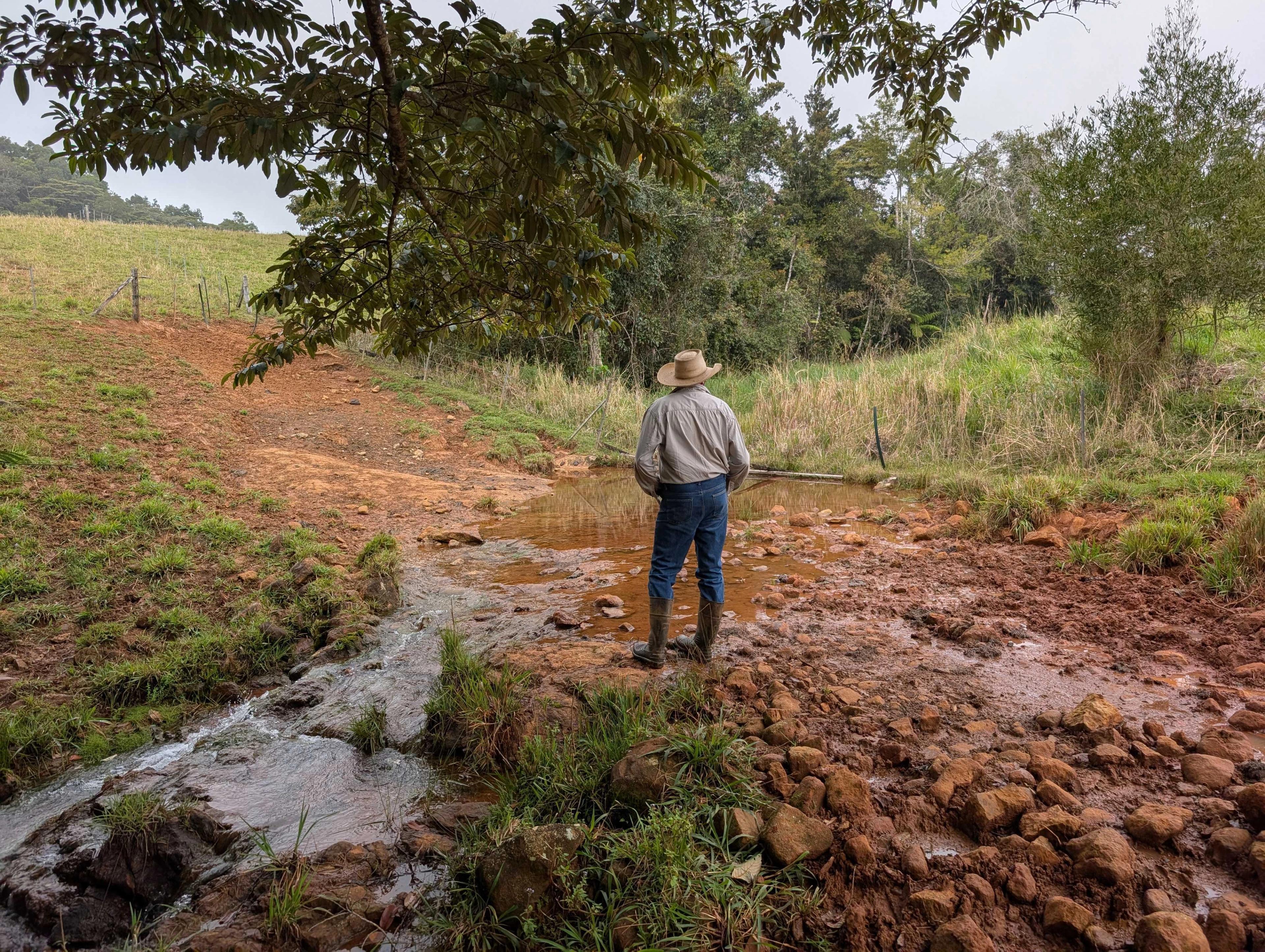
It is a diverse landscape, with varied land types, soils and grazing systems. Intense seasonal rainfall can move rapidly across the land, and some soils are particularly susceptible to erosion. Gully and streambank erosion, loss of ground cover and the effects of historical land uses can contribute fine sediment to local waterways. At the same time, graziers must manage seasonal variability, pasture recovery, livestock needs, and the long-term productivity of their businesses.
These interconnected challenges make a locally tailored approach essential. Building on ATIC’s established practice-change program, the project is extending its collaborative, place-based model into the region. By combining on-ground grants, farmer education and scientific monitoring, it will support changes suited to individual properties while responding to the needs of the wider catchment.
Practical change on the ground
Six Upper Herbert grazing properties will receive support to implement projects suited to their land, enterprises and management priorities.
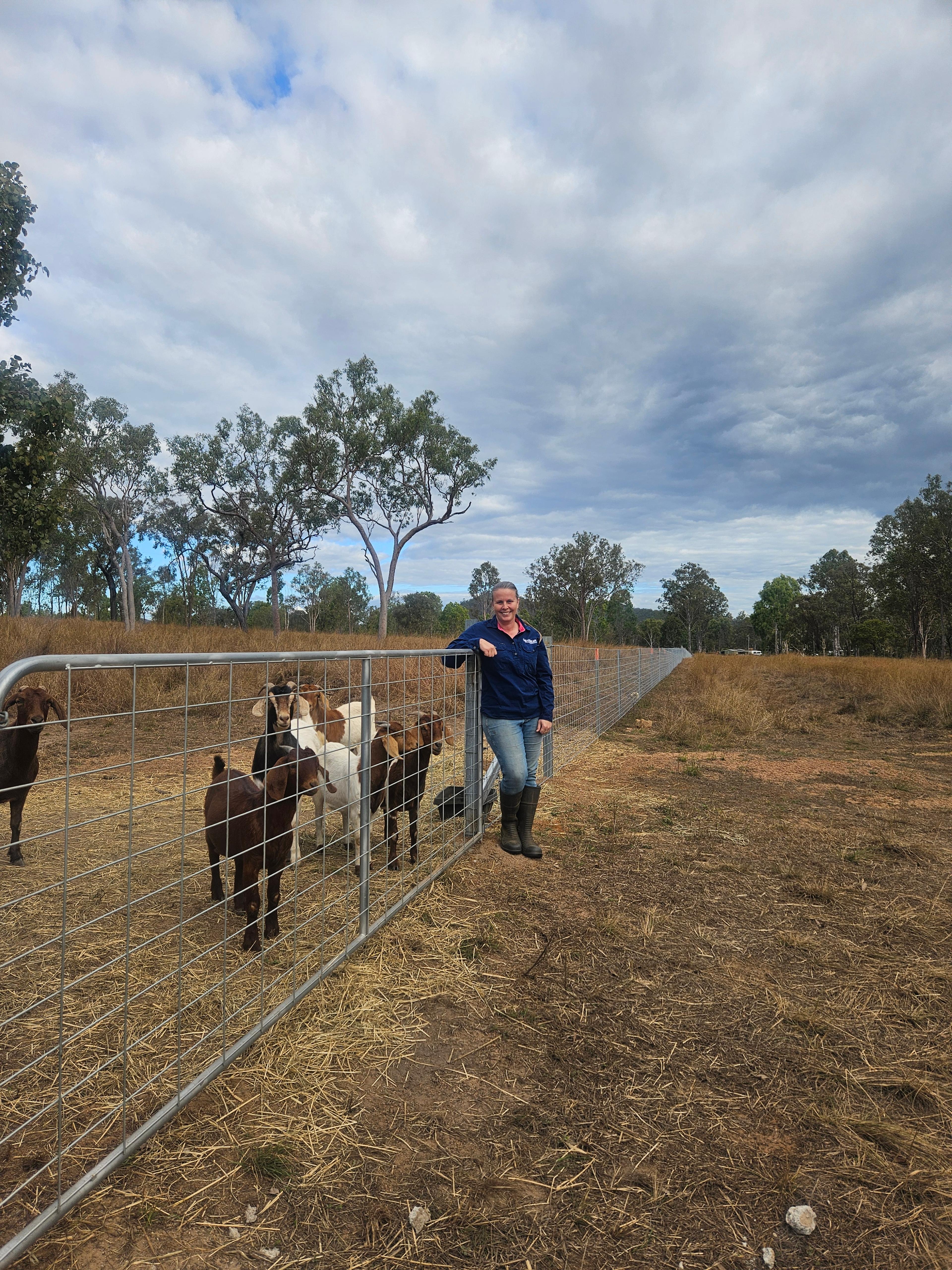
Planned activities include streambank and rotational-grazing fencing, watering infrastructure for cattle, revegetation, erosion-control works and improvements to water crossings. Together, these projects are expected to bring hundreds of hectares under improved management and protect significant stretches of waterways.
While the activities will differ from property to property, they share a common purpose: to maintain ground cover, protect riparian areas and give pastures sufficient time to recover.
These changes will reduce the movement of fine sediment and nutrients into connected waterways while delivering practical benefits for participating graziers. Healthier soils and pastures can improve water infiltration, nutrient cycling, livestock wellbeing and productivity, while helping farms withstand drought, floods and other extreme conditions.
“The strength of this partnership with Terrain NRM is our shared commitment to a place-based, integrated approach. By bringing together local knowledge, practical on-ground support, education and capacity building, and scientific monitoring, we can respond to the Upper Herbert’s unique needs while supporting healthier landscapes and waterways, and more resilient grazing enterprises.”
— Laura Dunstan, Project Manager, Sustainable Table
Measuring the project’s impact
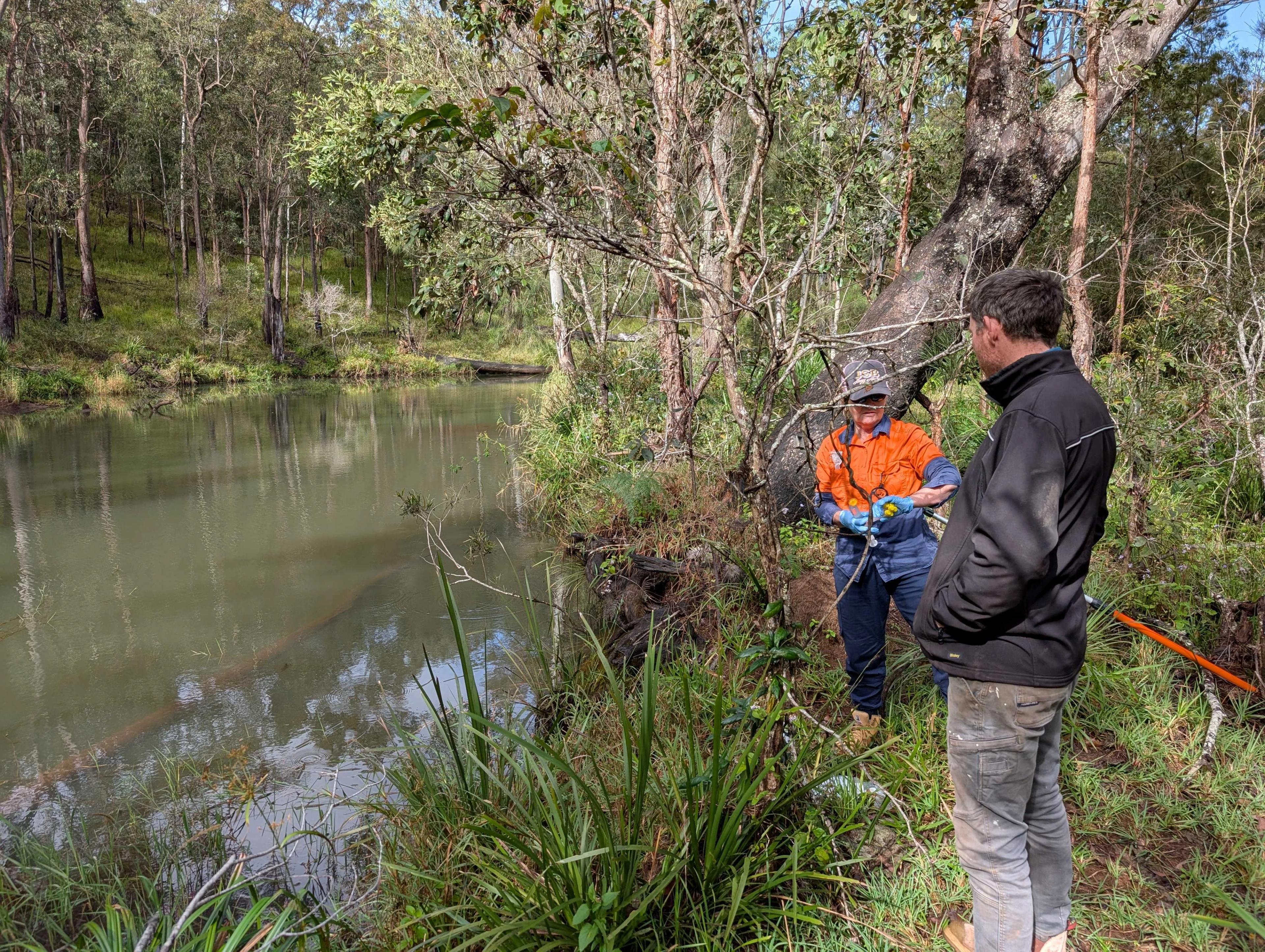
To begin measuring the effects of the on-ground work, Sustainable Table is partnering with JCU TropWATER to establish a scientific baseline.
JCU TropWATER will undertake water-quality monitoring - assessing sediment and nutrient losses, and evaluating co-benefits of land management practice change, including land condition and riparian health.
The monitoring will be complemented by reporting from the Paddock to Reef Integrated Monitoring, Modelling and Reporting program. Together, these different forms of evidence will help identify what is changing, what is working and where further support or investment could have the greatest impact.
Upper Herbert Regenerative Grazing Connect Workshop
The project is partnering with Pinnacle Pocket Cattle and Consulting to deliver locally relevant regenerative grazing education and capacity building support.
A two-day Upper Herbert Regenerative Grazing Connect workshop will be held on 16–17 October 2026 in Mt Garnet. Facilitated by agronomist and soil scientist Peter Spies, the practical workshop will support Upper Herbert graziers in exploring ways to improve the productivity, profitability, and resilience of their enterprises while reducing erosion and sediment loss.
The workshop will cover regenerative and rotational grazing, stocking rates, pasture recovery, ground cover management, riparian restoration, soil health and practical erosion control. It will also explore beef enterprise economics, financial and seasonal risk, succession planning, pasture nutrition and emerging opportunities in soil carbon.
Hands-on soil and paddock sessions will give participants practical tools for assessing soil condition, ground cover and pasture performance. The workshop will also create opportunities for graziers to share knowledge, strengthen local networks and identify priorities for future training, research and technical support.
Register your interest by emailing info@pinnaclepocketcattle.com.
Building a model for lasting change
The project is expected to create long-term benefits including:
- reduced sediment and nutrient runoff into waterways connected to the Great Barrier Reef
- improved riparian condition, ground cover and soil health
- more productive and resilient grazing enterprises
- stronger connections between landholders, local experts, and regional organisations
- clearer evidence to guide future practice change investment.
The project will capture lessons through scientific monitoring, property visits, interviews and participant feedback. Sharing these findings will help other graziers understand how regenerative land and water management can be applied under Upper Herbert conditions.
By connecting practical support, knowledge and network building, and credible monitoring, the project aims to demonstrate an integrated, place-based model that can inform future regenerative agriculture and water quality initiatives across other Great Barrier Reef catchments.
For more information, email atic@sustainabletable.org.au and visit the ATIC webpage.
This project is delivered by Sustainable Table and Terrain NRM as part of the Atherton Tablelands Integrated Collaboration and Herbert Integrated Project, funded through the Queensland Government’s Queensland Reef and Catchment Water Quality Program.