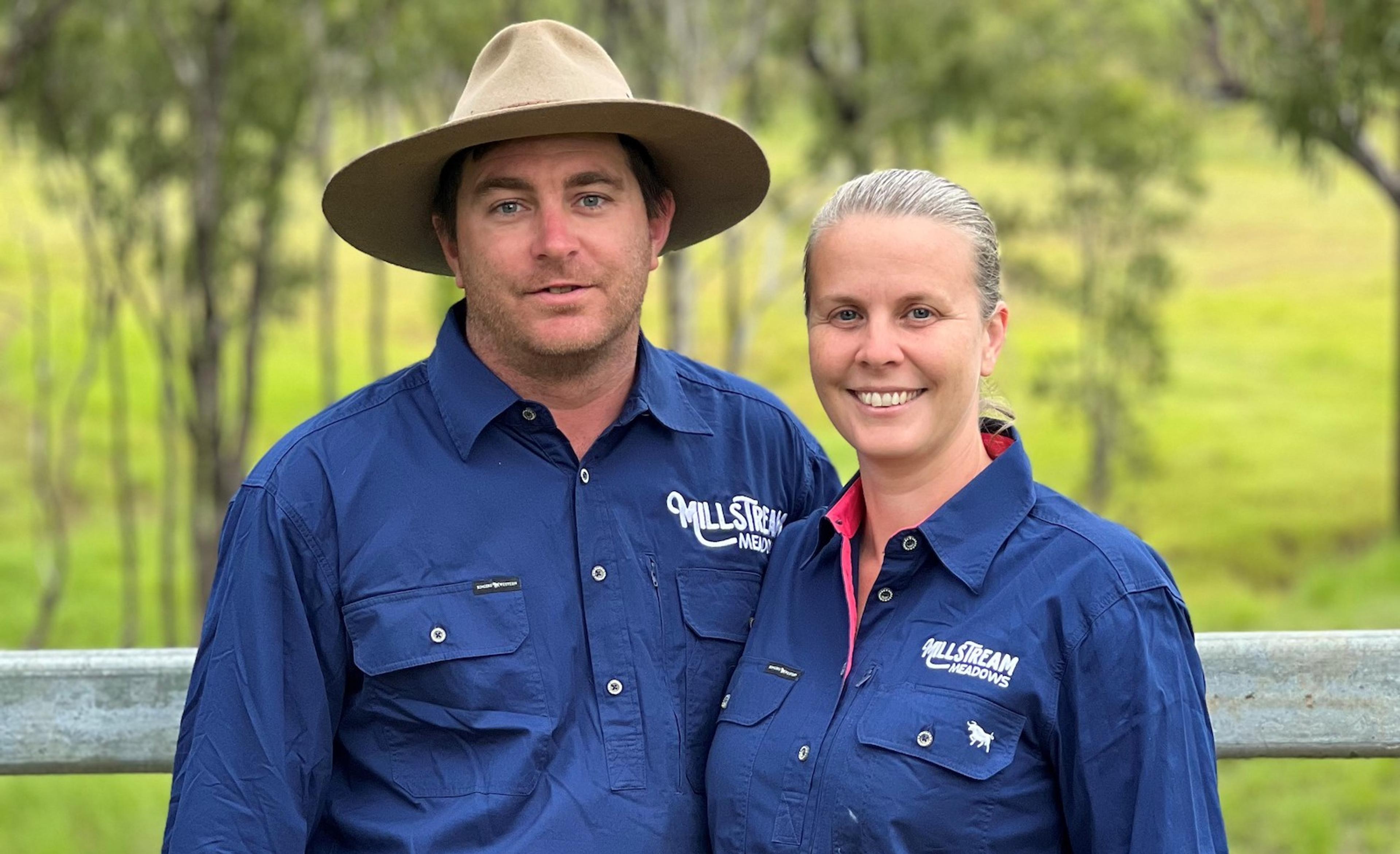
Meet Toni Perrin from Millstream Meadows
I emerged from the cool, foggy Tablelands and headed south-west along the Kennedy Highway toward Millstream Meadows. It was late July, and I was on my way to meet Toni, who, together with her partner Brad, is working closely with nature to grow high-quality, nutrient-rich food.
But growing food is just part of what they do on their 99-acre slice of paradise. Nestled beside the Millstream River and overlooking the sweeping savannah lands beyond, their property is a vibrant, living example of what’s possible when people and place work in harmony.
Name: Toni Perrin
Location: Millstream Meadows, about 15km from Ravenshoe, FNQ
Produce: Various types of meat, but there’s a lot more to come!
How long have you been farming in a way that considers the environment as central to your practices?
We started our journey about two and a half years ago, after extensive research, on a smaller acreage growing mostly for ourselves. Buying this property, we started to get serious about growing cattle, pigs, goats, and fruit and veg using practices that work with nature. We also work with other farmers, we’re kind of unique in that sense. Because of my marketing and networking background, we’re selling for other growers whose practices align. Farmers who use regen practices want to sell locally - they don’t want to sell to the meatworks so their product is lumped with everyone else’s. We’re just a small farm, and this is our point of difference, locally.
What led you to make these changes?
Everything we watched, like Joel Salatin, Farmer Jesse from No Till Growers, Greg Judy Regenerative Rancher - people like that who are using these practices - not fighting nature but working with it. These methods reduce expenses, and they work on a smaller scale. We’re not putting all our eggs in one basket, and we’re improving soil and growing a quality product at the same time.
How did you make these changes? What resources did you lean on to help you (courses, articles, people, etc.)?
YouTube! It started with Mark Velencia from Self-sufficient Me, and Dr Elaine from the Food Soil Web School. There’s not much available face-to-face for us up here in FNQ. I see these amazing talks and conferences happening in other places, and I think - we need that here! Education is the key to change - it’s one of our highest priorities at our place.
What practices have you implemented and modified?
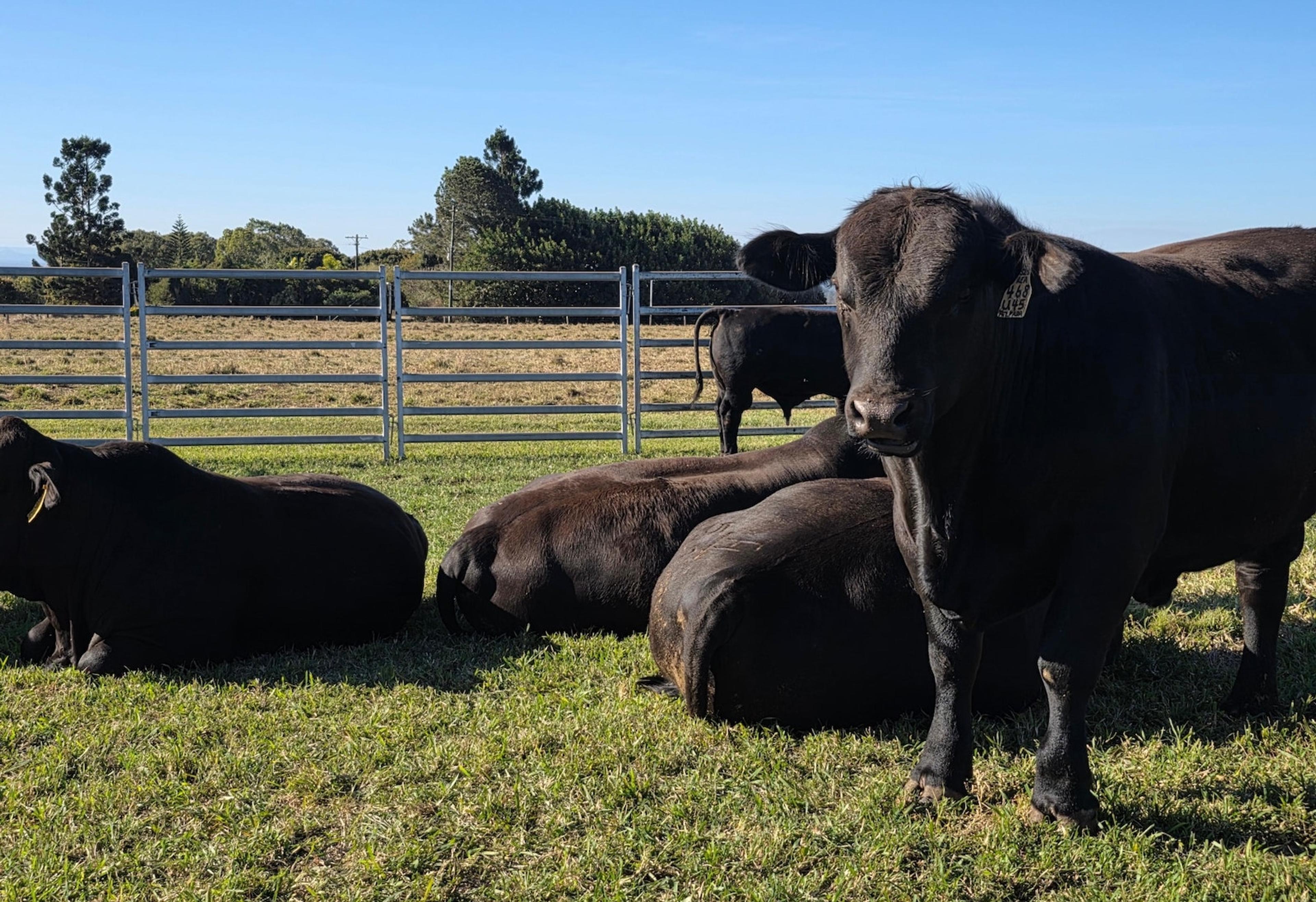
The previous owners here had a few cattle, and they had horses in permanent paddocks. The soil was compacted and weedy. It’s a sandy loam anyway, but it really lacked organic matter. We’ve put goats and cattle through in some areas so far, but we do need to increase our fencing and bring in more goats to increase this. Intensive rotational grazing is our priority.
What impact has this had? How have these practices improved your soil health and biodiversity?
We’ve definitely seen a difference already - especially with the goats browsing those woody weeds and introducing microbes through their manure. We’re seeing winter grasses coming through that weren’t here last year. We’ve observed nature’s ability to heal itself in action, we’ve seen weeds growing where the soil needs them to grow, and show us how we can assist.
What challenges have you faced in adopting these practices, and how have you overcome them?
Fencing and irrigation! I cart water to our small paddocks, so it’s quite labour-intensive. We’d love to improve on these as soon as time and cashflow allow. There are other challenges for farmers like us including logistics, infrastructure like small abattoirs, and shared refrigeration spaces.
What advice would you give to other farmers interested in transitioning to practices that centre the environment?
I’d probably put them onto some of the YouTube channels we started with - the evidence they share is irrefutable - it makes so much sense to do what nature naturally does! And remember what works for one might not work for another - but just have a go. There’s so much potential here, we live in an amazing food bowl!
You seem really passionate about education, can you expand on that?
We very much feel that this is our purpose; we are living our purpose. Sharing that message and helping other people to see that there are ways to make money in farming is important. If we don’t change the beliefs around farming being able to provide a really good lifestyle, we could end up with no farmers, and no food.
At the same time, consumers need to value local food - to lower food miles and create food security. We love what Angela Nason is doing at Tablelands To Tabletop! If we all work together, we can create massive change here. We do need to make it easy for them, though - we’ve all been raised with the convenience of supermarkets, and we need to consider that when we’re educating consumers.
What is your favourite food/recipe?
Anything we grow on the property! The biggest difference is probably pasture-raised pork. It’s like a whole different protein and I didn’t realise pork could taste like that. Happy pigs taste better!