FOLK Small Farm and Growing with Intention
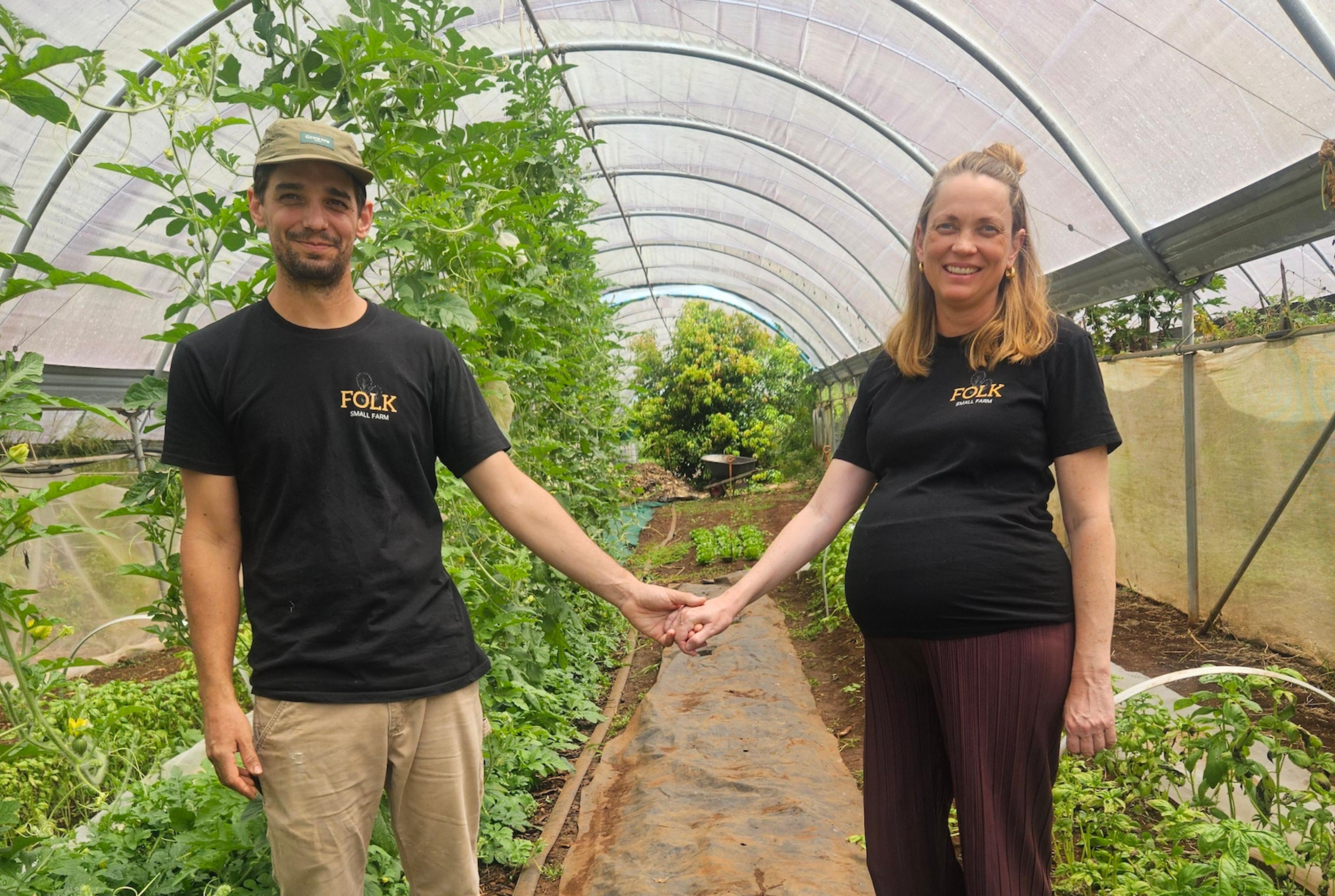
Tucked in amongst peaceful grazing land, not far from the banks of Tinaroo Dam, Louis and Katy Pittiglio are raising a young family while growing good food on a neighbour’s property — an opportunity that has allowed them to quietly build a small farm with intention.
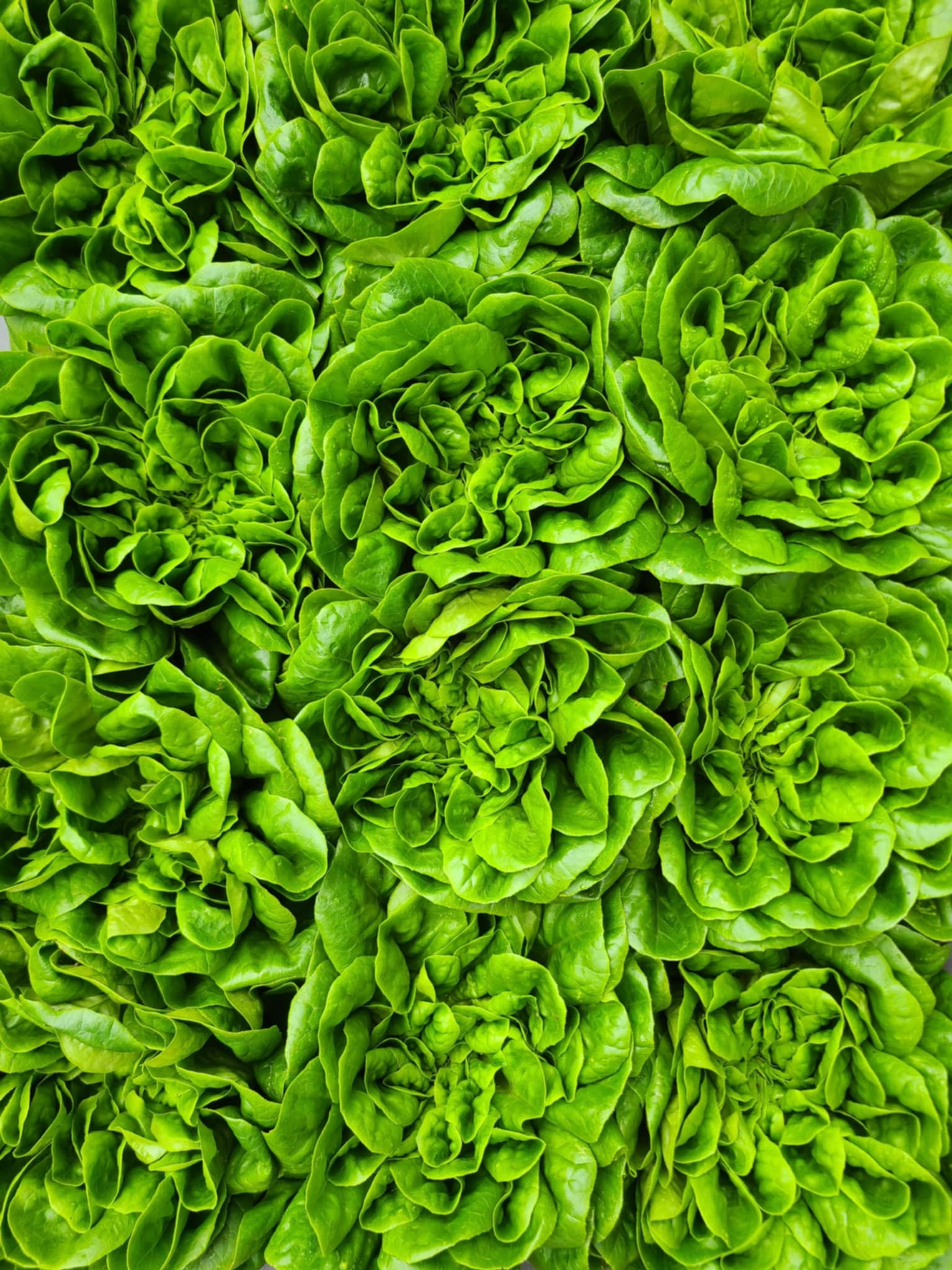
The tunnels they grow in once produced organic berries and now shelter vibrant green salad leaves and seasonal vegetables for the Atherton Food Co-op and hospitality, alongside the occasional bold experiment — all thriving in that perfect chocolate-brown volcanic soil the Tablelands is known for. A vertical row of watermelons had us completely fascinated, and the Mexican-inspired bed is a living example of Louis’ commitment to following his passions.
In this Farmer Yarn, I sat down with Louis to explore their journey so far — what’s shaping their decisions, what they’re learning in this unique growing environment, and what it really takes to build something meaningful from the ground up.
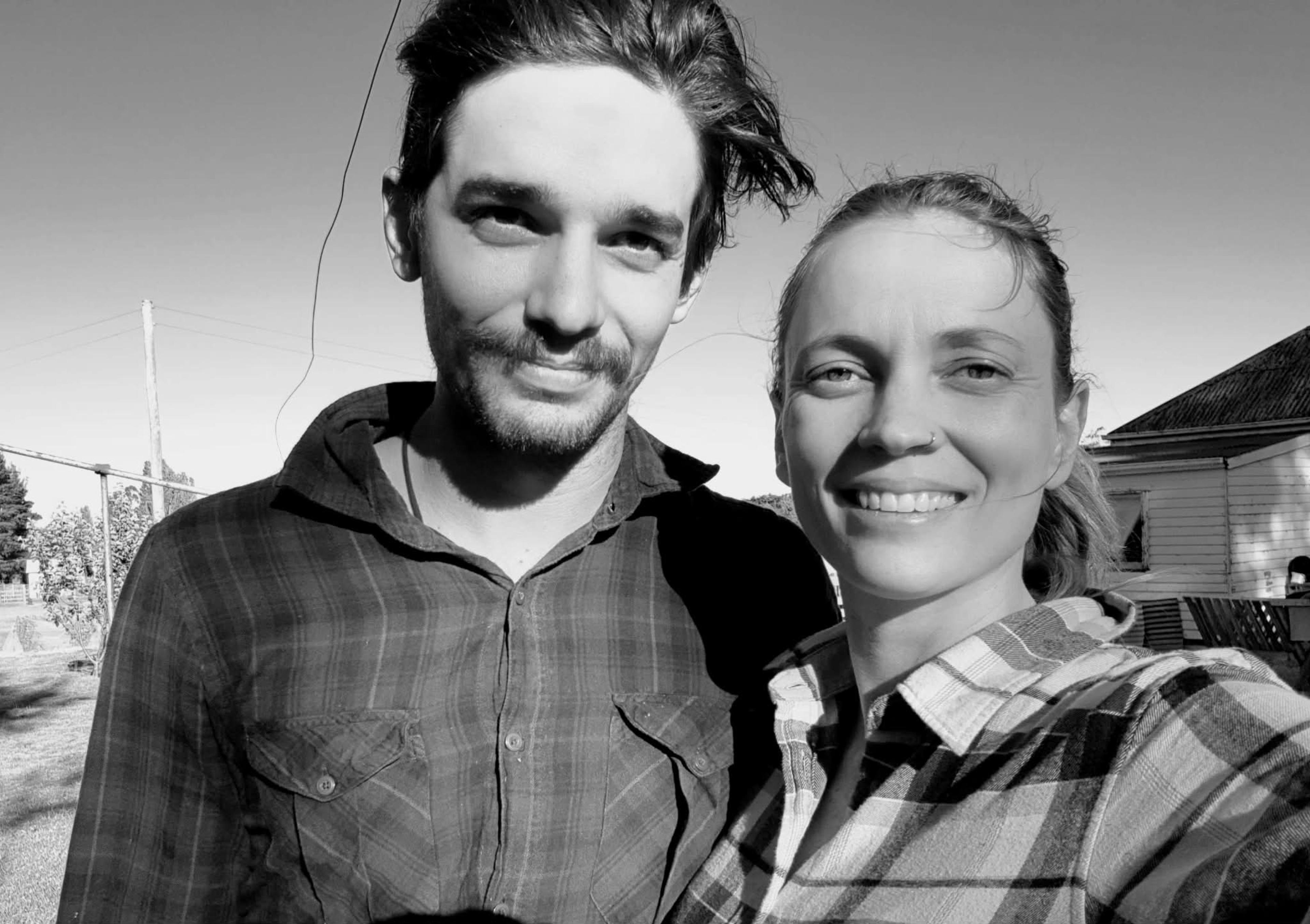
Name: Louis and Kathryn Pittiglio of FOLK Small Farm
Location: East Barron, Qld
Produce: Cut salad leaves and different varieties of vegetables
Duration: Three years on this farm, and another for nine.
How long have you been farming in a way that considers the environment as central to your practices?
Louis: For the whole three years I’ve been farming, prior to that I was working in conventional agriculture.
What led you to make these changes?
Louis: The health of our planet, the health of the people.
How did you make these changes? What resources did you lean on to help you (courses, articles, people, etc.)?
Louis: Mainly, honestly, YouTube and podcasts, like Farm Small Farm Smart with Diego Footer, The No-Till Growers Podcast with Farmer Jesse, and people like JM Fortier, Jodi Roebuck and Curtis Stone.
What does it look like for you on your farm now? What practices have you implemented and modified?
Louis: Soil health is first, and the way we do that is with as much care and love as we can with compost… and our footsteps! A farmer’s footsteps are the best fertiliser, right? Being there every day - constant learning, observation, adapting. If our plants are happy, we’re heading in the right direction.
What challenges have you faced in adopting these practices, and how have you overcome them?
Louis: Information for our growing environment - place-specific. It’s different here to what all the growers are experiencing in those podcasts I mentioned. We’ve had to make our own way, in many ways. How to grow here isn’t really recorded for new farmers to access. Groups like the Biodynamics group here has helped, community has been the biggest help in so many ways. To start growing on the farm next door, for example. Putting the information I had access to into practice, I’d say that’s been most challenging so far.
What advice would you give to other farmers interested in transitioning to practices that centre the environment?
Louis: If you are on a farm, get off it and visit other farms who are already doing this - seeing is believing, I think! Being able to see something work is a great start, and it’s what worked for me. Going to Roebuck Farm in New Zealand taught me a lot of what I’m doing now. Jodi showed me that you can do it, and he’s made a whole life of this gig.
What is your favourite food or recipe?
Louis: At the moment, it has to be Mexican food! Anything central or south American, really. I’m getting excited about growing those foods, fire cooking. What we can grow here has similarities to there and coming from a hospitality background, I love to delve deep on those real food styles and the origins of the flavours.
Anything else you'd like to say about farming?
Louis: Following nature’s always a good start, being out in it, understanding, observing - applying how nature’s managing and applying it to your own system to leave it better than it’s been managed before is important to me. I started with one grow tunnel while I had an off-farm job. We’re in our third year now, we’re growing more, and it’s pretty much becoming full-time for us. I’m passionate about the profitability of small farms - can it work, if not, why not? I really like the saying “You can’t be green if you’re in the red” which is why we’ve started small and slow. It allows us to enjoy it more, slow down and understand, take a breath and, bit by bit, build this wonderful life. Ultimately, I’d like to be showing others how to do this here, in this place - running workshops or sharing our experience in some way. I think that’s really important, and necessary, and I’d love it.