From Soil to Seedlings at Barefoot Farm
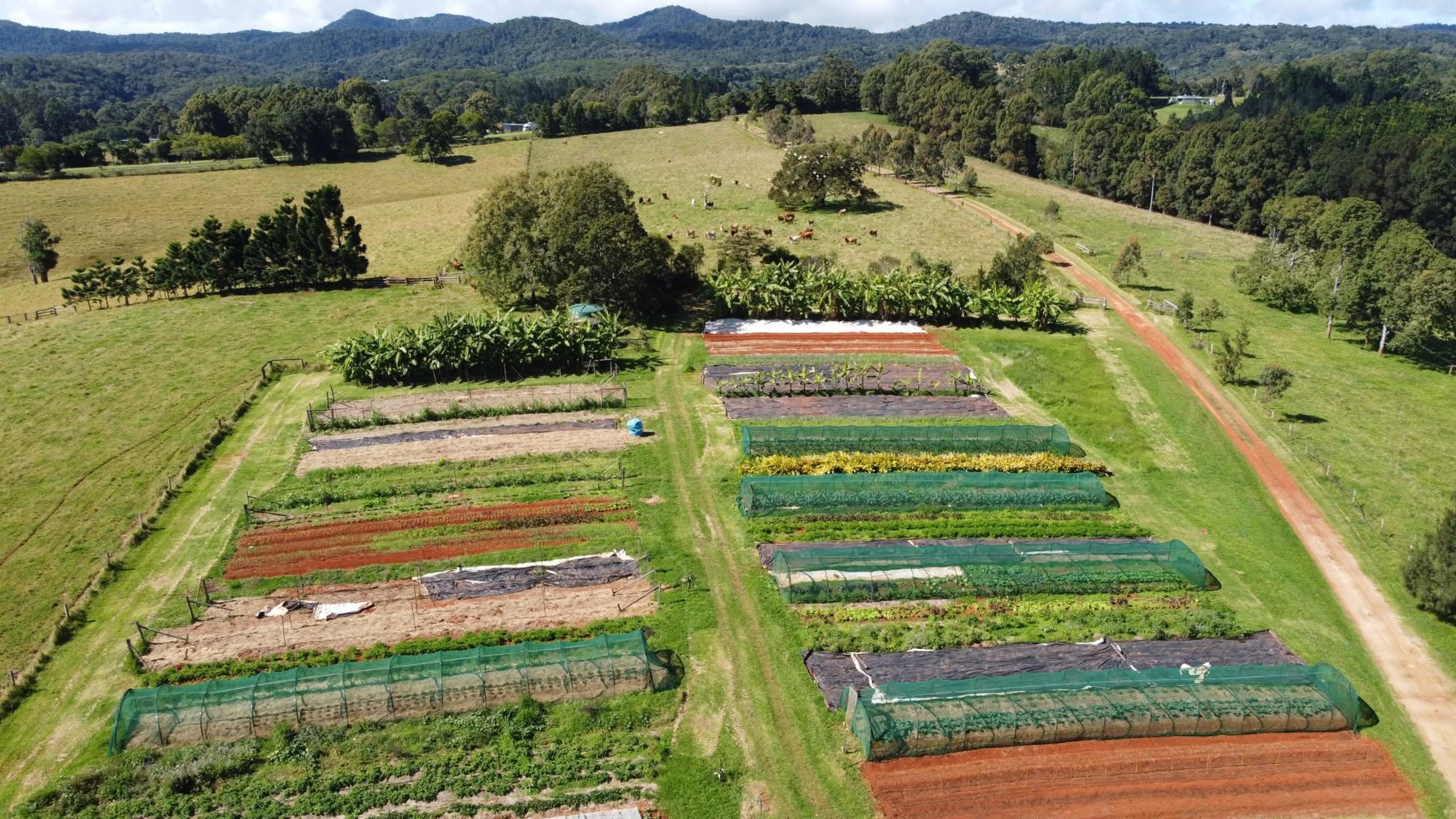
Nestled in the rolling high country near Ravenshoe, the highest town in Queensland, Barefoot Farm is one of those places that seems to slow your breathing the moment you arrive. Surrounded by native bushland, crystal-clear waterways and sweeping views across rich volcanic country, Lisa Price and Simon Harden have spent more than two decades building a life deeply connected to the land — raising a family, growing food, nurturing seedlings, and quietly sharing their knowledge with countless others along the way.
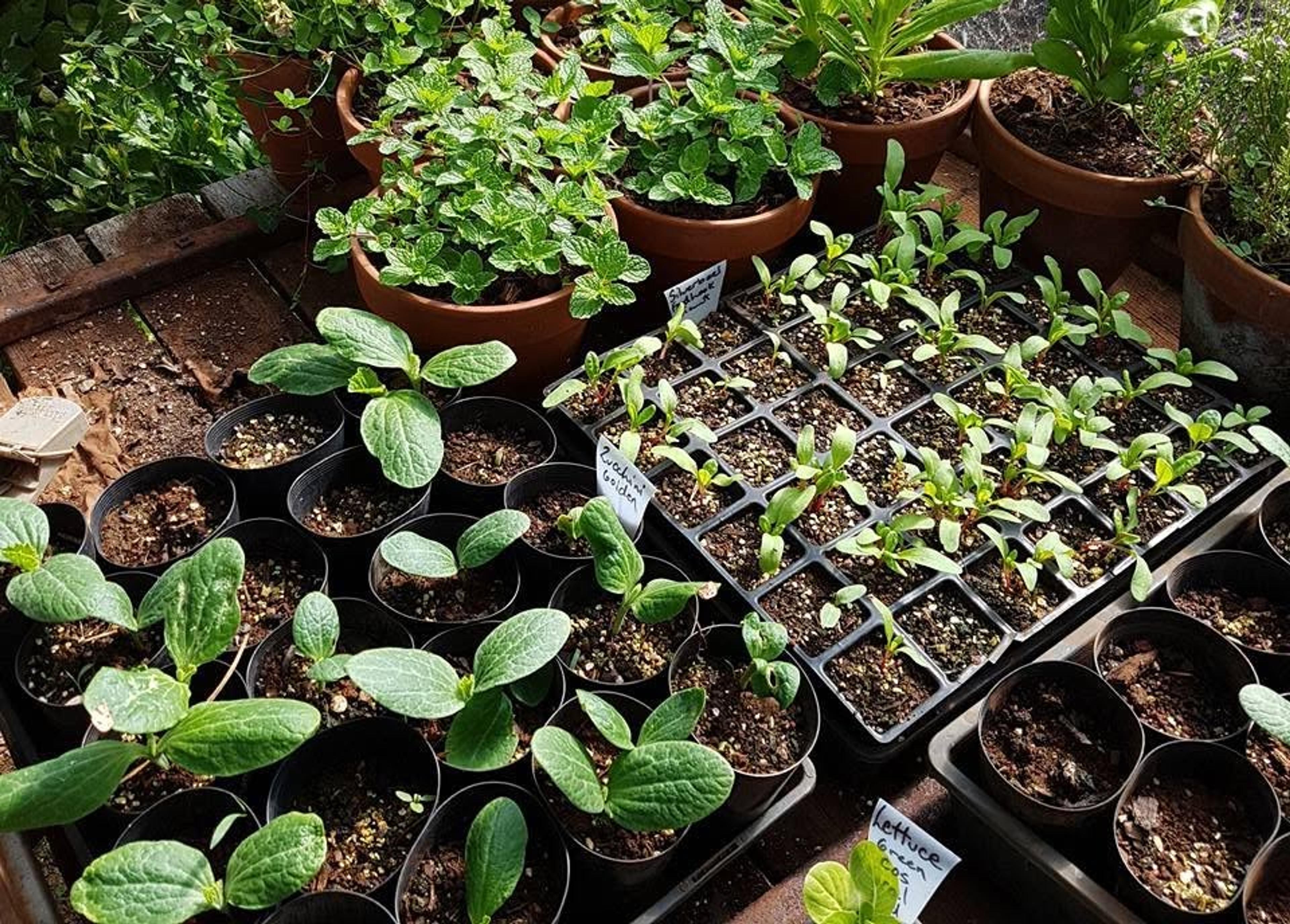
Every corner of the farm tells a story. Lisa's greenhouse overflows with seedlings destined for backyard gardens across the Tablelands, alongside medicinal herbs and edible flowers that reflect her passion for plants that nourish both people and landscapes. Nearby, Simon tends an abundant mix of vegetables, ginger, turmeric and grains, with clumps of thriving bananas adding a tropical touch to the cooler high-altitude setting. Looking on from lush green paddocks, a peaceful herd of beef cattle completes the picture of a truly diverse farming enterprise.
What struck me most wasn't just the productivity of the farm, but the generosity woven through it. Advice, encouragement and hard-earned wisdom seem to flow naturally in conversation. After decades of experimenting, succeeding, failing and trying again, Lisa and Simon have become a trusted source of practical knowledge for aspiring growers across the region. Even their legendary compost reflects a philosophy built on patience, observation, and working with nature.
In this Farmer Yarn, I sat down with Lisa and Simon to explore the journey that brought them here, the lessons they've gathered over more than twenty years on this land, and what continues to inspire them as they grow food, plants and community from this remarkable corner of Far North Queensland.
Name: Lisa Price & Simon Harden
Location: Near Ravenshoe, QLD
Produce: Commercially, we’re currently mostly growing seedlings.
Duration: Over 25 years
How long have you been farming in a way that considers the environment as central to your practices?
Lisa: In 2010 we went organic.
What led you to make these changes?
Lisa: We became part of the local Biodynamics group and learned so much. We went to work alongside Adam Collins on his farm, and we wanted to make changes for ourselves as well as the planet.
How did you make these changes? What resources did you lean on to help you (courses, articles, people, etc.)?
Lisa: We made the changes slowly - focusing on Soil Health. I studied under Dr Elaine Ingham through the Soil Food Web School and eventually became a consultant to others who want to build healthy soil too. Early on I read JM Fortier’s work to learn about small-scale farming. Joel Salatin also recommends starting small and slow.
What does this look like for you on your farm now? What practices have you implemented and modified?
Simon: One thing we do to build soil health is make our own compost. We also use this in the potting mix for the seedlings, which gives them a great start. We use thermal composting methods under cover, so we can control the temperature and moisture levels. It’s checked daily and we record the temperature, and when it was turned.
What challenges have you faced in adopting these practices, and how have you overcome them?
Lisa and Simon: Weather! Animals - pests, pigs, our cows. Wallabies not endemic to this area are increasing rapidly in numbers here, which is a concern because we don’t fence to exclude wallabies up here. Information for our unique climate is hard to come by, we really should be recording local information so it’s easy for other growers to access. Finding the right variety of seed can be hard, then accessing those seeds at an affordable price each season. We save our own when we can, but when growing more than one variety on the farm, they don’t stay pure.
What advice would you give to other farmers interested in transitioning to practices that centre the environment?
Lisa: Try to access as much local knowledge as you can. Learn from others’ trials! Join groups and chat to growers at the markets. Ask neighbours. Try to understand biological options to support your soil and plants, don’t just do nothing and hope they grow.
What is your favourite food/recipe?
Lisa and Simon: The shared meals at the Biodynamics Group meetings - to taste the flavours others have created from food they’ve grown, or sourdough they’ve baked is really inspiring. Anything homegrown tastes better than store bought, it’s hard to choose one food! Fresh potatoes and vine-ripened tomatoes are two of our favourites.
Lisa: Anything homegrown and cooked by others is the best!
Anything else you'd like to say about farming?
Simon: We farm beef, but we started early on with seedlings, then by planting out excess seedlings we got into growing vegetables, selling a bit here and there, then selling boxes locally, and some to the Atherton Co-op. Now we’re mostly back to growing seedlings which we sell at the markets and Atherton Co-op, as well as beef. It’s harder to make money from horticulture.
Lisa: Having a few income streams is good, and the beef is what’s most profitable for us, and less time-consuming. But we do love the seedlings, it’s an opportunity to make change, to educate the community about growing their own food. They come back to the market stall to show us photos of what they’ve harvested, it’s great!