
Do We Finance the Change or Change the Finance?
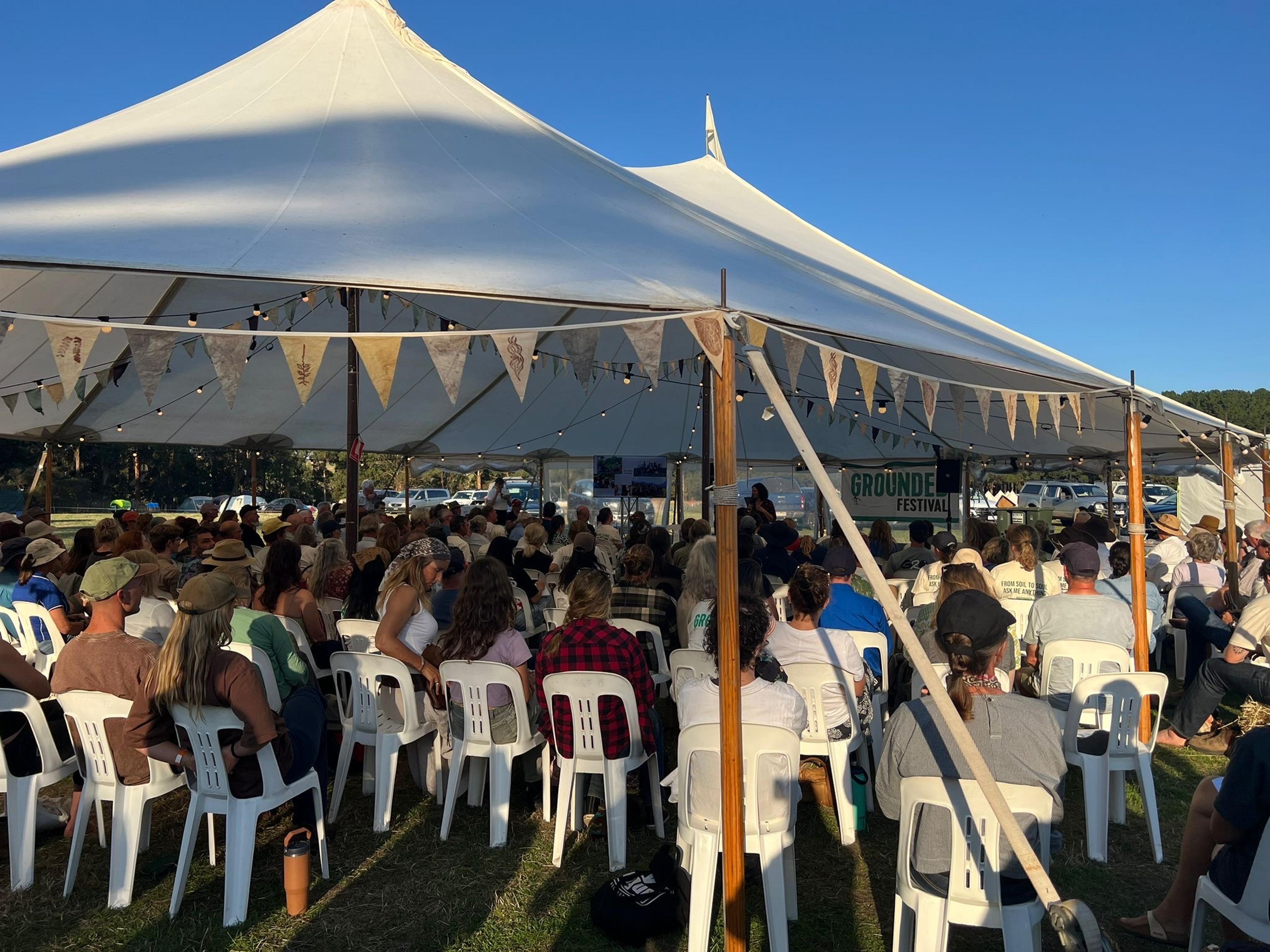
At Grounded Festival, our CEO, Murray Gray, co-hosted a session with Siobhan Toohill called Follow the Money. They asked a crucial question about how we fund environmental and social progress: do we need to change finance, or finance change?
Here is a breakdown of the two main perspectives on this issue, and a third path forward that bridges the gap.
The Case for "Financing Change" (Using the current system)
One side argues that the current financial system already has the massive amount of money and scale needed to tackle today's challenges. Because changing the entire financial system could take decades that we simply don't have, we should use the financial tools and experts that are already in place.From this perspective, the goal is to redirect existing money towards regenerative projects. To do this, we need clear standards, good data, and a steady stream of solid projects that meet the needs of investors. It also requires translating the realities of nature and farming into language that traditional businesses and financial groups already understand and can embed into their models.
The Case for "Changing Finance" (Building a new system)
The opposing view argues that the basic rules of our current financial system clash with how nature actually works. Because past attempts to fund progress haven't solved our deepest crises, this group believes we need a fundamental rethink.They warn that if we just use the old financial frameworks, we risk extracting wealth away from local communities and nature. Instead, we need to shift power back to the people closest to the ground, like farmers and local groups. This requires a complete redesign of how we define "value," "risk," "returns," and the timelines we work within, ensuring that money serves life and nature rather than just chasing quick profits.
The "Radical Middle"
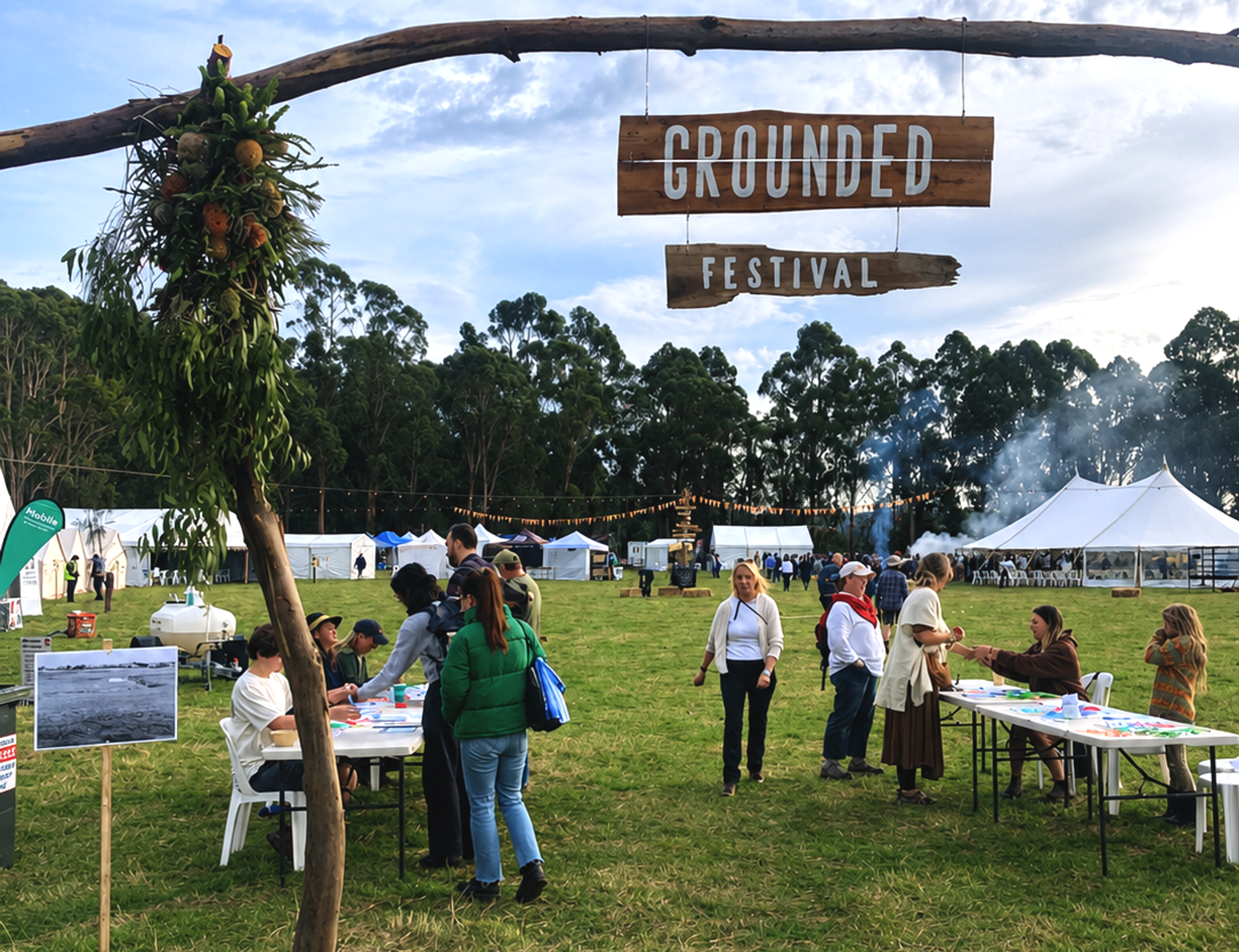
At Grounded Festival, when participants were asked to physically position themselves between working with the current financial system or building a completely new one, they didn't just pick one side. Instead, many positioned themselves in what we call the "radical middle". Standing in the radical middle means focusing on these key actions:
- Finding common ground
We must build a bridge between the financial world, the realities of nature, and the needs of local communities so everyone is working toward the same goals. - Adapting existing tools
Instead of throwing away the current system, we take the financial architecture we already have, while fully recognising where it falls short and adjust these tools to better support the land and the people working it. - Looking beyond profit when defining value
We have to fundamentally rethink our "success" metrics so that money moves in service of life, nature, and communities. This means redesigning how we measure value, risk, returns, and time horizons. Instead of only asking "how much money did this make this quarter?", we use broader metrics to define a project's true success. This could include measuring improvements in soil health and local biodiversity, tracking the creation of fair-paying jobs, or valuing a farm's long-term resilience against droughts. - Building local power, capability, and wealth
A major priority is shifting the power imbalance and giving control back to those closest to the ground. This means partnering with farmers and local groups to use existing financial tools in a way that helps them take back power and build their own long-term wealth. - Testing and developing new ways of financing
While leveraging the tools we already have, we must also continuously test out new governance, financing, and incentive structures that actually fit nature's timeline and local needs
Do you lean toward working strictly within the existing financial system, or do you believe we need to change the system entirely? Or, like many of us, are you ready to step into the radical middle?