Building Resilient Landscapes from the Ground Up: Outcomes from the Regenerative Grazing Connect Workshop
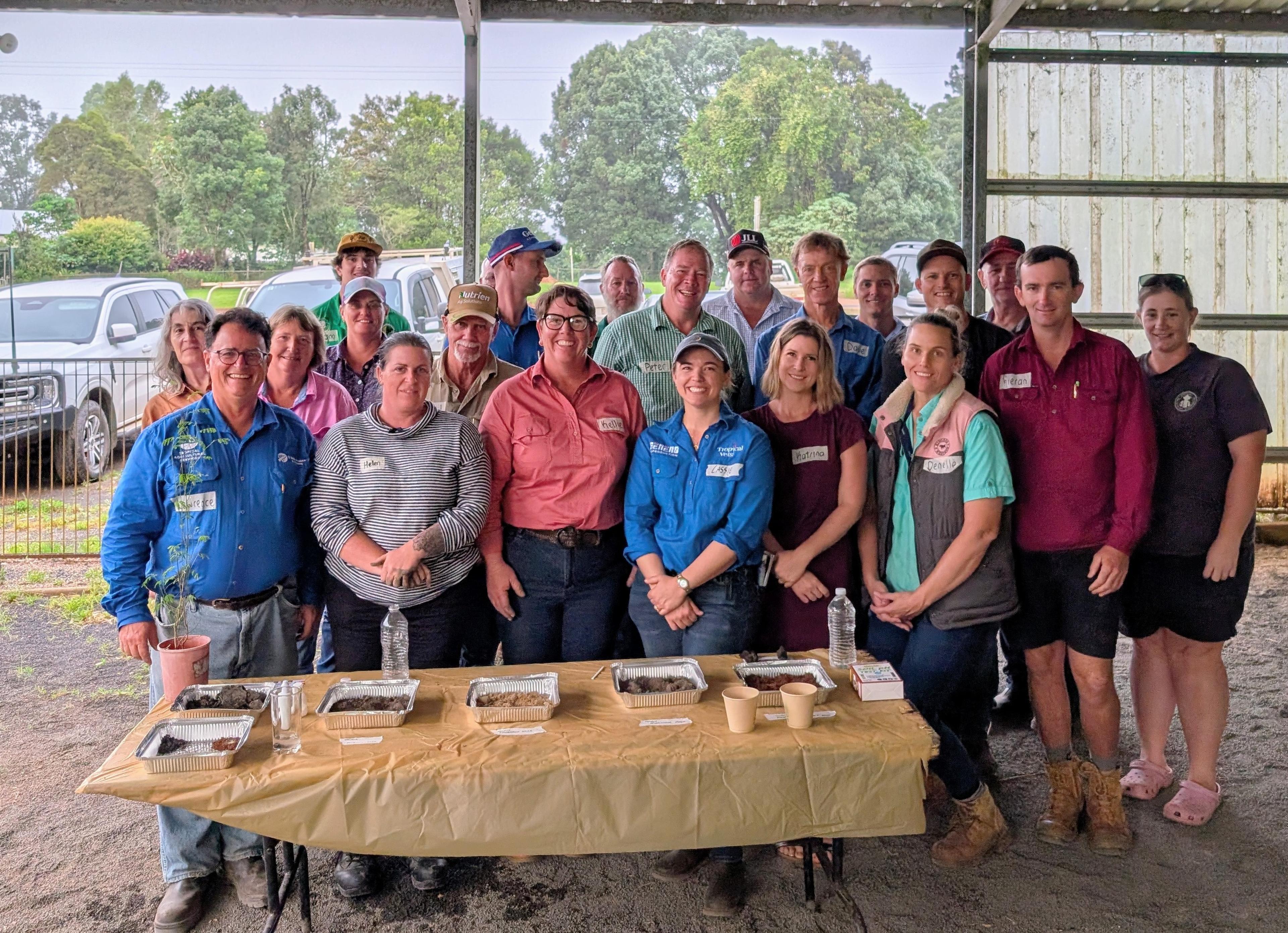
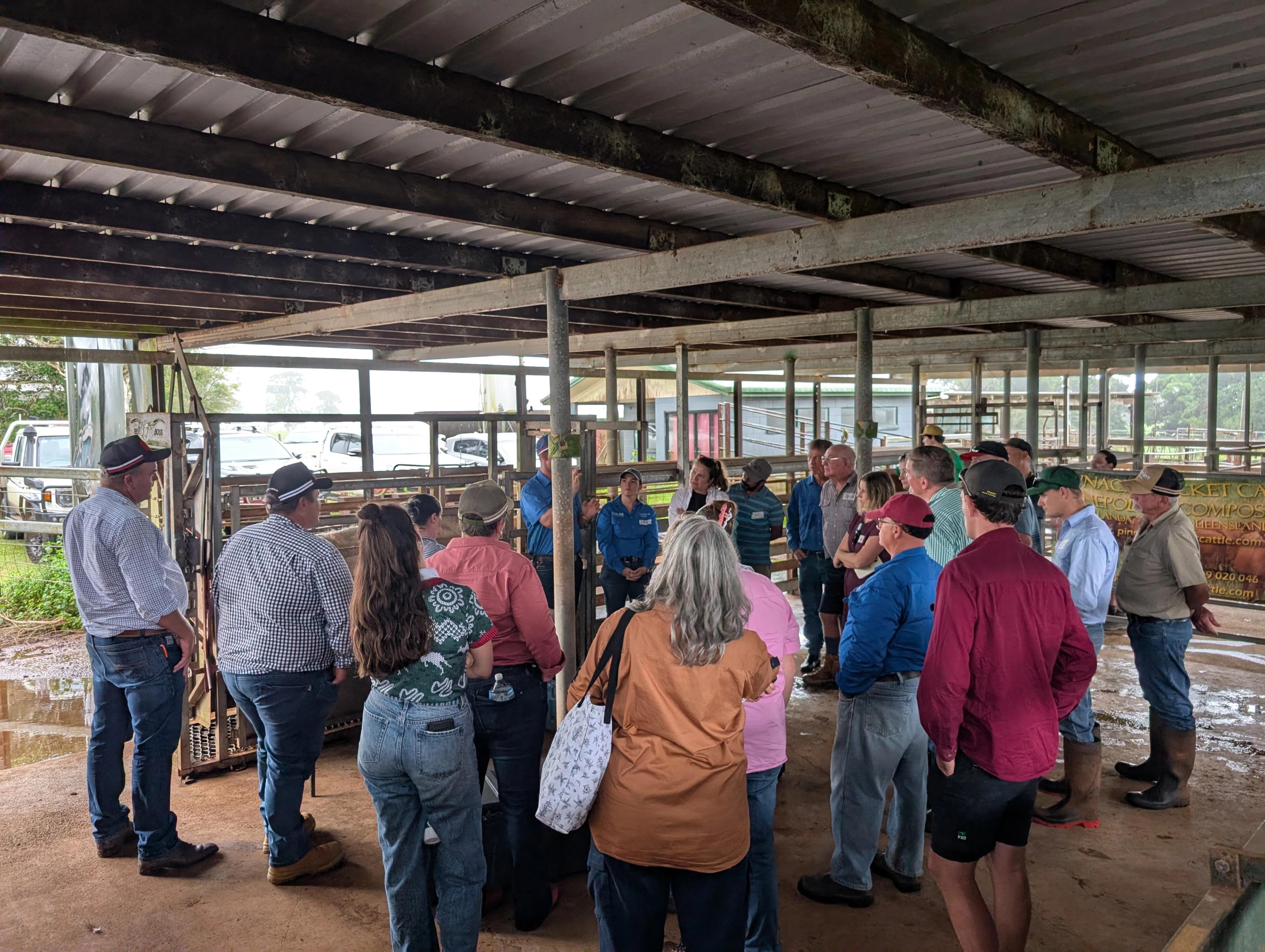
In April 2026, 30 graziers and industry practitioners gathered at Butchers Creek Hall on the Atherton Tablelands for the Regenerative Grazing Connect Workshop: a two-day, hands-on learning experience designed to strengthen soil health, boost pasture productivity and improve water quality flowing to the Great Barrier Reef.
The workshop, delivered as part of the Atherton Tablelands Integrated Collaboration project (ATIC), was led by agronomist and soil scientist Peter Spies of Pinnacle Pocket Consulting, in partnership with Lawrence Di Bella of Tropical Agricultural Services and supported by presenters from Tropical Vets and the Department of Primary Industries.
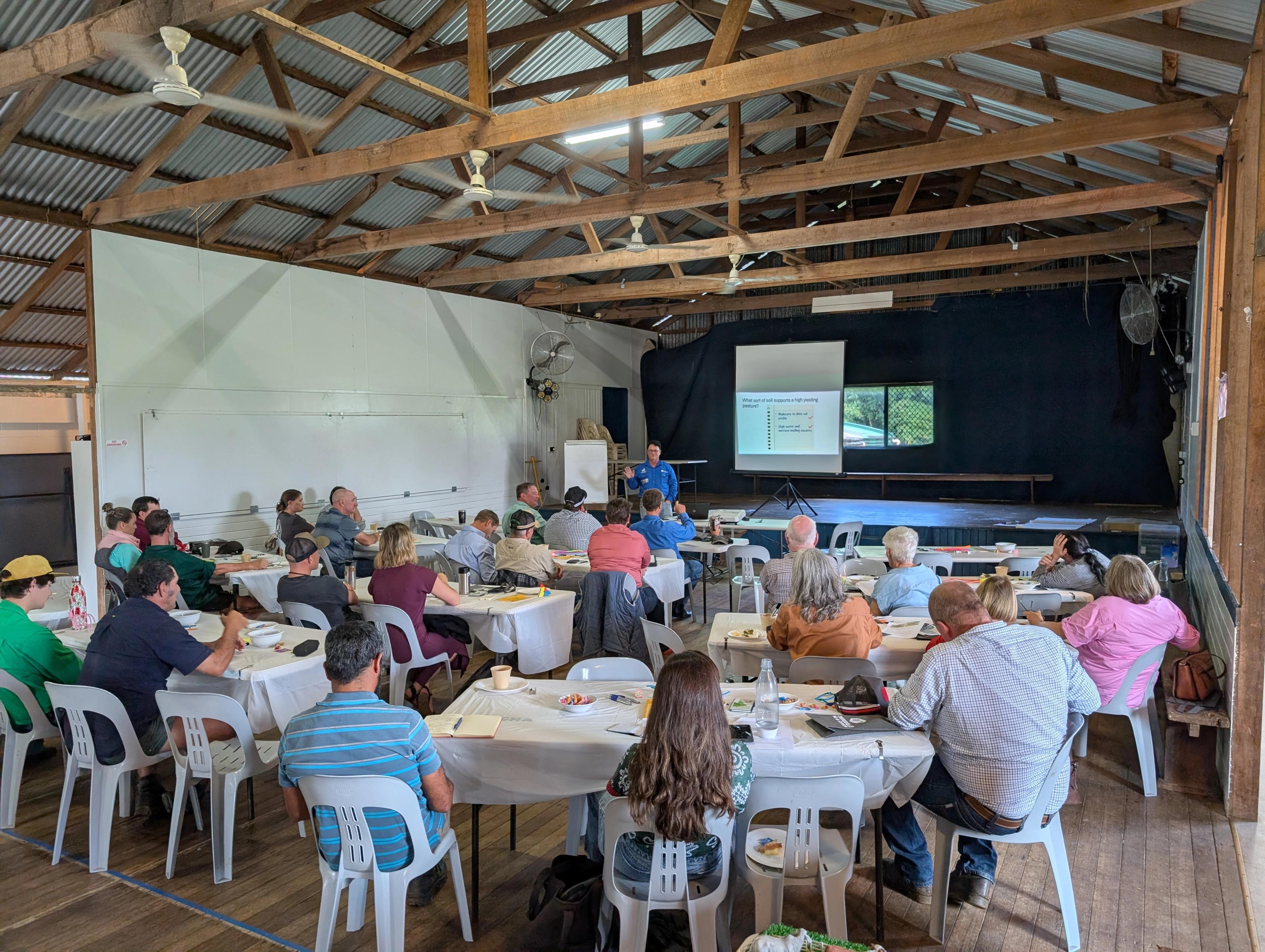
It opened with a Welcome to Country from Michelle Malki, Ngadjon Traditional Owner, grounding the event in a deeper understanding of land stewardship. Michelle spoke about Traditional Owners as the first farmers, sharing a holistic worldview that centres working with nature rather than against it, and emphasised the importance of two-way learning and knowledge sharing.
Grounded in Practice
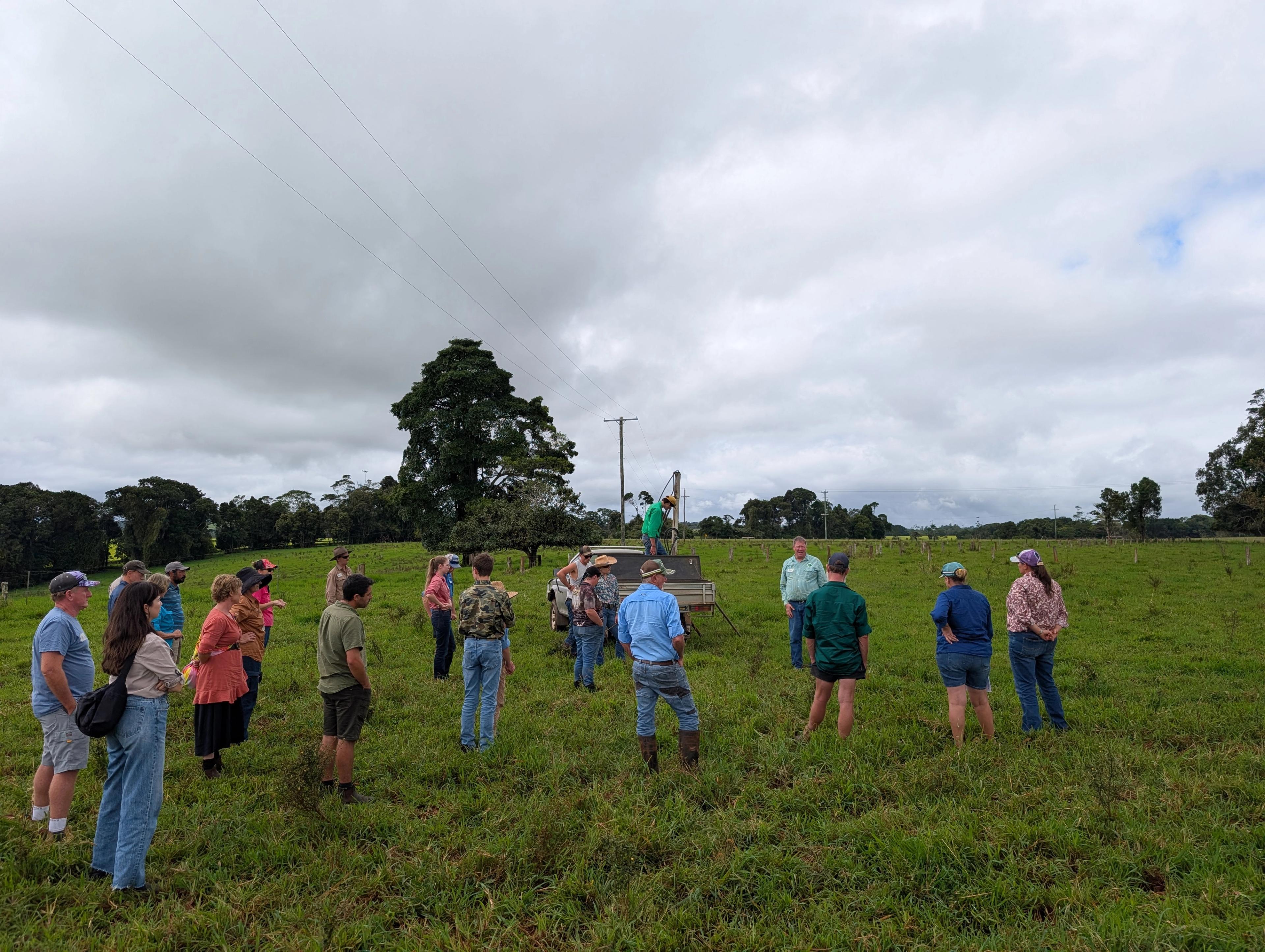
The workshop combined classroom sessions with paddock-based demonstrations, reflecting a strong emphasis on learning by doing. Across two days, participants engaged with topics including:
- Soil health fundamentals and testing techniques
- Pasture monitoring and improvement strategies
- Grazing management tools and stocking rate decisions
- Groundcover assessment and ecological indicators
- Livestock nutrition and breeding efficiency
- Farm economics and profitability drivers
“Ag professionals and producers need to look for hard, quantifiable evidence rather than anecdotes to ensure that any regeneratively focused system of livestock production systems perform and deliver the quality of the product and regenerate the resources that agriculture depends on. That being soil, water and biota. It also needs to be economically viable. Regenerative approaches should be based on science and leveraged with technology.” said Peter Spies, workshop lead.
Building Momentum Through Peer Learning
Beyond technical skills, the workshop created space for peer-to-peer knowledge exchange, a critical driver of lasting practice change.
Participants worked collaboratively to interpret soil and pasture data, compare management approaches and share on-ground experiences and challenges. This group learning model not only accelerates knowledge uptake but also builds confidence to trial new practices.
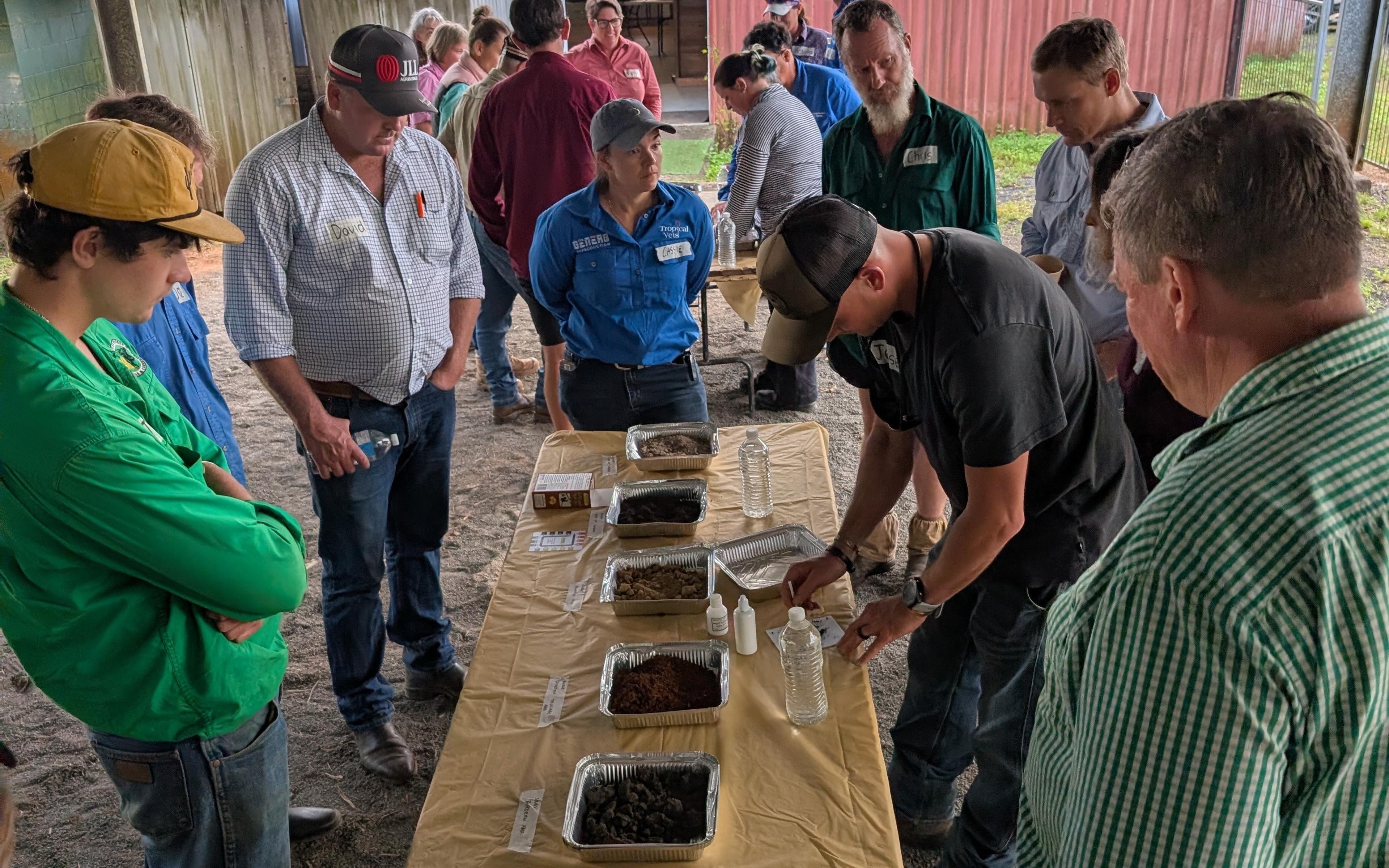
“Attending the Regen Grazing Connect Workshop gave us practical ideas, but also something just as valuable, confidence. As relatively new landholders restoring a steep, previously overgrazed property and building a future for our young family, hearing from others further along the path made regenerative grazing feel far more achievable, especially on land shaped by waterways, springs and wetlands. We came away with fresh thinking around soil, livestock, water and landscape function, and a stronger sense of belonging to a community working toward healthier farms and waterways.” said participant Katrina Girling.
Strong Signals for Change
Feedback from participants highlighted both the immediate impact of the workshop and the demand for continued support.
- 97% said the workshop met their expectations
- The majority rated sessions highly for relevance and engagement
- Practical demonstrations and soil-focused sessions consistently scored above 9/10
Importantly, the workshop also sparked interest in longer-term collaboration:
- 88% of participants support forming a regenerative pasture group
- 88% expressed interest in being involved
This signals a readiness within the region to move beyond one-off events toward ongoing, locally driven learning networks.
“Workshops like these are important to give local producers a good understanding of how to best look after and get the most out of their soils through management and testing, improving pasture and knowing how to assess the right carrying capacity for their property. Through optimising these skills, producers can achieve better weight gains for their cattle, sustain good pasture condition all year round, while ultimately improving water quality for the environment.” said participant David Andersen.
Looking Ahead
The Regenerative Grazing Connect Workshop demonstrates what’s possible when science, local knowledge and peer learning come together.
With strong participant engagement and clear demand for ongoing support, the next step is to build continuity through networks, further training and collaborative learning opportunities.
For the Atherton Tablelands, this represents more than a workshop. It’s the beginning of a long-term transition toward more resilient grazing systems, benefiting farmers, landscapes and water quality of the Reef.
Pinnacle Pocket Consulting was able to present this workshop, thanks to successfully securing a grant through the Atherton Tablelands Integrated Collaboration (ATIC) Education and Capacity Building Grant Program.
The $3 million ATIC project is jointly funded through the Queensland Government’s Queensland Reef Water Quality Program and Sustainable Table.