Building Momentum: Collaborative Logistics Pilot Extended for 16 Weeks
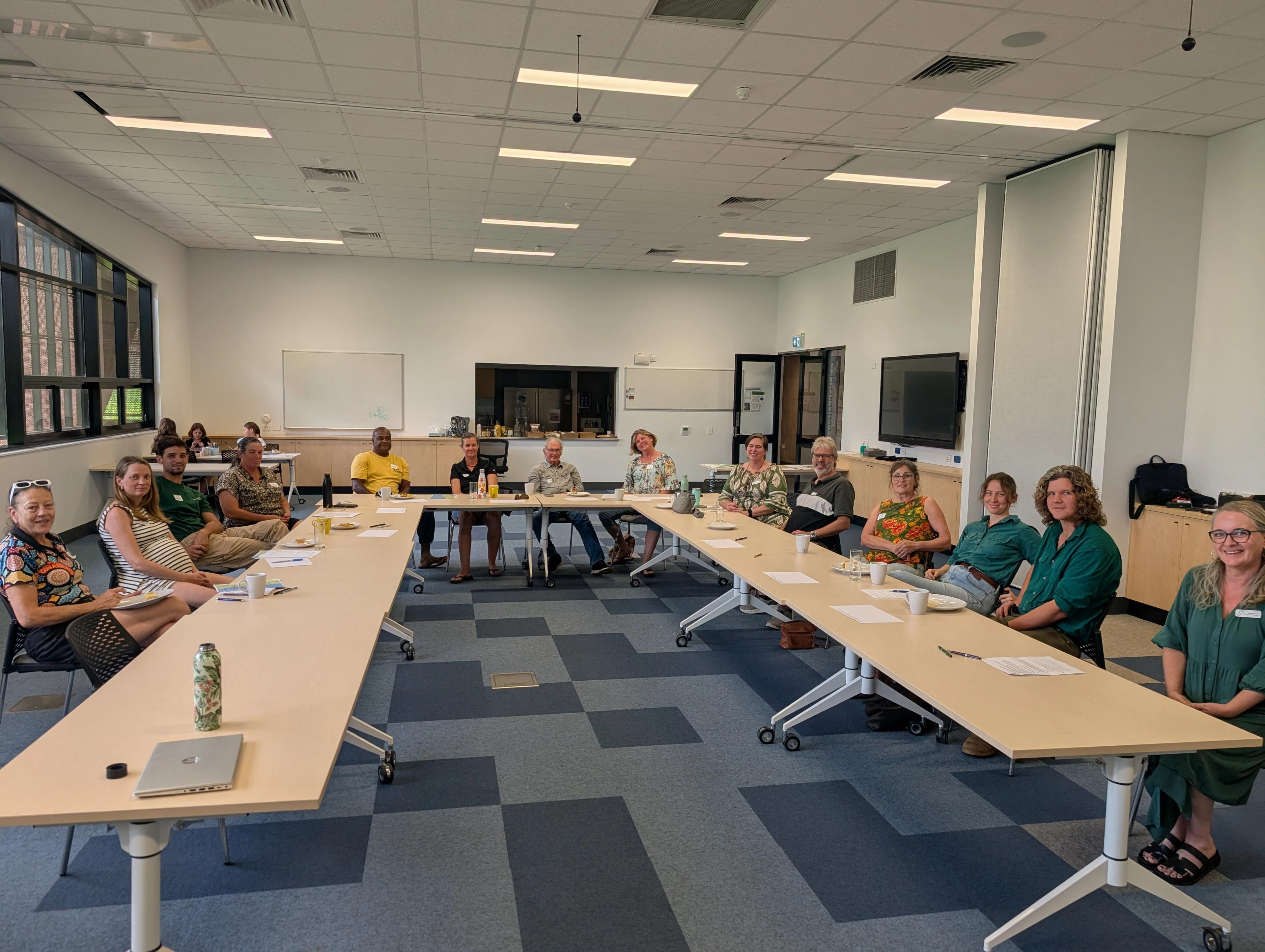
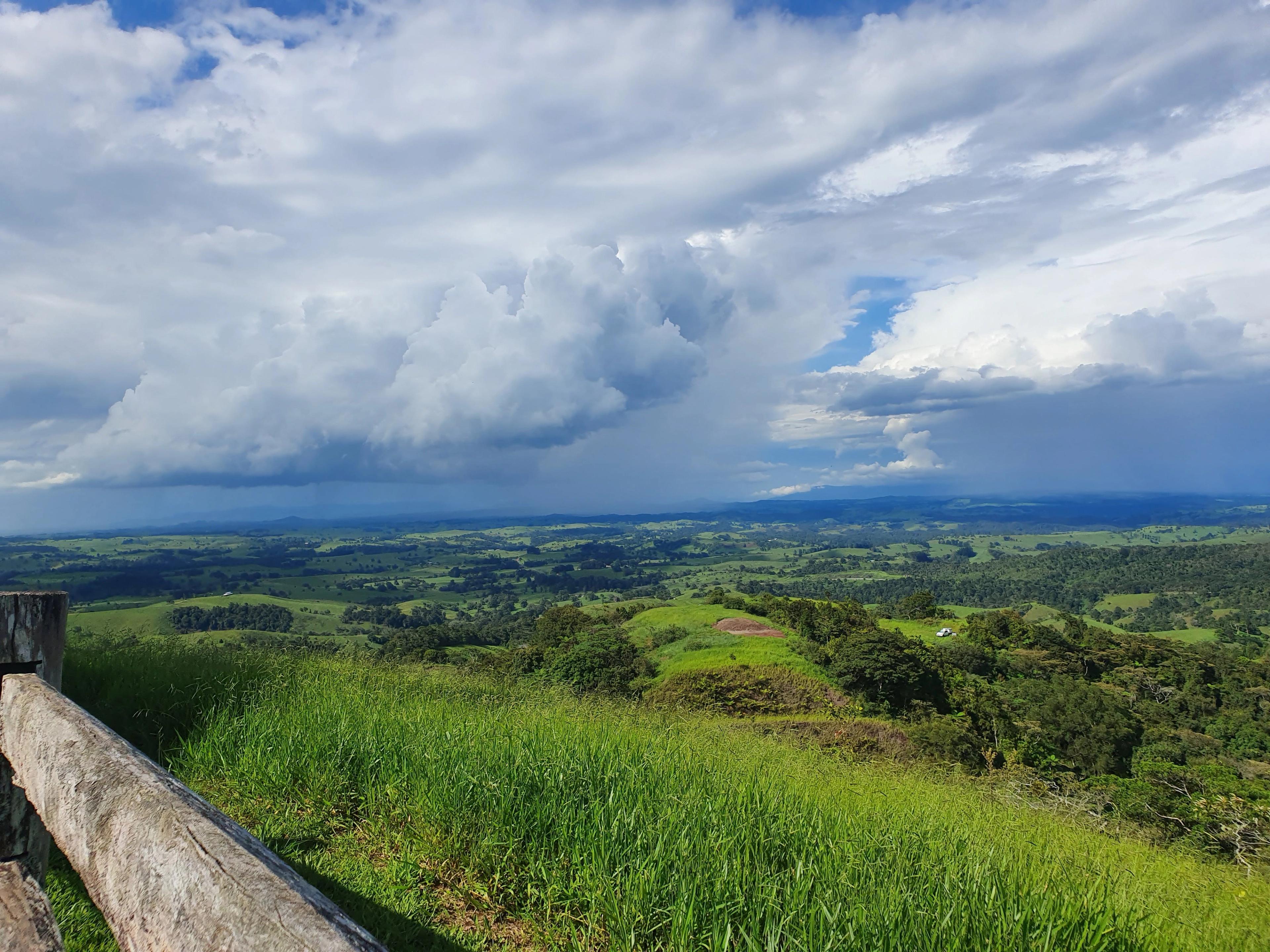
Following a successful first phase, the Collaborative Logistics Pilot in the Atherton Tablelands was extended to 27 March 2026, marking an important step in strengthening Far North Queensland’s local food system.
As part of the broader Atherton Tablelands Integrated Collaboration (ATIC), the pilot continues to demonstrate how shared logistics can connect growers, retailers, and hospitality, keeping food local, reducing time and fuel use, and opening new market opportunities for small producers.
This pilot complements other ATIC initiatives including the Farmer Education and Practice Change Implementation Grants, which aim to help growers adopt regenerative practices across the region, and improve water quality in the Great Barrier Reef.
Growing Impact
During the initial months, the pilot has recorded:
- 3 delivery trips per week, averaging 350 kilometres per loop, over 10,000 kilometres travelled so far.
- Up to 424 boxes of produce moved per month, with weekly volumes growing from 12 boxes in the quietest week to 124 in the busiest.
- 16 active participants, supported by around 30 passive participants, including businesses receiving produce or samples through shared runs.
- Produce moved so far includes pumpkins, potatoes, sweet potatoes, garlic, ginger, turmeric, eggs, bananas, papayas, coconuts, microgreens, mangoes, mushrooms, watermelon, limes, and finger limes. Several locally-made products have been transported too.
- Multiple new connections formed between growers, retailers, wholesalers, and hospitality venues — with new direct grower-to-hospitality sales taking place from week seven of the pilot. This is expected to grow once new ordering systems are implemented for the region.
Stories of Change
Alan Fraser (Feed Me Feed Me Microgreens), who grows microgreens, previously only delivered as far as Mareeba because he didn’t have access to a refrigerated vehicle. Now, through the pilot, he’s supplying Kuranda, Cairns, and other coastal markets, expanding his reach and improving freshness.
Serena Hooper (The Organic Collective) and Louisa Casino (Wholesome Kuranda) both used to spend a full day each week driving across the Tablelands to collect local produce, without refrigerated transport. The pilot has saved them many hours on the road, reduced fuel and maintenance costs, and allowed them to buy more produce locally instead of relying on freight from Brisbane.
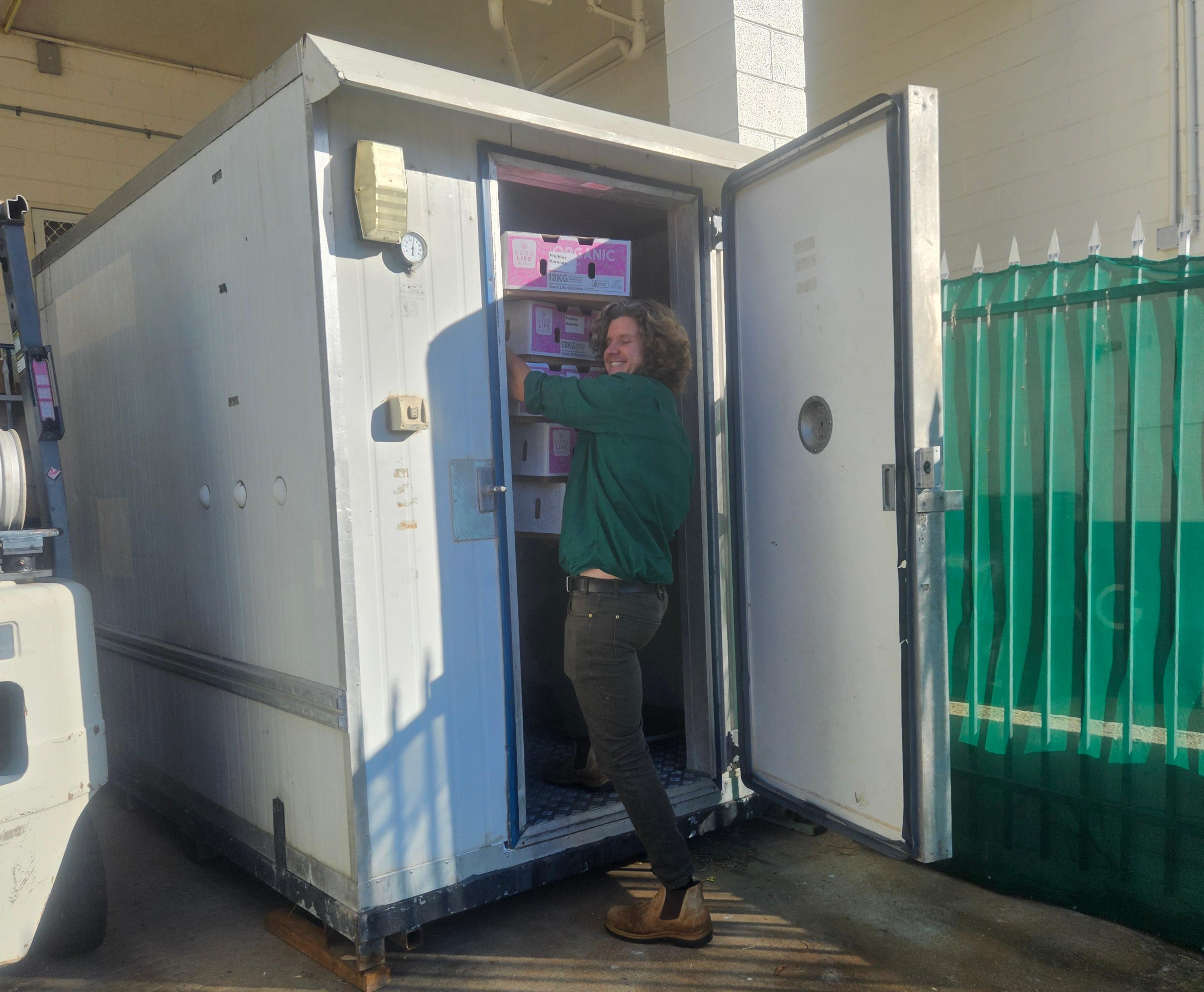
Fruibies Kuranda saw an even greater impact. Some of the locally grown fruit they use previously travelled over 3,000 kilometres weekly to Brisbane and back. Now, the pilot ensures those boxes travel just 120 kilometres from farm to store, dramatically cutting food miles and providing customers with fresher produce.
Previously, around 10 separate vehicles, including farmers, shop owners, and freight carriers, were making overlapping runs with partial loads. The pilot has streamlined this into a single coordinated system, reducing duplication and improving efficiency across the region.
What Participants Are Saying
“Before the pilot, we were travelling from Kuranda to Atherton and Tolga to collect local organic produce. Sometimes we had to skip local suppliers altogether. Now we can spend more time in the business and support more local growers — my stress levels have reduced too.”
— Louisa Casino, Wholesome Kuranda
“It’s been great to have produce delivered to Cairns more frequently. It means I can move more produce and save time and transport costs, which has allowed us to pass a discount onto the customers!”
— Serena Hooper, The Organic Collective
“My delivery was wonderful! It came nice and early so my team was able to receive it. It’s wholesome to know the produce wasn’t going all the way down to Brisbane and then back to us.” — Cassie, Fruibies Kuranda
“It helps make better use of what I grow.”
— Alan Fraser, Feed Me, Feed Me Microgreens
Looking Ahead
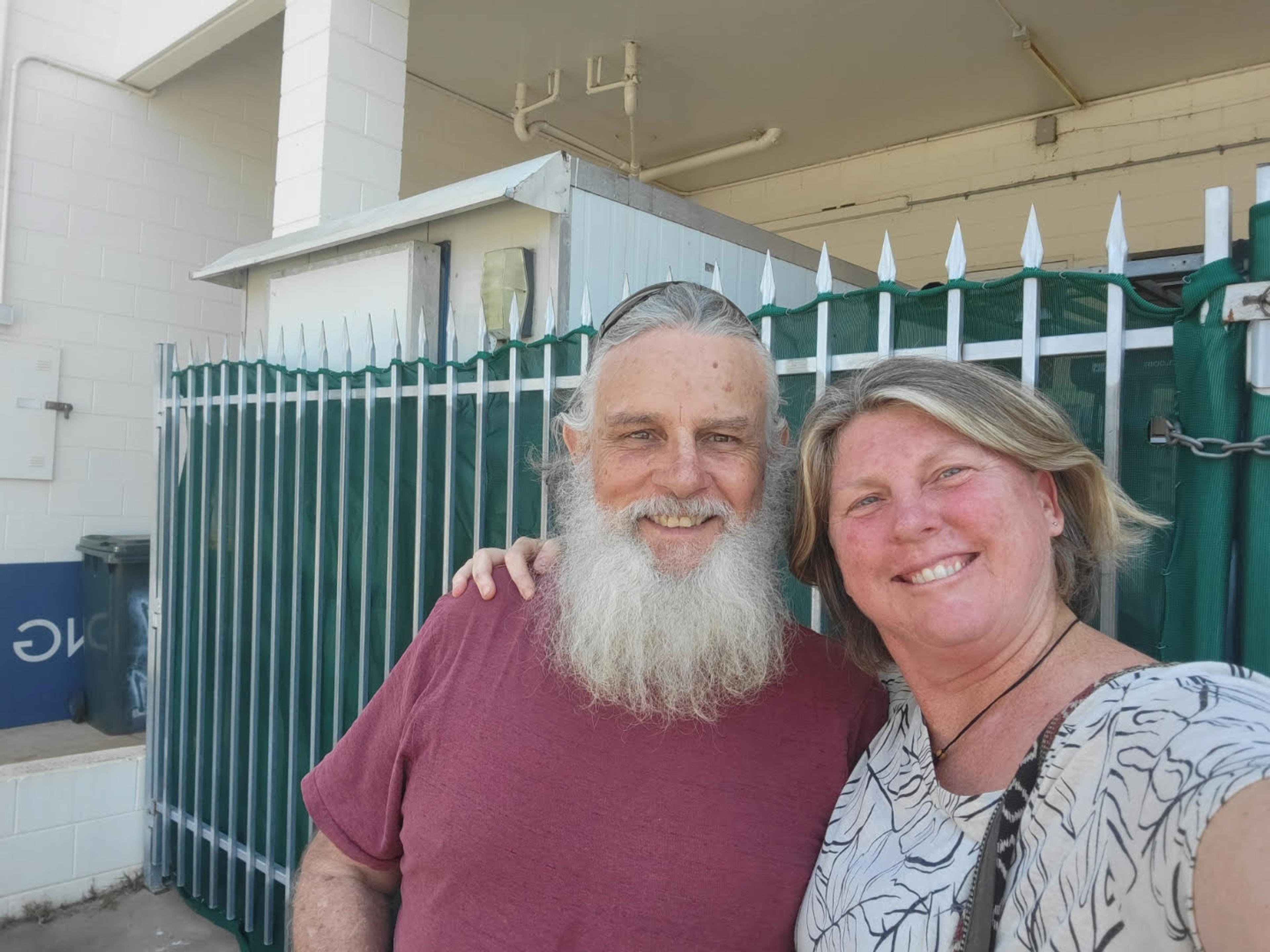
With the pilot now extended, the next phase is about building on what’s working and expanding participation. We’re currently looking for more growers to join the pilot. New participants will help strengthen routes, increase efficiency, and ensure a broader range of local produce reaches nearby communities.
Phase 2 will focus on:
- Exploring more low-cost, locally owned logistics models for long-term resilience.
- Assessing vehicle and storage capacity as volumes increase.
- Continuing data collection to guide decision-making.
- Supporting coordination and exploring tools like Open Food Network or Upstock to enhance efficiency and transparency.
The Collaborative Logistics Pilot is showing that collaboration and shared logistics can reshape regional food systems, creating stronger supply chains, reducing waste, and keeping more value in local communities.
Growers or buyers interested in taking part can get in touch with FNQ Food Activator, Bel Moore at belinda@sustainabletable.org.au or 0419 760 759.
The $3 million Atherton Tablelands Integrated Collaboration (ATIC) is jointly funded through the Queensland Government’s Queensland Reef Water Quality Program and Sustainable Table.