Bringing the big to finance the small: Lessons from Violet
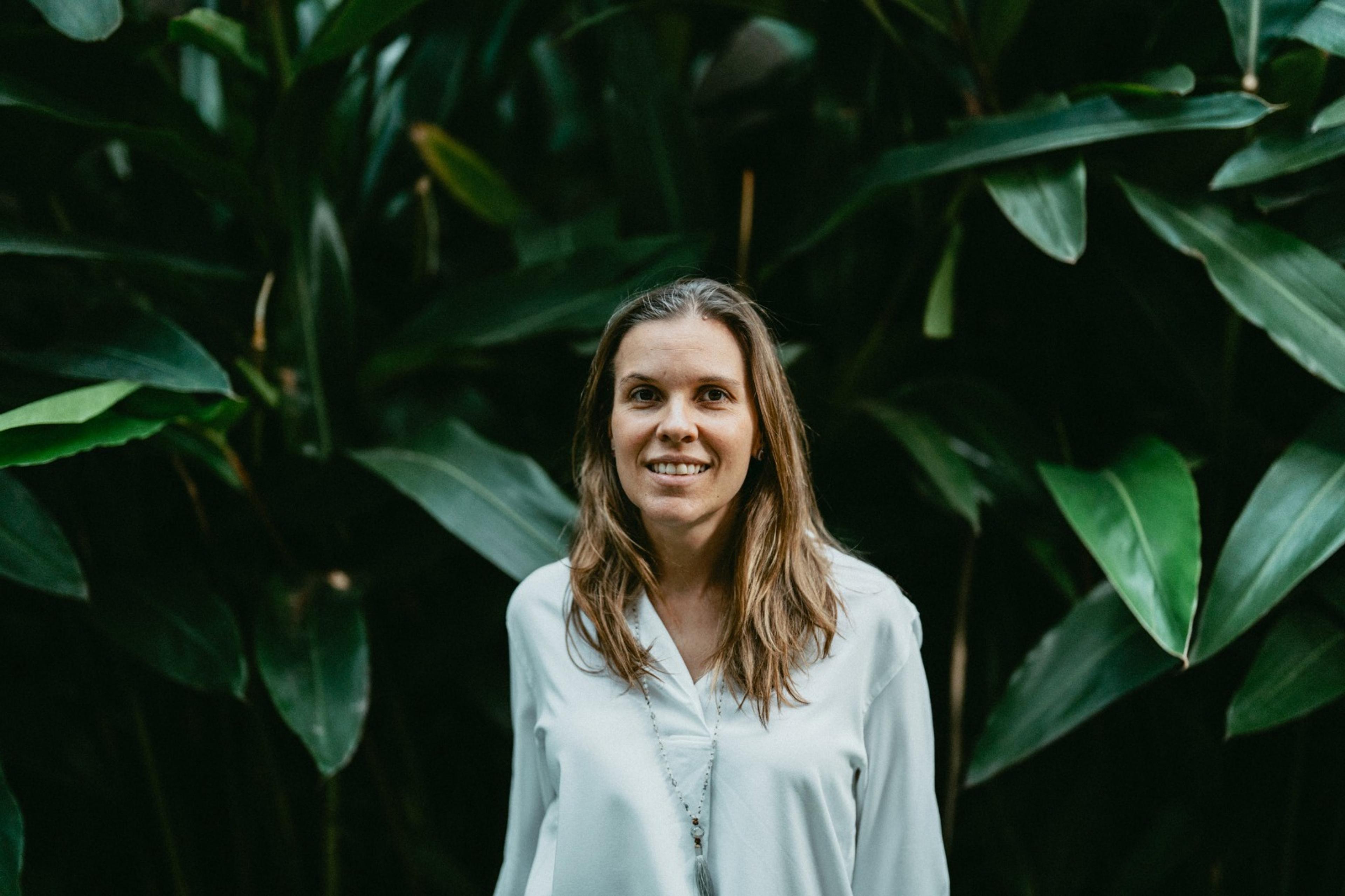
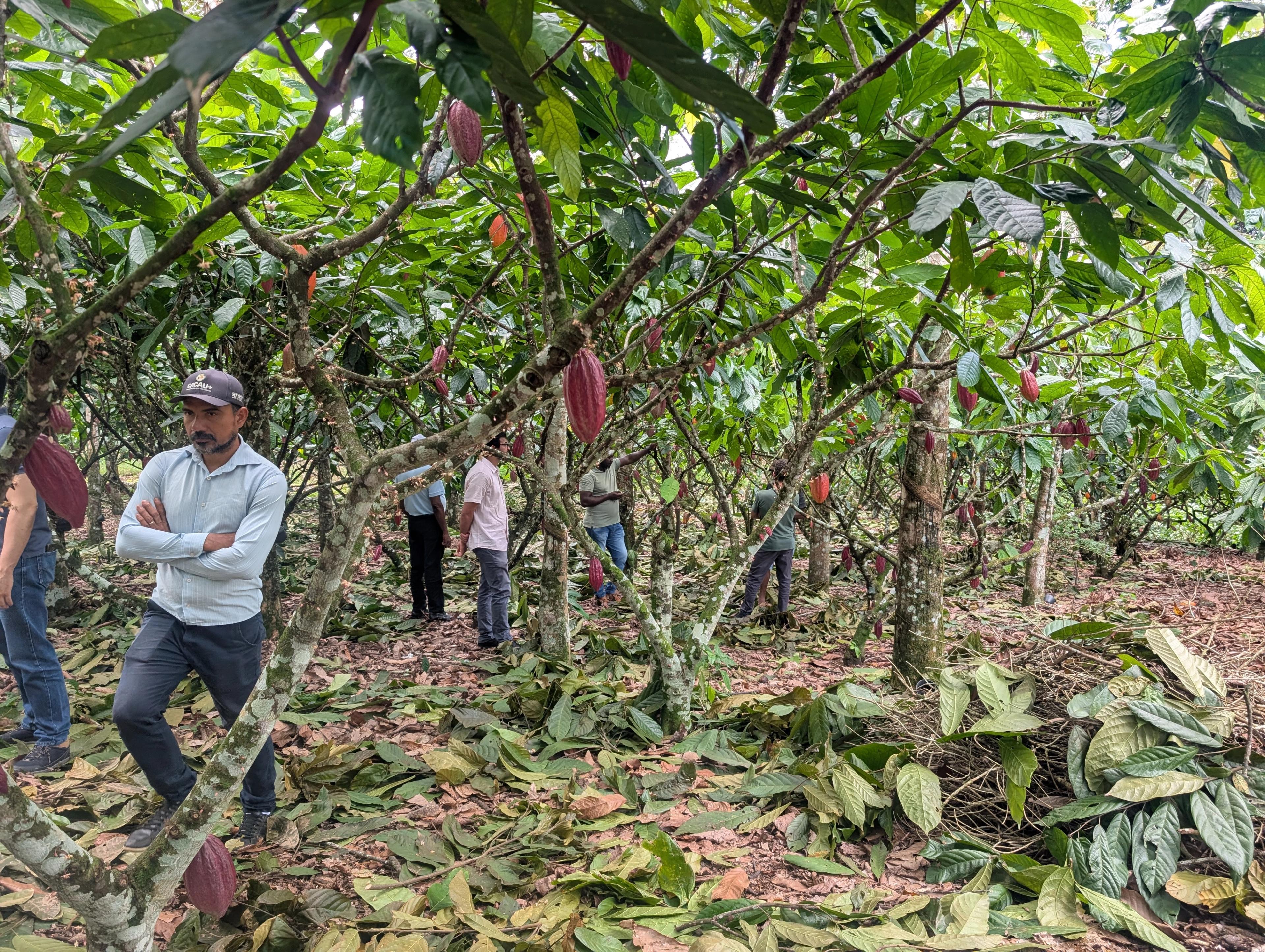
At the top of a steep climb in the Amazon, Martha looked out over a sea of trees. Forest stretched in every direction. In that moment, Martha de Sá, founder of Violet, was struck by how much was at stake. “You don't get this two or three times, only once. So we really need to do something right now, not in 10 or 20 years."
“Being there is very different from a picture or a video; it changed everything.” It was also the moment two parts of Martha’s world began to come together: what she was seeing in front of her and 15 years of experience using financial innovation to bring investors into areas they didn’t yet understand. “How do you create the same logic to bring investors in and explain something they don't know?”

That question has shaped much of Martha’s work since. Through Violet, she is now building financial and technical infrastructure designed to help capital reach farmers, communities and nature-based enterprises that conventional finance can struggle to serve. At the heart of that work is translation: understanding what is happening on the ground, and turning it into financial structures that investors can understand and trust.
At the smallholder level, that means pairing finance with technical assistance to improve agricultural productivity and financial education to help farmers access and manage credit. “When you have this combination of access to capital plus technical assistance, you create a path.”
What makes Martha’s perspective particularly valuable is that she has spent much of her career working on exactly this problem: how do you get capital to move into places, sectors and businesses that conventional investors don’t yet understand?
It is a challenge that feels familiar in Australia. Martha’s work offers a useful window into what it takes to bridge that gap.
Martha grew up in São Paulo, close to Faria Lima, the centre of Brazil’s financial industry. It was a world she knew well from the outset, even if she didn’t initially see herself building a career in it. At university, many of her peers moved straight towards banking “because it was the hyped thing,” but Martha resisted that path.
She was more interested in strategy and problem-solving, in understanding how businesses worked and how complex challenges could be approached differently. That led her into a strategy role at a holding company, before finance gradually pulled her back in.
A friend of her uncle later encouraged her to join a hedge fund. And she said, “No, I'm not going to be a trader.” She did, however, eventually join the firm to launch its new business and new products area, a role much closer to the strategy work she enjoyed: “designing structures and financial solutions, understanding problems and how we could solve them with a specific financial instrument”.
It was 2007, and the banking sector was collapsing. “Our first project was with the real estate sector, and the problem was real estate securitisation. We ended up pivoting into agriculture securitisation, because in Brazil there was an instrument created a few years earlier called the CRI, a real estate receivables certificate, and then the CRA, the agribusiness receivables certificate. So we said, okay, let's go from real estate to the agri sector, because there's the equivalent instrument. But we didn't know anything about it.”
When the company she was working for came under pressure, Martha left with a partner and started a new business from scratch, this time focused on agriculture. Two years later, they secured their first major client, a large agricultural inputs company.
Over the next two years, they designed what Martha describes as Brazil’s first CRA backed by receivables from the “last mile”: the farmers, retailers and cooperatives buying agricultural inputs. But creating the instrument was only half the challenge. They also had to convince mainstream investors to put money into a sector they barely understood. “We brought traditional investors to invest in the agri sector for the first time, and they didn't understand it.”
Their solution was to bring in credit insurance, which protected investors if borrowers failed to repay. It didn’t remove agriculture's underlying risks, but it meant investors no longer had to carry all of them themselves. For investors entering a sector they didn't yet understand, that protection made the opportunity easier to assess and back. “That was how we could bring mainstream investors to something they didn't know.”
It would become a recurring theme in Martha’s career: understand why capital is hesitant, then build the structure, evidence and relationships needed to make participation possible.
Martha now found herself operating in two male-dominated worlds: “The financial market is a male thing, and agri even more.” Much of her work took her out of the office and into farming regions, where she was often one of the few women in the room, a city dweller, introducing unfamiliar financial structures to producers who were often sceptical of what she was offering. “I was doing traditional agriculture, grains, soybeans, corn, cotton, but a lot in the field, doing what I call the ‘agri road show’, visiting farmers to understand them and pitch the solution.”
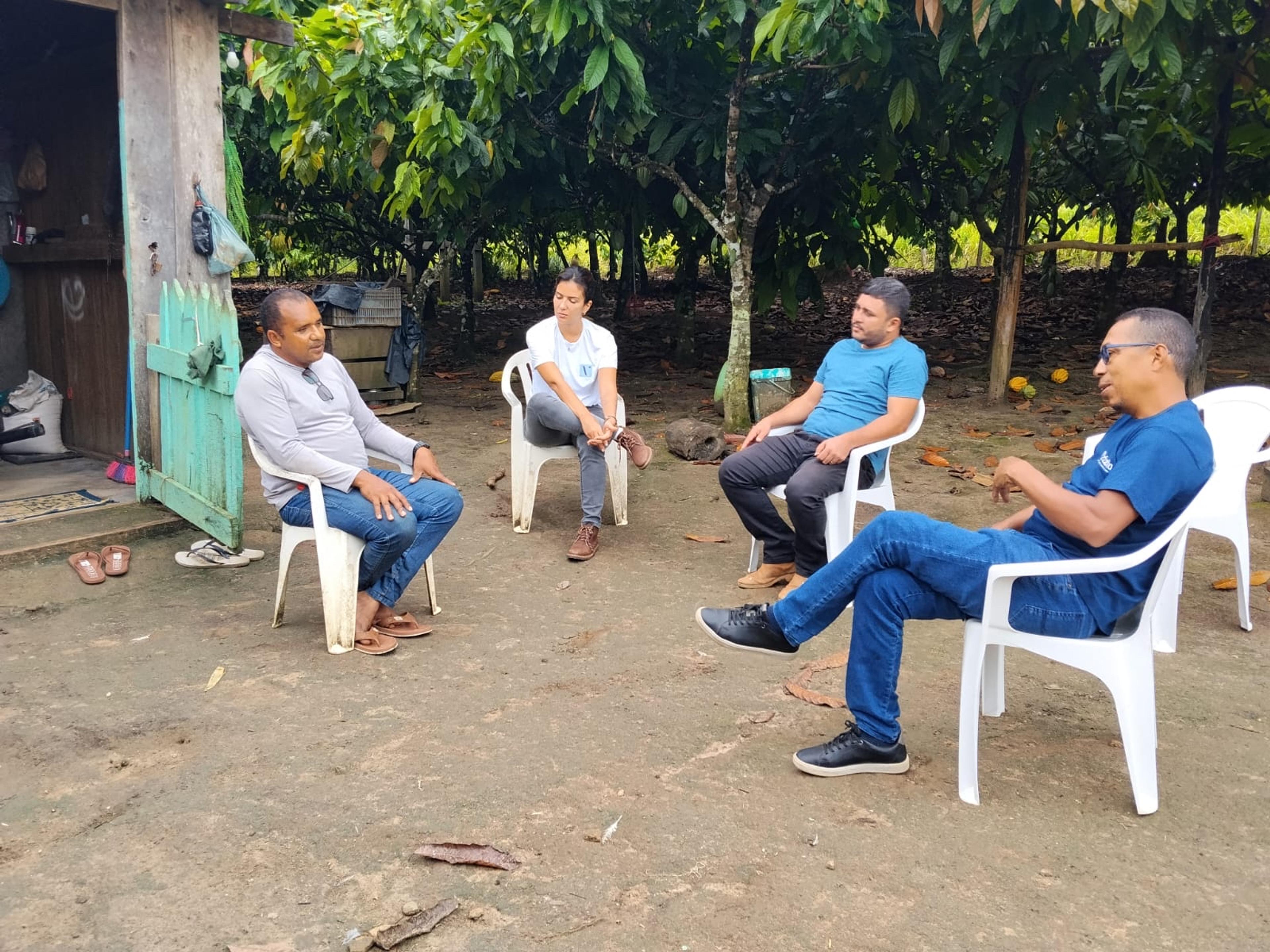
She usually travelled with local field agents who knew the farmers and the context, but even with that support, gaining trust could be difficult. “I was never alone. I went with the field agent. But even with him it was hard.” And the response was not always encouraging. “They were like, ‘You're crazy. I don't understand what you're saying, get out of here.’”
Those experiences pushed Martha to think much more carefully about how financial ideas were communicated and introduced. “We created a playbook: how to engage people across the country, how to create a financial solution that was easy for them to sell, how to build a revolving capital-markets structure.”
Over time, the approach worked. Martha and her team developed a repeatable model that eventually facilitated billions of reais in agricultural finance.
That work laid the foundations for what came next. In 2016, Martha co-founded VERT with her sister and a friend. VERT is a Brazilian financial services company focused on debt capital markets infrastructure, helping businesses structure and access finance across sectors including agriculture, fintech and real estate. Since then, VERT has structured more than 490 operations and issued over R$142 billion (around US$26 billion).
Through VERT, Martha built deep experience designing financial structures, bringing investors into unfamiliar markets and working out how to make those structures scalable.
Violet grew from that experience, but with a more specific focus: applying that financial expertise to regenerative agriculture, nature and communities that conventional finance often struggles to reach.
By 2021, Martha had begun applying the same financial problem-solving to nature and communities in the Amazon. Through an open call for blended finance proposals, VERT was selected to develop what became the Living Amazon Mechanism.
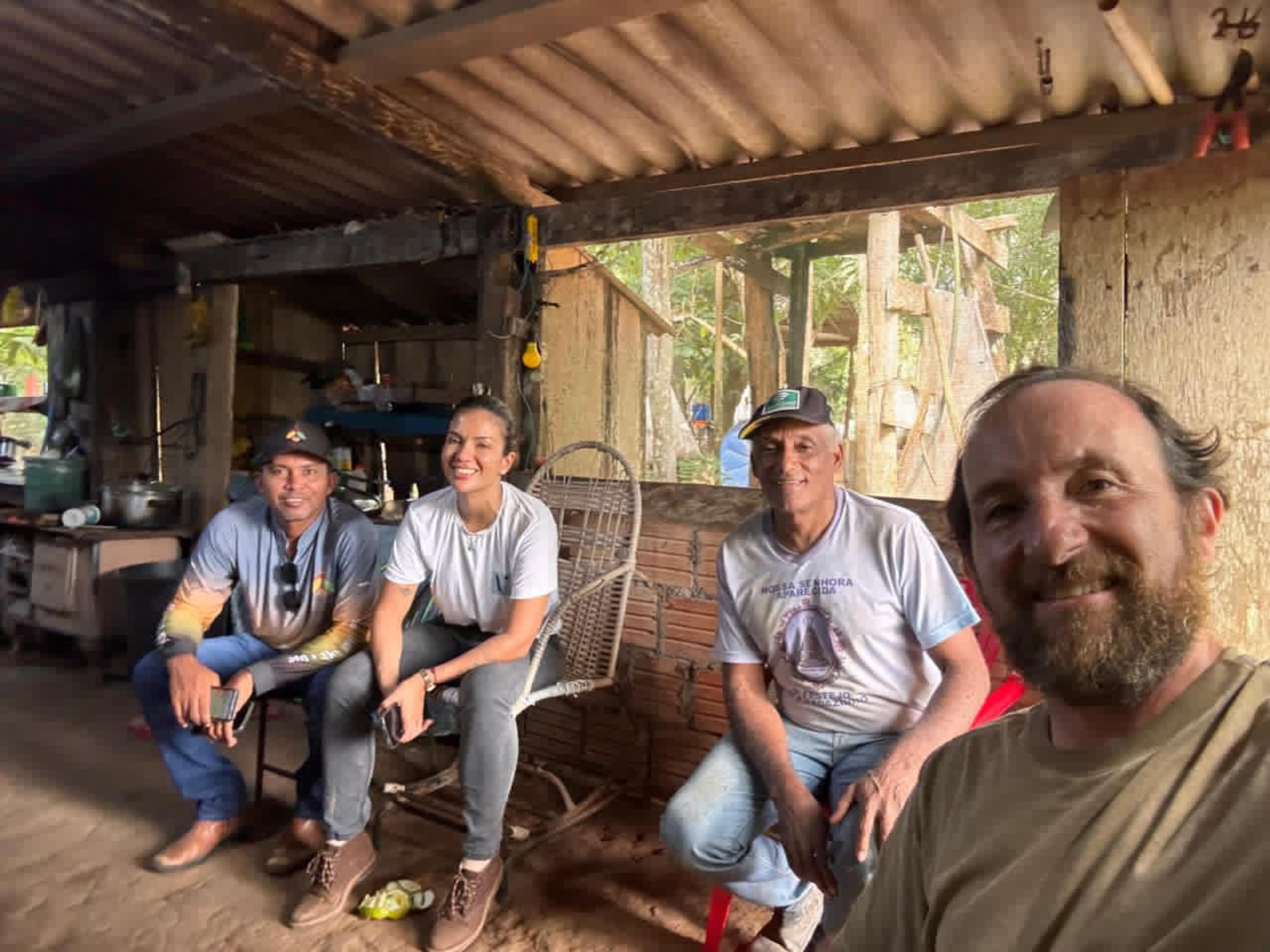
The challenge was significant. Many people producing food and other products across the Amazon are smallholders and forest communities, often working with the surrounding ecosystem and producing a diverse mix of crops and forest products for different markets. In Brazil, this forms part of what is known as the bioeconomy.
These communities can be difficult for conventional finance to reach. Distance, transport and connectivity are major barriers, while access to finance, technology, technical support and business management capability can be limited.
The Living Amazon Mechanism responds by providing revolving credit to farmer cooperatives, with an average ticket of around US$100,000, alongside technical assistance focused heavily on management.
Natura, one of Brazil’s largest cosmetics companies and a long-term buyer of ingredients sourced from Amazon communities, is an important part of the model. As a committed buyer, it gives cooperatives greater certainty that there is a market for what they produce, helping make it easier for institutional investors to provide capital into an area that has traditionally been difficult to finance.
For Martha, it proved something important: “I can bring the big to finance the small.”
But there was a problem. Raising and structuring the capital was taking far too long. “We were taking two years to finance $2 million. A very negative P&L, and nobody wants to do that.” They had shown institutional capital could reach smaller communities and enterprises, but the time and cost involved meant the model wasn’t yet scalable. For Martha, that didn’t mean the model wasn’t worth pursuing. It meant the infrastructure needed to change. “I thought, someone needs to.”
In early 2024, she spun this area of work out of VERT into Violet, a financial infrastructure company specifically focused on helping capital reach regenerative agriculture, nature and community-based enterprises that traditional finance often struggles to serve. Unlike VERT’s broader capital markets focus, Violet is dedicated to nature and regenerative finance, combining tailored financial products with technical assistance, technology and local partnerships to help those enterprises access and use capital successfully at scale.
The model looks different depending on the context, but there are some common ingredients. Farmers are typically provided with finance on terms that reflect how their business actually works. This finance is paired with technical assistance to help improve productivity, adopt regenerative practices and strengthen financial and business management. The aim is not only better environmental outcomes, but a stronger farm business too, through improving productivity, reducing reliance on costly inputs and, where possible, securing better prices. For Martha, proving that regenerative practices can make economic sense for the farmer is critical to seeing them adopted at scale.
For Martha, access to capital is only part of the equation. It needs to be paired with the technical support that helps farmers put that capital to work. “If they don't access credit today, it's very hard for them to implement regenerative practices, because those require upfront investment that gets repaid later.”
Modern technology is a critical part of Violet’s model, helping make small, dispersed borrowers more visible to the financial system. Loans can be signed through WhatsApp and disbursed within one business day, while Violet uses public data and satellite imagery to assess borrowers and monitor risk.
Underpinning this is AgroID, Violet’s data backbone, which brings together information on farmers, their properties and production. That helps create a clearer picture of each borrower and can unlock access to finance, insurance and other services.
Violet works with local organisations and advisers who already have relationships with farmers, bringing practical knowledge alongside the capital. But most importantly local trust. “The farmer doesn't want to talk to me, doesn't trust me, doesn't know me. Who's the local partner in that municipality, that region, who knows the farmers and has local trust? That's how we scale.”
Behind this sits a blend of different types of capital. Philanthropy can fund technical assistance or take on some of the early risk, making it possible for institutional investors to provide the larger pool of capital. Buyers can also play a role through longer-term purchasing agreements, giving farmers more certainty about where their product will go and finance providers more confidence in the businesses. In this model, philanthropy does not need to provide all the capital. It can help fund the support, evidence and risk-sharing that allows larger pools of investment capital to follow.
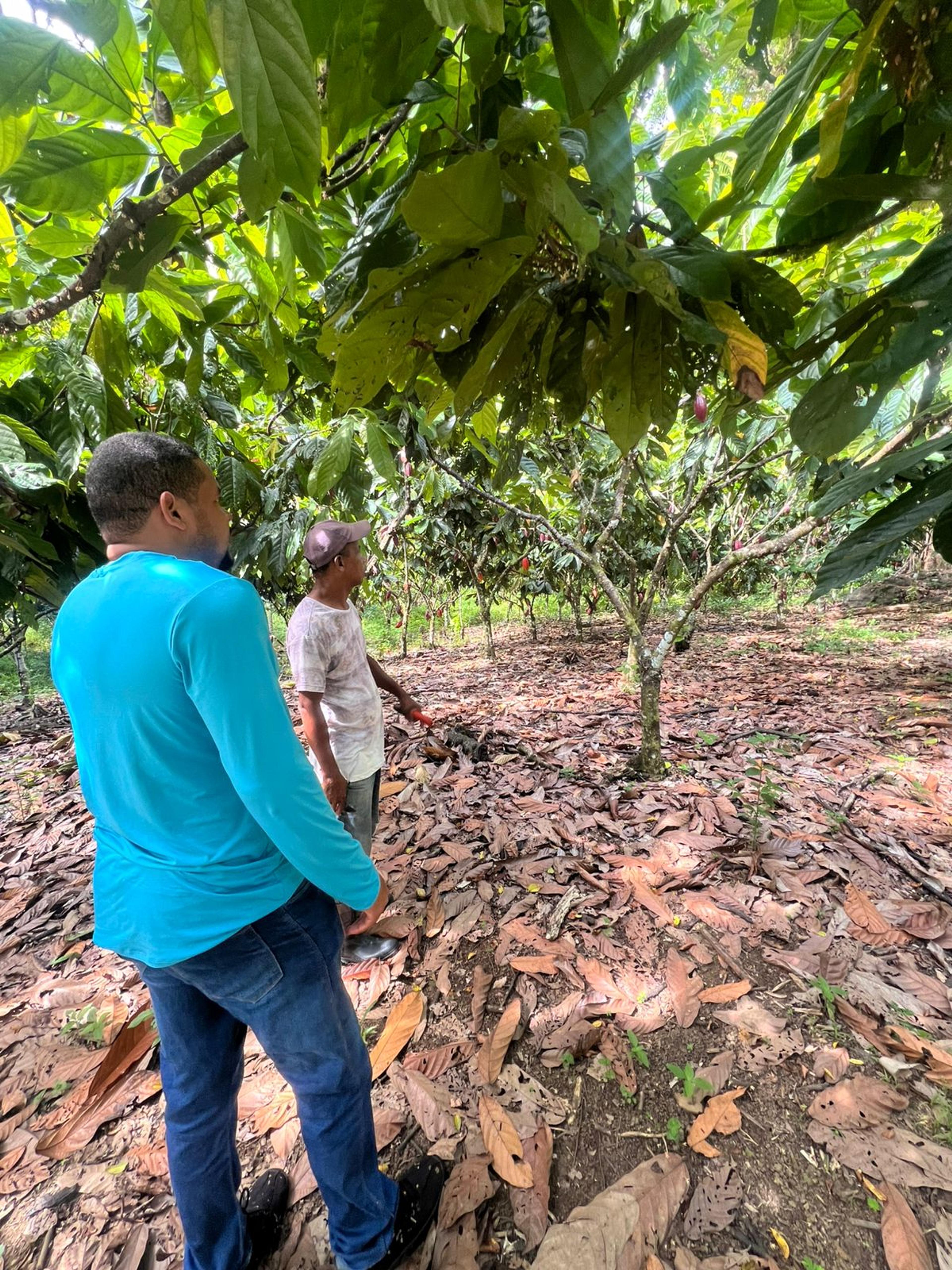
Kawá, Violet's fund for smallholder cocoa farmers, builds on the track record of its field partners, whose farmers have historically increased productivity by 50 per cent and income by 60 per cent over three years, with default rates below one per cent. “The increase in productivity pays off the loan. And then they start seeing value in the new practices.”
Martha wants to take the economic case further. She imagines building a simple profit and loss model from the farmer’s perspective, showing three things: a higher price for what they produce, lower costs through replacing conventional inputs with cheaper biological alternatives, and improved productivity. “If it’s economically profitable, they’ll do it, not because they think regenerative is greener and they’re hugging trees, but because they’re earning more.”
For Martha, regenerative agriculture becomes mainstream when the economics stack up. “Once you prove it’s economically viable, it transforms naturally into mainstream. You don’t need to pitch the green thing.”
But economics alone does not explain why a farmer might hesitate to change practices. Martha sees knowledge and risk as equally important. “Many times the farmer is reluctant about bio-inputs because they don’t know them. They perceive them as high-risk.” She describes this as a form of “risk arbitrage.” The farmer is being asked to carry the downside of trying something new. “If the guy buys bio-inputs and has a problem, the risk is all on him. Nobody’s sharing it.” For Martha, this opens up another role for finance: not simply providing capital, but finding ways to share some of the risk involved in transitioning to new practices.
Violet now works across dramatically different scales.
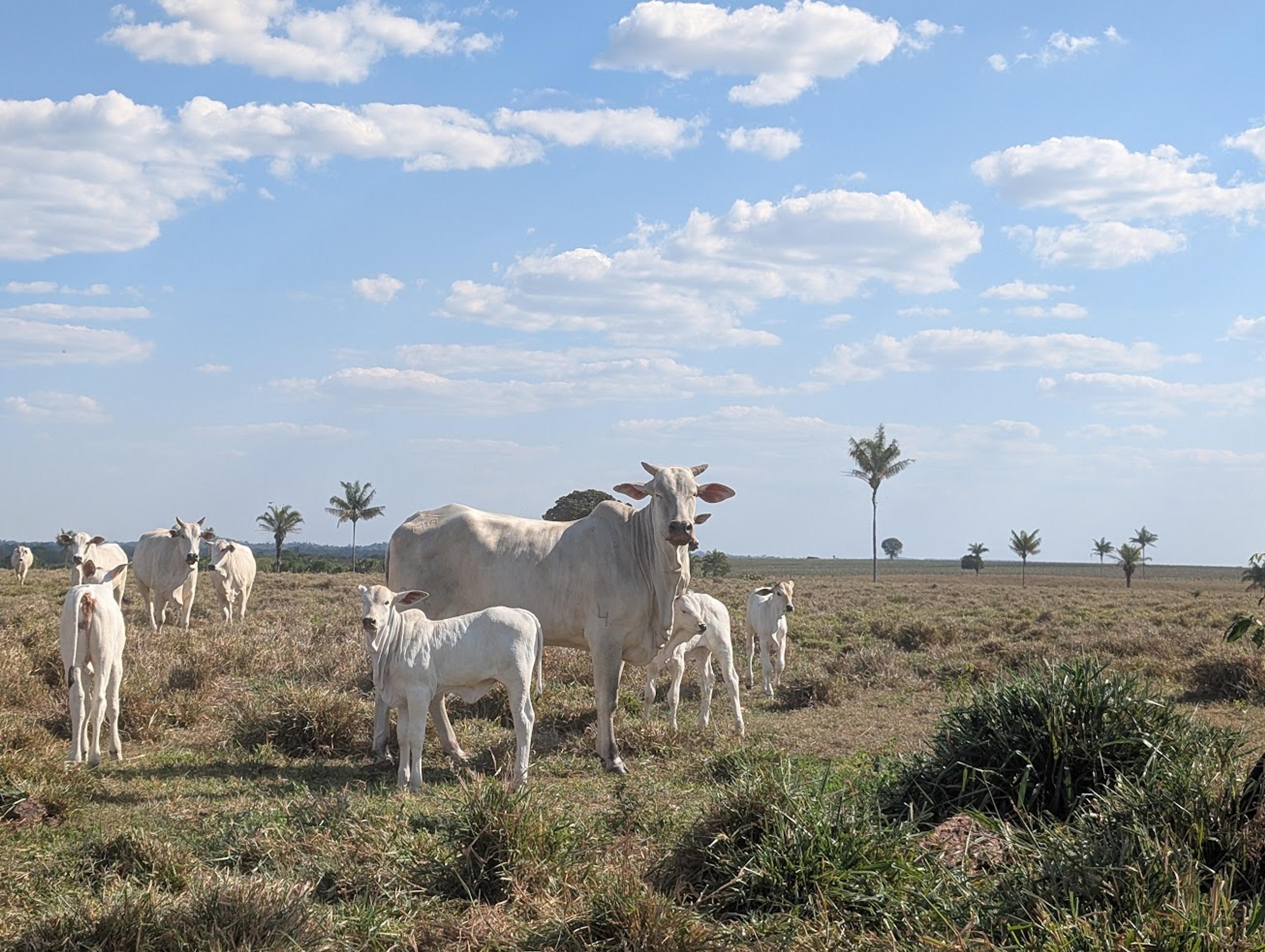
Kawá is designed to reach potentially thousands of smallholder cacao farmers in Brazil’s Atlantic Forest, many of whom are using agroforestry practices and have never accessed formal credit before. “Eighty per cent never accessed credit before,” Martha says. Designing finance for those producers requires accounting for literacy, connectivity, crop cycles and the realities of people operating businesses without necessarily being recognised by the financial system as businesses.
At the opposite end of the spectrum, Violet is working on a guarantee fund for large forest restoration projects, where individual tickets may average US$20 million. The scale, risks and financing needs are completely different from those of a smallholder farmer.
For Martha, this is precisely why financial products cannot simply be lifted from one context and applied to another. “Every time we create these structures, we go very deep to understand what the ideal financial product looks like.”
And it has to work on both sides. “You look at both sides interchangeably, because if it doesn’t work for one, it won’t work.” This ability to move between worlds is perhaps the clearest explanation of Violet’s role. Martha describes the company as a kind of “translation feature”.
At one end is a farmer who may communicate primarily through WhatsApp audio messages. At the other is an institutional investor expecting risk dashboards, reporting and detailed financial analysis. “You need to understand both sides with the same depth, otherwise you’re missing part of it.”
For Martha, that translation capacity is one of the biggest pieces of missing infrastructure in the market. “That’s what’s missing most today: speaking different languages, understanding both sides, and translating it into a financial mechanism, a loan, whatever, that really works.”
Technology is an important part of making that possible, but it is only one part of the model. Violet’s core capability sits across finance and operations, sustainability and technology, supported by networks of specialist and local partners who bring the relationships and context needed on the ground. Technology also helps build trust where distance limits direct interaction, creating greater transparency and filling gaps where data is otherwise sparse.
That combination of technical capability and trusted relationships is central to how Martha describes Violet. “The other day someone said they hire us because we’re a combination of brain and trust.”
The “brain” is Violet’s ability to understand complex problems and turn them into investable financial structures. The trust comes from the infrastructure around those structures: transparent processes, technology, reporting and monitoring, but also networks and long-term relationships. “The farmer would never let you in and tell you what’s going on without the right access and the right people alongside you.”
As Violet’s experience spending two years raising and structuring $2 million shows, this early stage can be slow, and there may be no shortcut at the beginning. For Martha, building confidence means doing the early deals, proving they work and giving investors something tangible to trust. “You don't go from zero to 100 without passing through that early convincing period, where you build the track record and show people it works.”
These lessons extend well beyond the Brazilian context. Across Violet’s different models, the ingredients are consistent: understand the context deeply and design finance around it; work with trusted local partners who bring specialist knowledge and relationships; pair capital with the technical support needed to make it succeed; and make sure environmental outcomes also make economic sense for the people doing the work. Different forms of capital have different roles to play, from philanthropy and institutional investment to committed buyers, while technology helps make finance more accessible, transparent and viable at scale.
Perhaps most importantly, Violet shows that it is possible to “bring the big to finance the small”, but only if there are practitioners able to translate between those worlds. Someone has to understand the realities on the ground, convert them into structures investors can understand and trust, and then keep those relationships working on both sides. That work is often slow, relational and difficult to see from the outside, but it is what allows capital to move at all.
None of this happens quickly. Building trust, proving what works and creating the track record that gives others confidence takes time. There is a patience to this work that sits in tension with the urgency of the problems Violet is trying to solve.
For Violet, the next step is making more of this work repeatable. Martha wants to move towards pre-structured deals and financial vehicles that can be adapted across different value chains, rather than starting from scratch each time. She is also exploring new ways to share risk and encourage regenerative practices, while looking at how Violet’s model could eventually expand beyond Brazil into other parts of Latin America, Africa and Asia.
While on face value it may appear there are clear differences between the regenerative agriculture sectors in Brazil and Australia, there are enough similarities that some of the lessons here hold. There’s a mix of small family farms and vast agribusinesses, an export orientation, a sophisticated financial ecosystem, a colonial history and period of rapid development to reckon with. Any of the barriers are recognisable: enterprises that are not yet considered investable, high upfront costs, a lack of suitable financial products, limited data and track record, and investors who are interested in regenerative agriculture but unsure how to assess or price the risk.
For funders and finance providers, that can mean getting closer to the work on the ground, seeing what enterprises actually need and being willing to co-finance alongside others. It also means helping build the track record and evidence that gives more investors the confidence to follow. Sometimes that means backing the work before there is a neat proof point, and helping create the evidence others are waiting to see.
That work takes time, and often starts small. But every example that works makes the next one easier. As Martha puts it, “It requires a bit of courage. But there’s no perfect timing; just do it, even if it starts small”