Farmer-Led Collective Abattoir Models
As abattoir closures continue to threaten the livelihoods of small to mid-scale livestock producers, farmer-led collective models are emerging as a powerful solution. To explore this further, Sustainable Table and the Australian Food Sovereignty Alliance (AFSA) co-hosted a timely online roundtable: “Farmer-Led Collective Abattoir Models.”
This session brought together four inspiring speakers who are leading or supporting collective abattoir initiatives in their communities. Each speaker shared their on-the-ground experience navigating governance, funding, construction, and regulatory hurdles to create community-owned and controlled processing facilities.
What We Covered
The roundtable brought together speakers from four distinct regions and models:
- Lauren Mathers – Murray Plains Meat Cooperative (NSW)
- Patrick O’Neill – Small Farmers WA (WA)
- Tammi Jonas – The Meat Collective @ Jonai (VIC)
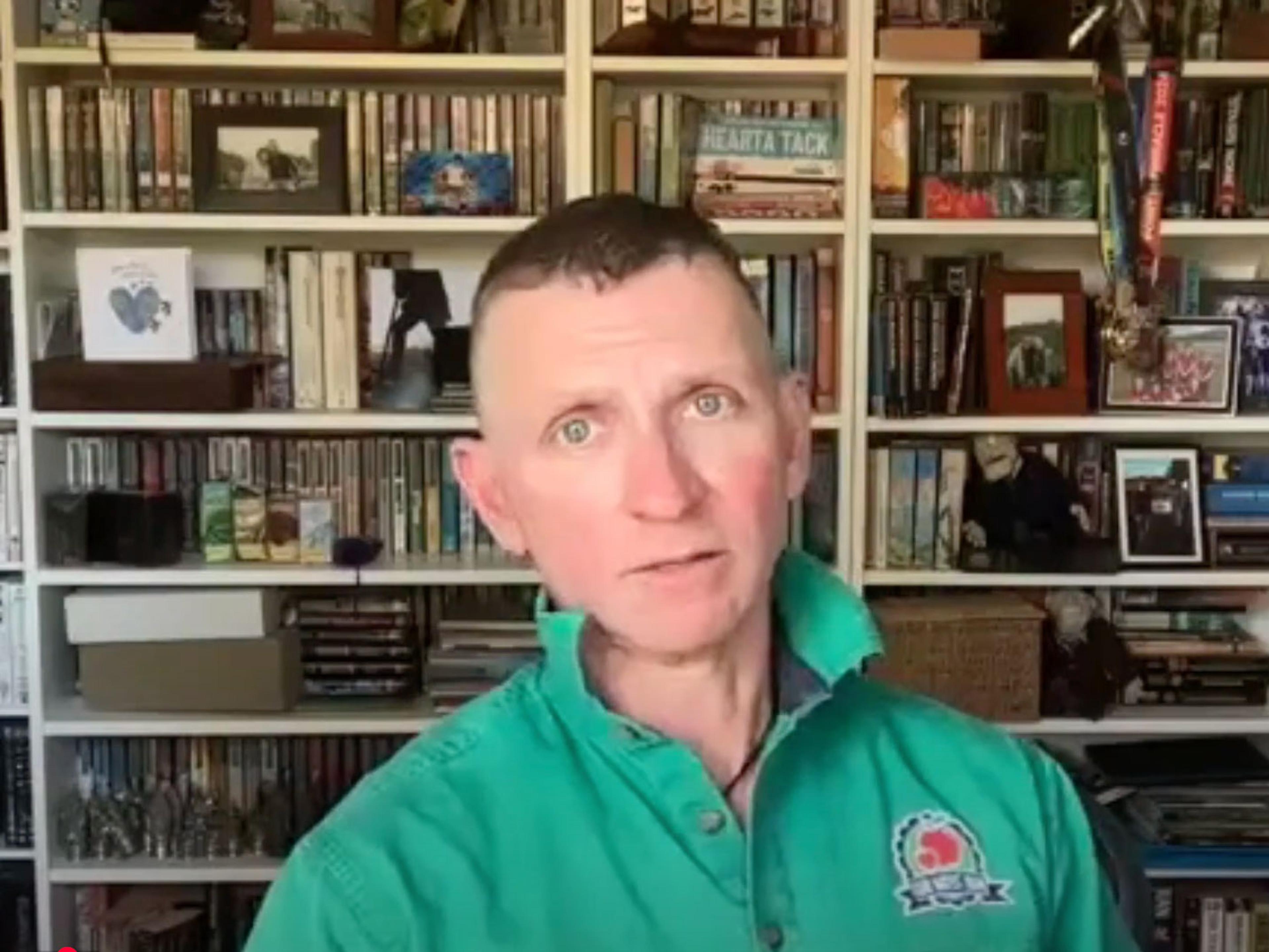
- Matthew Tack – Southern Tasmanian Association of Meat Producers (STAMP) (TAS)
These speakers shared their experiences navigating funding, governance, site selection, and government relations as they work to establish micro and mobile abattoirs owned and managed by farming communities. Some of the core themes included:
Governance
- Secure tenure is essential—enshrining ownership and decision-making power within the governance structure strengthens long-term viability.
- Retaining control over the construction process ensures that the facility meets community needs, rather than outside stakeholder expectations.
Funding
- Grants can be valuable, but beware of restrictive conditions—farmer-led models require flexibility, autonomy, and manageable financial risk.
- Sustainable funding strategies should prioritise avoiding debt that’s difficult to service over time.
Advocacy
- Petitions are an effective entry point for engaging state governments and securing meetings.
- AFSA’s network continues to be a vital resource for farmers wanting to connect, organise, and share resources. Their Meat Collective Starter Pack is available to members and includes detailed plans and guidance.
Site Selection: What to Consider
- Access to potable water and power is non-negotiable.
- Understand the zoning requirements—Rural Zone land in NSW, for example, is considered suitable.
- Assess flood risk early in the process.
- Consider the location's proximity to neighbours, factoring in visual and environmental impact—legal precedents and smart design (e.g., landscaping) can help secure approvals.
Resources
- WA Government Voucher Program – Supporting small-scale livestock producers
- NZ Resource – Risk management for micro-abattoirs
- Apply to be featured on the Sustainable Table Map
- Join AFSA to get access to their Meat Collective Starter Pack
- Read the FAQs
- Mental Health Support – If you need support, Lifeline is available 24/7 and 13YARN is available 24/7 for First Nations people.
If you would like to get in touch with any of the speakers, please contact hello@sustainabletable.org.au.