





Break it Down
What is regeneration?
In the words of Paul Hawken regeneration, “...means putting life at the centre of every action and decision... and it applies equally to families, communities, cities, schools, religions, cultures, commerce and governments.”
Regeneration is balancing the needs of ecosystems and communities and living in harmony with the natural world.
At this moment in time, much of our food is grown and produced in ways that harm people and the planet, contributing to the climate crisis and many other social and ecological issues.
Together, we can take action to regenerate food and farming in Australia and contribute to a thriving future for all.
Sustainable Table Guides
For curious citizens – curated guides to help you regenerate our world
Learn more about regenerative agriculture and how you can be a part of the regeneration.


Why We Choose Regeneration
Regeneration means many things to many people. Here's what it means to us...
The Regen Journal
Sharing the stories of regenerative change makers across Australia
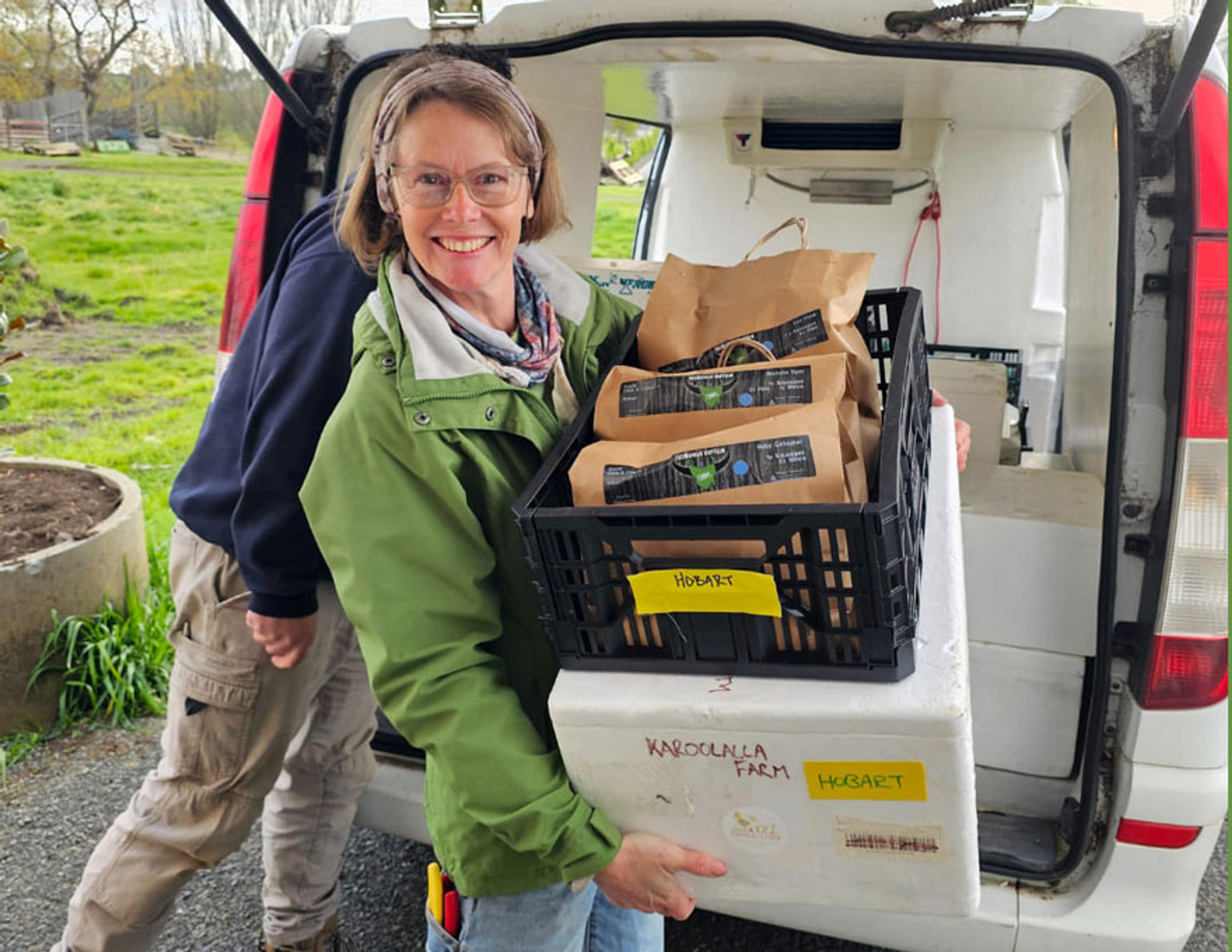
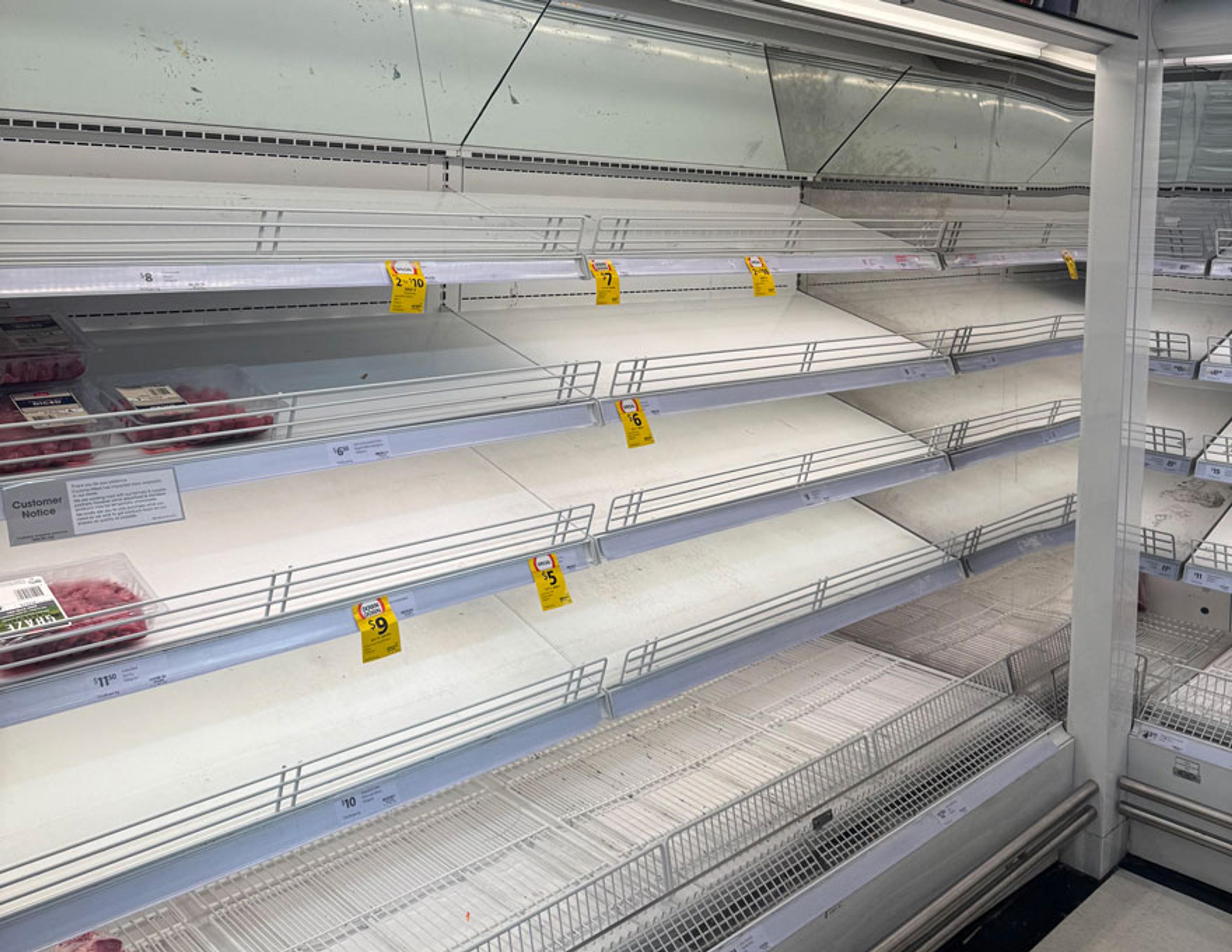
Why Local, Regenerative Food Systems Are the Future
Our food system is at a crossroads. Discover how regenerative agriculture and shorter supply chains can build climate resilience, reduce waste, and support local farmers.
Our food system is at a crossroads. Discover how regenerative agriculture and shorter supply chains can build climate resilience, reduce waste, and support local farmers.
Read